Table of Contents
What Does Commercial Beer Line Cleaning Equipment Include?
Which Beer Line Cleaning Equipment Tier Fits Your System?
How Does Recirculation Compare to Static Cleaning?
What Else Belongs in a Professional Equipment Setup?
What Are the Safety Considerations for Cleaning Equipment and Chemicals?
What Affects the Cost of Beer Line Cleaning Equipment and Service?
Beer Line Cleaning Equipment Needs for Putnam County Bars and Restaurants
Beer line cleaning equipment determines how much of a draft line’s interior actually gets cleaned. A hand pump and a bottle of cleaner can maintain one short kegerator line. A bar with eight taps, a remote keg room, and a glycol trunk line needs pumps, adapters, and testing supplies built for that layout.
Key Takeaways
- Beer line cleaning equipment falls into three tiers: bottle, pot, recirculation.
- Hand pumps and pots suit short direct-draw lines.
- A beer line cleaning pump recirculates solution across multi-tap systems.
- Faucets, couplers, and FOBs need brushes, not just flushing.
- Rinse verification and written logs prove the clean worked.
What Does Commercial Beer Line Cleaning Equipment Include?
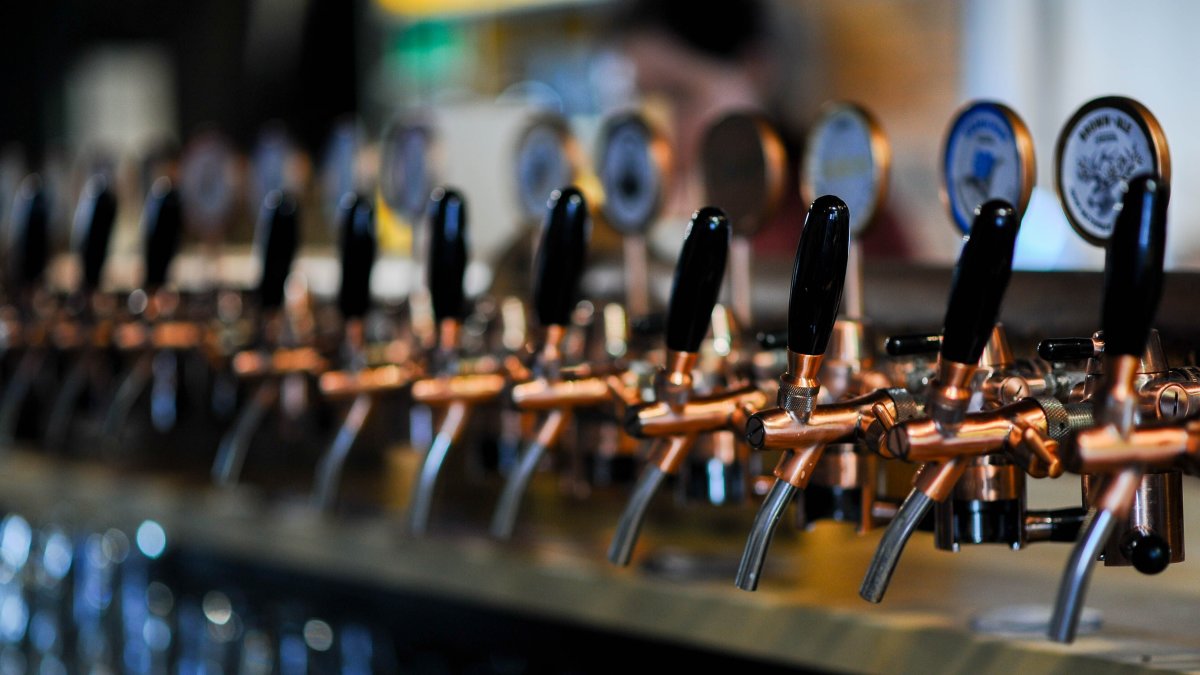
Commercial beer line cleaning equipment is the full set of tools used to move cleaning solution through a draft system, verify the rinse, and protect the person doing the work. A line cleaning kit for a home kegerator covers a fraction of that list. Understanding how different draft beer system components interact helps identify the right tools for thorough cleaning.
A complete setup includes:
- A pressure source or pump: Hand pump, system gas pressure, or electric recirculation pump
- A cleaning pot or cleaning keg: Holds solution and rinse water
- Adapters, jumper lines, and return hoses: Connect different couplers, faucets, and line runs into one loop
- Brushes and soak containers: Reach the tight interiors of faucets, couplers, and FOB devices
- Measuring and testing supplies: Support accurate dosing and rinse checks
- Protective gear: Gloves, eye protection, and labeled containers
Biofilm is the reason this list matters. The Brewers Association notes that biofilm development can begin as soon as beer flows through a newly installed draft system, making regular line cleaning essential even for newer equipment. Equipment has to remove it on a schedule, not once.
Which Beer Line Cleaning Equipment Tier Fits Your System?
The right tier depends on tap count, line length, and how often beers change. Direct-draw systems with one or two lines can run on simpler gear. Multi-tap bars, long-draw systems, and glycol-cooled runs need recirculation.
|
Tier |
Equipment |
Best Fit |
Main Limit |
|
1 |
Hand pump or pressurized bottle |
Single-tap kegerators, short direct-draw lines |
One line at a time, little mechanical action |
|
2 |
Cleaning pot or cleaning keg |
Small to mid-size systems, tap changes mid-service |
Static soak, results depend on contact time |
|
3 |
Recirculation pump (beer line cleaning machine) |
Multi-tap bars, taprooms, long-draw systems |
Higher setup effort and equipment investment |
Tier 1: Hand Pump or Pressurized Bottle
A hand pump pushes solution through one line at a time. It works for single-tap setups where the faucet comes off easily and the line is short.
Commercial operators with one or two direct-draw taps sometimes start here. For single-tap setups, home kegerator owners can follow a step-by-step beer line cleaning kit guide. Once a system adds taps or distance, manual pumping becomes slow and inconsistent. Temperature issues or foam may signal kegerator cooling and pouring problems that need extra troubleshooting.
Tier 2: Cleaning Pot or Cleaning Keg
A cleaning pot or cleaning keg holds solution and uses gas pressure from the system to push it through the line. It gives more control than a bottle and handles larger direct-draw runs.
Pots earn a permanent place in a professional kit for one reason. Setting up a recirculation pump in the middle of service, just to tap a new beer, is not practical. A pot lets a technician or trained bartender clean a single line before the new beer goes on.
Tier 3: Recirculation Pump (Beer Line Cleaning Machine)
A beer line cleaning pump is an electric pump that moves solution through several lines connected in a loop, with a return line back to the pot. Many people call the complete unit a beer line cleaning machine.
Continuous flow adds mechanical action that a static soak lacks. Recirculation is the stronger method. However, added cost and system design make it impractical in some situations. For multi-tap bars, it is the standard approach, and it is the equipment gap most often separating a thorough clean from a surface flush.
How Does Recirculation Compare to Static Cleaning?
Recirculation moves fresh solution across the full interior of each line, while static cleaning relies on soak time alone. That difference matters most on longer runs and multi-tap systems, where buildup sits farther from the faucet.
Equipment does not replace technique. The Brewers Association recommends caustic cleaner, generally in a 2 percent solution, every two weeks. Hitting that concentration takes measured dosing, not eyeballing a splash from a jug. Under-dosing leaves buildup behind, and over-dosing can damage seals and gaskets.
Mineral deposits need a different chemistry. Rotate an acid cycle into the schedule each quarter to address beer stone. Never mix acid and caustic products.
What Else Belongs in a Professional Equipment Setup?
A professional setup adds the pieces that surround the pump: adapters, component brushes, rinse testing, and a way to document the visit. Without them, part of the system gets cleaned incompletely or not at all.
Adapters and Jumper Lines
Different systems use different couplers, faucet connections, and line sizes. A full adapter set lets a technician link every line into one loop without leaks. Spare fittings keep one worn connector from canceling a visit.
Component Brushes and Soak Containers
Faucets, couplers, and FOB devices trap residue in narrow chambers that a flush cannot fully reach. Disassembly, scrubbing, and sanitizing are separate steps from line cleaning, and they need the right brushes and containers. Brushes should be sanitized between lines to prevent cross-contamination.
Rinse Testing
After the final rinse, a technician tests the water at the faucet to confirm that no cleaner remains. This verification step keeps chemical residue out of the first pour.
Service Records
A written log showing the date, lines cleaned, and components serviced helps managers catch skipped cleanings. It also gives distributors and the relevant health authority a clear history if questions come up.
What Are the Safety Considerations for Cleaning Equipment and Chemicals?
Cleaning equipment is only as safe as the chemistry running through it. Caustic and acid cleaners can injure skin and eyes, so protective gear, correct dosing, and training are part of the equipment list.
Workers cleaning draught lines need proper training along with engineering controls, administrative controls, and personal protective equipment. Cleaner labels and safety data sheets spell out handling, storage, and first-aid steps for each product.
Businesses that store and handle cleaning chemicals on site also carry workplace chemical safety responsibilities. Requirements vary by operation, so confirm them with the cleaner manufacturer, a qualified safety professional, or the relevant authority. Many operators hand full line service to a professional draft system cleaning team for this reason.
What Affects the Cost of Beer Line Cleaning Equipment and Service?
Costs vary widely, so expect an estimate rather than a fixed number. A basic hand-pump kit sits at the low end, a recirculation pump setup costs more, and professional service is quoted per system.
Common factors that move an estimate:
|
Factor |
Why It Matters |
|
Tap and line count |
More lines mean more setup, flushing, and labor |
|
System type and length |
Long-draw and glycol-cooled runs take more time |
|
Component count |
Each faucet, coupler, and FOB needs detail cleaning |
|
Accessibility |
Tight keg rooms and hard-to-reach towers add labor |
|
Line condition |
Heavy buildup or worn parts may need extra steps |
|
Frequency and urgency |
Recurring service is planned differently than short-notice visits |
Final costs depend on layout, tap count, and service history, making a system review the best way to get an accurate quote. For new setups or expansions, draft beer line installation planning in Putnam County helps outline equipment, routing, cooling, and access needs in advance.
Beer Line Cleaning Equipment Needs for Putnam County Bars and Restaurants
Putnam County venues range from compact direct-draw bars in Brewster, Carmel, and Mahopac to larger operations with a remote keg room and long runs to the taps. A venue with both a direct-draw bar and a keg room needs more than one tier of equipment, because each section of the system cleans differently. Adding draft system maintenance to an opening a bar checklist ensures equipment, access, and responsibilities are handled before opening.
Once the equipment checks out, the next question is who runs it. Choosing the best beer line cleaning service in Putnam County comes down to process, documentation, and response time.
Frequently Asked Questions
Can one beer line cleaning machine handle wine, kombucha, or cold brew lines?
Some machines can clean other beverage lines, but compatibility depends on the tubing materials, internal seals, and specific chemical cleaners required for each drink. Always check manufacturer guidelines and thoroughly flush lines to prevent cross-contamination between different beverages.
How often should beer line cleaning pump seals and adapters be replaced?
There is no set replacement schedule. Inspect seals, O-rings, and adapters before every cleaning cycle and replace them immediately if they show cracks, swelling, stiffness, or leaks. Regular replacement prevents chemical leaks and maintains steady pumping pressure.
Can commercial beer line cleaning equipment be used without disconnecting the kegs?
Kegs must always be disconnected or completely isolated from the cleaning loop to prevent chemical contamination. Technicians use dedicated jumpers and adapters to connect draft lines together and safely circulate cleaning solution through the entire system.
What should be done with leftover beer line cleaning solution after a service visit?
Follow the product label, safety data sheet, and local municipal regulations for safe chemical disposal. Neutralize solutions when required, and never mix acid and caustic cleaners together. Professional service providers will manage and dispose of waste solutions safely.
How much beer is lost during a recirculation cleaning?
Beer loss depends on total line length, internal tubing diameter, and system layout. Longer trunk lines hold more volume, but using foam-on-beer (FOB) detectors and proper line-clearing procedures before cleaning helps minimize wasted draft beer.
Get Your Draft Lines Cleaned With the Right Equipment
Beer Line Cleaning USA offers commercial draft system cleaning, repair, maintenance, installation, rentals, and consulting in NY, NJ, and CT. Our team uses professional recirculation pumps, diagnostic tools, and safety gear to keep your taps delivering fresh beer. When evaluating partners, learn how to choose a draft system provider in Putnam County to assess equipment expertise, capabilities, and ongoing support.
Not sure what is running through your lines? Request an inspection today.