Table of Contents
Key Takeaways
- A glycol beer system keeps beer cold along long runs.
- Runs beyond roughly 25 feet usually call for glycol.
- Level, concentration, and condenser checks keep the chiller reliable.
- Glycol beer system cost depends on distance, tap count, and site conditions.
- Planning the layout before construction avoids costly rework.
A glycol beer system solves one problem: keeping beer cold when the keg cooler sits far from the taps. Every foot of line outside the cooler gives beer a chance to warm, and warm beer foams. The result is wasted product, slower service, and pints that fall short of what guests expect.
If your keg room is across the building from the bar, or you are planning a build with a long run between the cooler and taps, glycol cooling may be the answer.
Knowing how the chiller loop works, when a system is worth the investment, and what shapes a glycol beer system cost estimate puts you in a better position to ask the right questions before anyone breaks ground.
How a Glycol Beer System Works
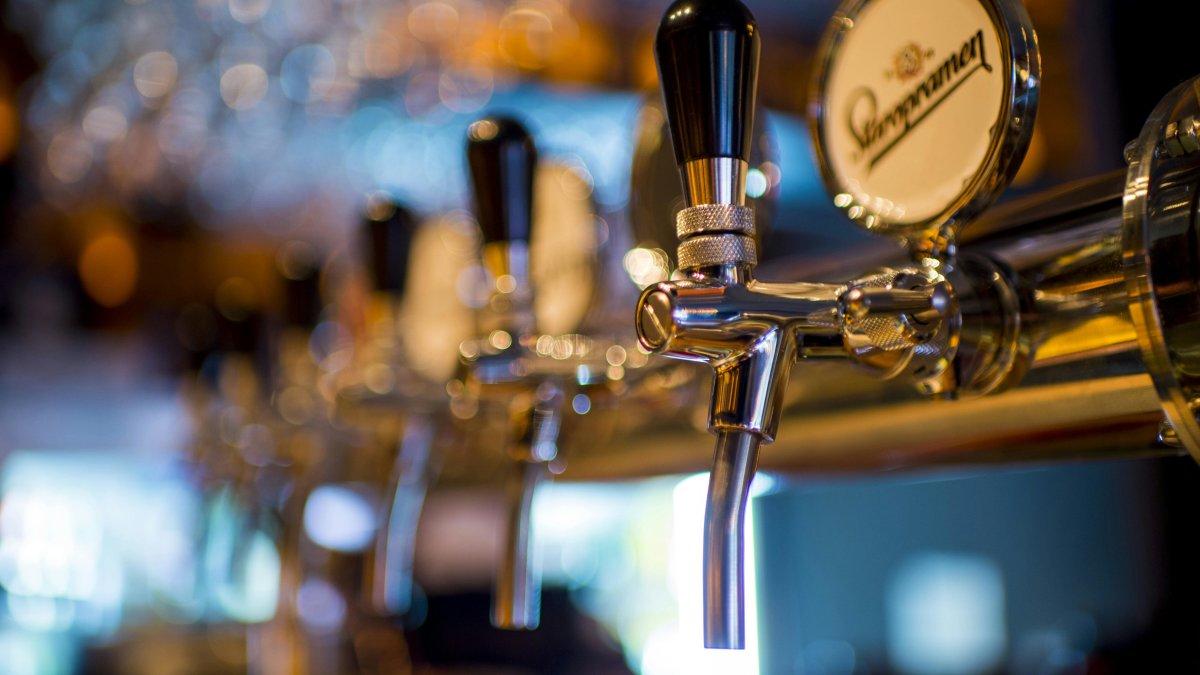
A glycol beer system is a long-draw setup that circulates a chilled mix of food-grade glycol and water alongside the beer lines, so beer stays cold between the keg cooler and the faucet. The Brewers Association’s Draught Beer Quality Manual sets the target at 34°F to 38°F from keg to glass, and it warns that any temperature rise between the cooler and the faucet can cause foaming.
Short runs handle this with cold air. In a direct-draw setup, such as a commercial kegerator, the kegs sit close to the tap, so the cooler’s air does the work. Once beer has to travel through a wall, down a hallway, or up a floor, air alone stops keeping pace. That is the gap glycol fills.
The Glycol Loop, Step by Step
A glycol beer chiller, often called a power pack, is a small refrigeration unit built around a glycol reservoir. Glycol resists freezing, so the mix can run colder than plain water. The loop works like this:
- Chill: The power pack cools the glycol mix in its reservoir.
- Circulate: A pump sends the cold mix out through supply lines.
- Travel: The glycol runs beside the beer lines inside an insulated trunk line.
- Rise: The cold mix continues into the tower so the shanks and faucets stay cool.
- Return: Warmed glycol flows back to the power pack to be chilled again.
The trunk line is the part that makes the system work. According to the same manual, suppliers typically sell long-draw barrier tubing as a bundle, with beer lines and glycol lines wrapped in an insulating cover. The glycol absorbs heat leaking in from the room, so the beer stays close to a cooler temperature all the way to the glass.
What’s Inside a Glycol Chiller for Beer Lines
A glycol chiller for beer lines is only one of several draft beer system components, and each part has to be sized to match the others:
- Power pack: The power pack is the chiller itself, and its evaporator sits submerged in the glycol reservoir. Like any refrigeration equipment, it needs preventive maintenance.
- Glycol lines: Color-coded polyethylene tubing carries glycol to and from the power pack. The Brewers Association manual lists this as the only recommended use for polyethylene in a long-draw system.
- Trunk line: Barrier tubing for the beer, glycol lines, and insulation in one housing. The manual calls barrier tubing the only industry-approved beer line for long-draw systems.
- Tower and shanks: Insulated hardware where the beer leaves the trunk and reaches the faucet.
- Gas blender: Long runs need more pressure than pure CO₂ can supply without over-carbonating the beer, so these systems commonly use a CO₂ and nitrogen blend.
- Beer pumps: Very long runs (the manual cites more than 200 feet) or tall vertical lifts can push gas pressure too high, and pumps take over from there.
On the coolant itself, ask for food-grade propylene glycol. The FDA classifies it as generally recognized as safe for use in food, which is why it is the standard choice where a leak could touch a beverage. Automotive antifreeze and industrial-grade mixes have no place in a beverage system.
When You Need a Glycol Beer System
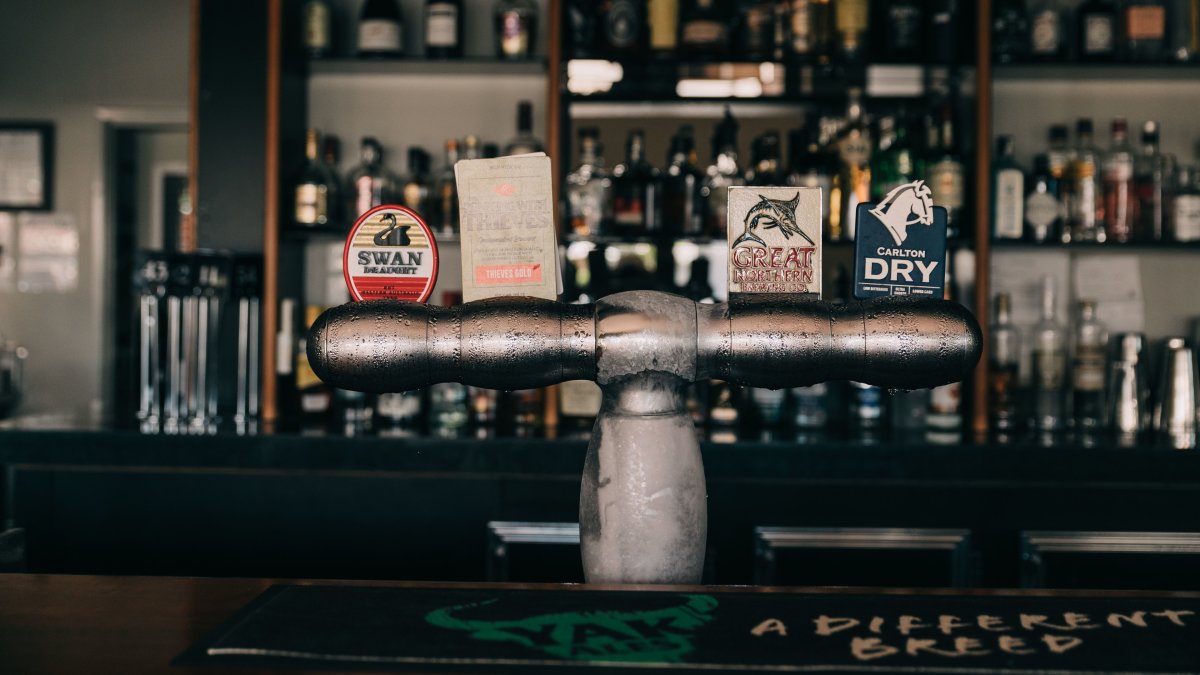
There is no single legal cutoff, but a few situations point toward a glycol beer system quickly. If your setup matches any of the triggers below, it is worth having a technician review your layout.
When the Keg Room Sits More Than 25 Feet From the Taps
In our installs, the conversation usually shifts to glycol once the distance from keg to faucet passes about 25 feet. A cooler in a basement, back hallway, or separate floor from the bar is the classic setup. The Brewers Association manual notes that long distances can increase costs for equipment, cooling, and beer waste, which adds up fast given how much a keg of beer costs, so the layout deserves real thought.
When a Shorter Run Can Stay Air-Cooled
Some shorter long-draw runs can use forced-air cooling instead. It generally costs less but swings more with room conditions, so a technician should confirm where that tradeoff stops making sense for your space.
When Tap Counts and Towers Multiply
Ten or more faucets, or multiple towers, mean more lines exposed to room heat. A glycol beer chiller keeps every line in the trunk cold along the run, which matters more with each tap you add.
When One Cooler Feeds Several Service Areas
A main bar, a patio, and a banquet room fed from one cooler each add distance and heat exposure. Glycol cooling helps hold temperature across all of those runs.
When Pours Foam During the First Hot Week of Summer
Pours behave in winter, then struggle once the weather turns in Putnam County. The manual notes that many draught problems surface on the first hot day of the season because of missed preventive maintenance. A failing chiller and a design limit can look alike, so a technician should tell them apart.
When You Are Designing a Feature Tap Wall
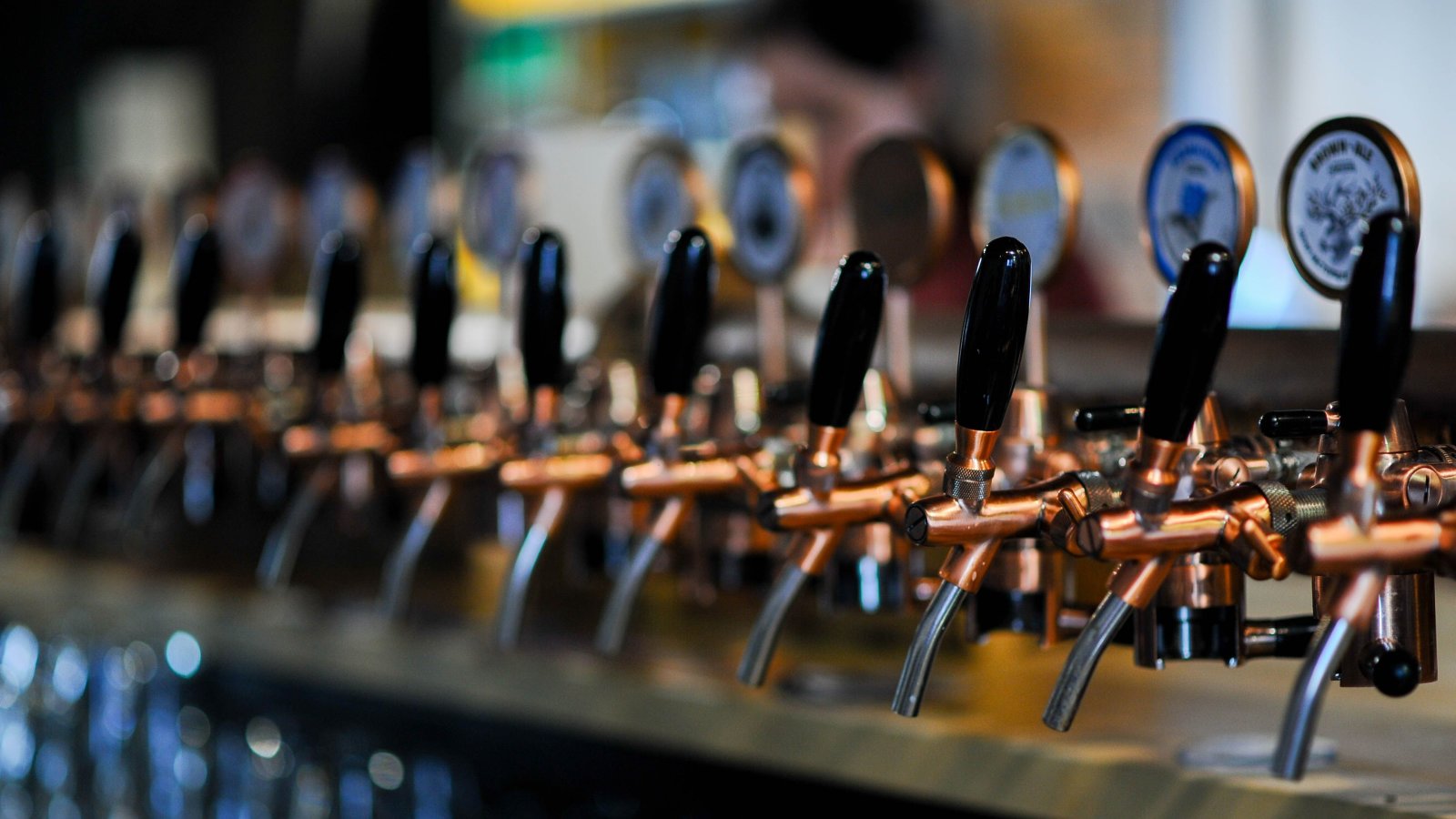
Taprooms often build the wall as a showpiece, and because the faucets rarely sit near the cooler, the tap wall design has to account for cooling from day one.
When the Walls Are Still Open
Trunk lines are difficult and expensive to replace once walls close. Settle run length, tower position, and keg room placement during draft beer line installation planning for your venue, well before the walls go up and changes get costly.
When Wine, Cold Brew, or Kombucha Are on Tap
If you pour wine, cold brew, or kombucha over a long run, the same temperature logic applies. Each beverage still needs its own line, gas, and pressure review, along with keg coupler types that suit each keg format.
Glycol vs. Direct-Draw: Which Fits Your Bar?
|
Factor |
Direct-Draw |
Glycol Long-Draw |
|
Cooling |
Cold air from the cooler |
Chilled glycol beside the beer lines |
|
Layout |
Kegs close to the taps |
Keg room remote from the bar |
|
Dispense gas |
Usually pure CO₂. |
Often a CO₂. and nitrogen blend |
|
Upkeep |
Cooler and line cleaning |
Cooler, line cleaning, and glycol care |
|
Best fit |
Small bars, kegerators, walk-ins behind the bar |
High-volume bars, multi-tap venues, remote keg rooms |
Direct-draw wins on simplicity. If your kegs sit right behind the bar and foam is the only complaint, a glycol upgrade is rarely the answer. Warm or foamy pours from a compact unit usually trace back to temperature, pressure, or hardware, so kegerator repair that targets cooling and pouring problems is a faster first move than a rebuild. Glycol earns its place when distance, not a worn part, is the cause.
Glycol Beer System Cost: What Shapes Your Estimate
Glycol beer system cost varies widely, and a reliable number only comes after someone sees your space. As a directional guide, a compact glycol setup serving a handful of taps may land at the lower end of the range, while a multi-tower build with a long trunk run can climb toward the high end. Treat that spread as context, not a quote.
What moves your estimate:
- Run length: Longer trunks add material, labor, and chiller capacity.
- Tap count: More beer lines mean a larger trunk and a bigger power pack.
- Site conditions: Wall, ceiling, and floor access can change labor time.
- Equipment choices: Chiller size, tower style, gas blender, and pumps all play a part.
- Urgency and schedule: Build timelines and rush installs affect the final scope.
- Ongoing care: Glycol checks, power pack service, and line cleaning continue after install.
Quotes also differ because providers scope work differently, so it pays to choose a draft system provider on scope clarity and service history rather than the lowest number. A system that is built and maintained well tends to waste less beer over time, which belongs in any cost comparison.
Frequently Asked Questions
Can a glycol chiller for beer lines be added to an existing draft system?
Often, yes, but it depends on your keg room, line routing, and cooler setup. Retrofits usually involve running a new trunk line, so a technician should review your space before recommending an approach.
How long does glycol beer system installation take?
Timelines vary with run length, tap count, site access, and equipment lead times. A site review makes it possible to outline a realistic schedule and plan the work around your busiest service periods. For a new venue, build the installation window into a checklist for opening a bar.
Do I need a permit for a glycol beer system in Putnam County?
Requirements vary by town and scope of work, and a project may involve building, electrical, or refrigeration approvals. Check with your local building department and health authority before work begins, and ask your installer to help you plan around them.
How often does a glycol beer system need service?
The right schedule depends on the manufacturer’s guidance, system size, and how heavily you pour. Routine checks on the chiller and glycol mix, paired with regular line cleaning and the right beer line cleaning equipment, help keep pours consistent and catch small problems early.
What should I do if my glycol chiller stops working?
Contact a draft system technician as soon as possible. A chiller that is down can let beer warm and foam in the lines, so quick service helps limit waste across venues in Putnam County and the wider New York, New Jersey, and Connecticut region.
Plan Your Glycol Beer System With a Draft Specialist
A glycol beer system performs best when the layout, chiller, trunk line, and gas setup are designed together and then maintained on a schedule. Beer Line Cleaning USA brings 3,000+ installations to that work, from first layout through draft system installation and ongoing glycol and line service for bars, restaurants, breweries, and venues across Putnam County, Westchester, NYC, New Jersey, and Connecticut.
Foaming pours, a warm tower, or a build plan with a long run? Talk to our team before the walls close.