What’s in This Guide
A keg coupler is the small stainless fitting that decides whether a keg pours or sits unused in the cooler. It sits on the keg valve, sends gas in, and sends beer out, so the wrong match means no connection at all. Keg tap types are not universal.
Valve systems commonly labeled D, S, A, M, G, and U each call for their own coupler, and a bar pouring a domestic lager, a German wheat beer, and an Irish stout in the same week can run into several of them.
Matching the system correctly takes a few seconds and protects pour quality, keg yield, and equipment for every shift that follows.
Key Takeaways
- Each keg valve system requires its own keg coupler.
- Sanke D covers most U.S. domestic and craft kegs.
- S, A, M, G, and U systems serve imports and stouts.
- Brand listings vary, so confirm with the distributor.
- Clean, stainless couplers protect flavor and reduce foam.
What Is a Keg Coupler in a Draft System?
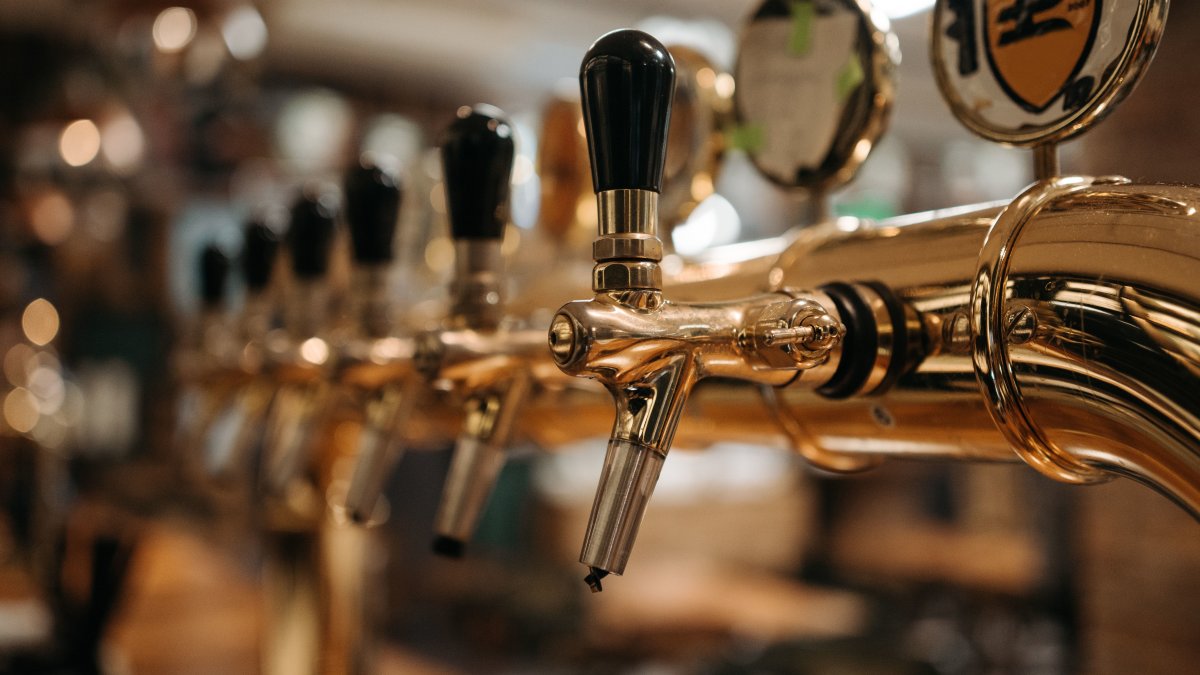
A keg coupler, sometimes called a keg tap, is the connector that attaches to the keg valve and joins the gas line to the beer line. The Brewers Association’s Draught Beer Quality Manual treats “coupler” as the standard industry term, even though bar crews use plenty of casual names for it.
Probe and Keg Valve Connection
When a coupler seats on the keg, its probe presses down a ball (poppet) inside the keg valve. That opens a path for CO₂ or blended gas to enter the keg and push beer up the spear toward the faucet. The probe shape and locking style are what separate one system from another.
Gas Inlet and Beer Outlet
Gas enters through a side inlet on the coupler. Beer leaves through the outlet on top, where a tail piece, washer, and hex nut connect it to the jumper line. Both paths run through a single fitting, which is why a small leak here can affect the whole line.
Check Valves and Pressure Relief
Couplers contain two one-way valves. One lets gas into the keg while keeping beer from backing up into the gas line and damaging the regulator. The other keeps beer from running out of the coupler when it is removed from the keg. A built-in pressure relief valve opens if gas pressure climbs too high, and the Brewers Association recommends testing that valve manually from time to time to confirm it still works.
Keg Coupler Types Chart by System and Brand
Different beers ship in different keg valves, and each valve needs its own coupler. The chart below pairs each system with the kinds of brands that typically use it.
|
System |
Common Name |
Brand Examples |
Notes |
|
D |
American Sankey |
Budweiser, Miller, Coors, Yuengling, Labatt, Molson, most U.S. craft; Beck’s and Bass imports |
Standard for U.S. bars and kegerators |
|
S |
European Sankey |
Heineken, Amstel, Stella Artois |
Longer, narrower probe than the D system |
|
A |
German Slider |
Paulaner, Spaten, Warsteiner, Hoegaarden |
Slide-on connection, common for German and Belgian kegs |
|
M |
M System (slider style) |
Schneider Weisse, Aventinus, Einbecker |
Less common in U.S. bars, used for some German wheat beers |
|
G |
Grundy |
Carlsberg and Tuborg are often associated with this system |
Triangular opening, uncommon in the U.S. |
|
U |
UEC |
Guinness, Harp, Kilkenny |
Used for Irish and UK nitro stouts |
Brand assignments can shift by keg size, import channel, and region. Equipment suppliers themselves advise asking the company supplying the kegs when a brand is not on their list, and that habit prevents a lot of wasted deliveries.
Which Keg Coupler System Matches Your Kegs?
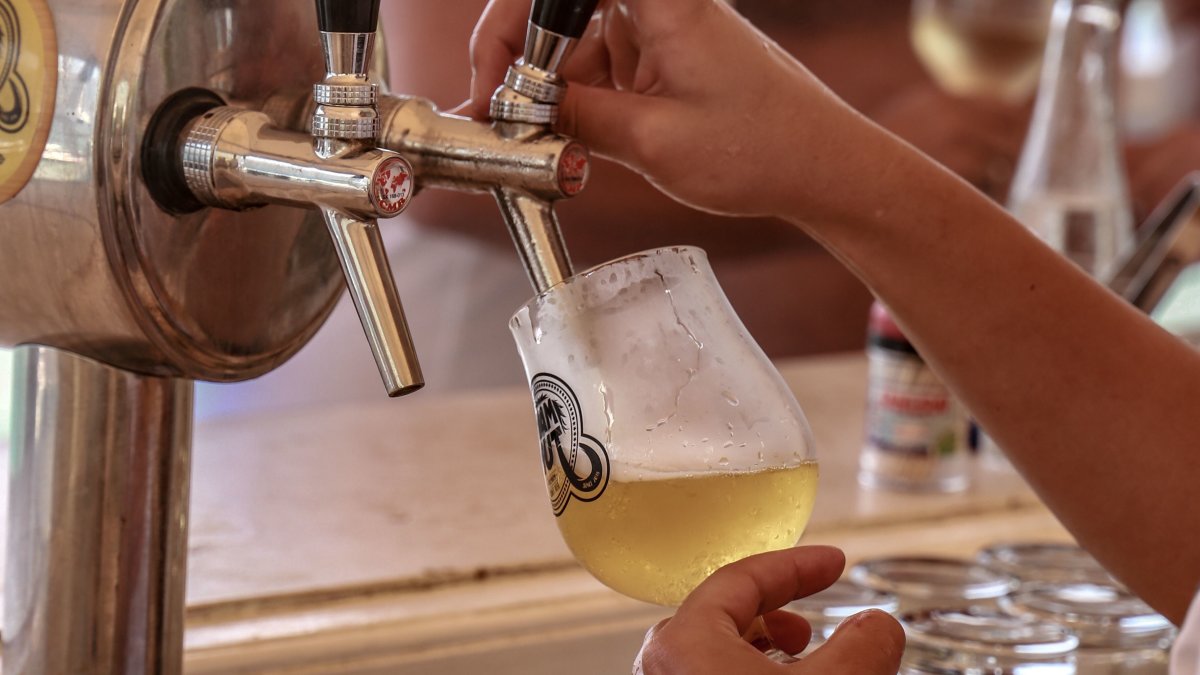
Picking the right coupler comes down to a few checks made before the keg ever reaches the cooler.
Brands on the Tap List
Start with the beers you pour. A tap list built on domestic lagers and local craft will run almost entirely on D system couplers, while an import-heavy list can bring in S, A, M, G, or U kegs. Keeping a record of each brand’s system beside the tap list saves time when a new keg arrives.
Valve Style and Probe Shape
The term Sanke coupler covers both the D and S systems, but they are not interchangeable because the S probe is longer and narrower. Locking styles vary too, from twist-on lugs to slide-on fittings. A kegerator coupler follows the same rule as a commercial one: it has to match the keg valve. The right commercial kegerator should support the coupler systems the kegs require.
Gas Blend and Beer Style
Nitro stouts add one more variable. Guinness-style kegs use the U-system coupler and a nitrogen-rich blend rather than straight CO₂. Premixed blends of roughly 25 to 30 percent CO₂ and 70 to 75 percent nitrogen suit nitro beers only. On regularly carbonated beer, that blend lets carbonation drain away and leads to flat pours within a few days. Pure CO₂ on a nitro beer causes the opposite problem and overcarbonates it.
Thread Size and Beer Line Fittings
In the United States, coupler and hex nut threads follow the Cleveland standard, which is 29/32 inch in diameter with 14 threads per inch. Couplers made elsewhere may use different thread sizes, so imported hardware should be checked for fit and leaks after installation. The draft beer system components, including tail pieces, jumper lines, and wall brackets, should match the coupler’s connection size as well.
Why Keg Coupler Condition Affects Pour Quality
A coupler can fit the keg perfectly and still hurt the pour if it is worn, dirty, or made from the wrong material.
Worn Seals Cause Foam and Gas Leaks
Gas leaks waste CO₂ and can cause pressure drops that lead to foamy beer, as the Brewers Association notes. Seals and O-rings inside the coupler wear down with every keg change. When pours stay unstable after temperature and pressure checks, worn seals are a common culprit, and kegerator repair may be needed to identify problems with the coupler, gas connections, or related equipment.
Brass Exposure Adds Metallic Flavor
Chrome-plated brass couplers work for a while, but cleaning and beer flow eventually expose the brass underneath. Beer that touches brass can pick up a metallic off-taste, which is why the Brewers Association recommends stainless steel parts for beer contact surfaces. Any plated coupler should be inspected regularly and replaced once brass shows.
Residue Builds Inside Coupler Chambers
Beer sits in the tight chambers and around the seals of every coupler. Yeast and sugars collect there and carry into the next pour. Micro Matic suggests cleaning the beer line and fittings between each keg, and beer line cleaning equipment can help crews clean the lines, couplers, faucets, and other draft components as part of routine maintenance.
Mismatched Parts Create Safety Risks
Kegs are pressurized vessels. Forcing a coupler onto a valve it was not designed for can damage the valve, the coupler, or both. The Brewers Association also warns that keg valves should never be removed or serviced in the field, so a stuck or mismatched connection is a reason to stop and call for help rather than apply force.
When to Replace or Upgrade a Keg Coupler
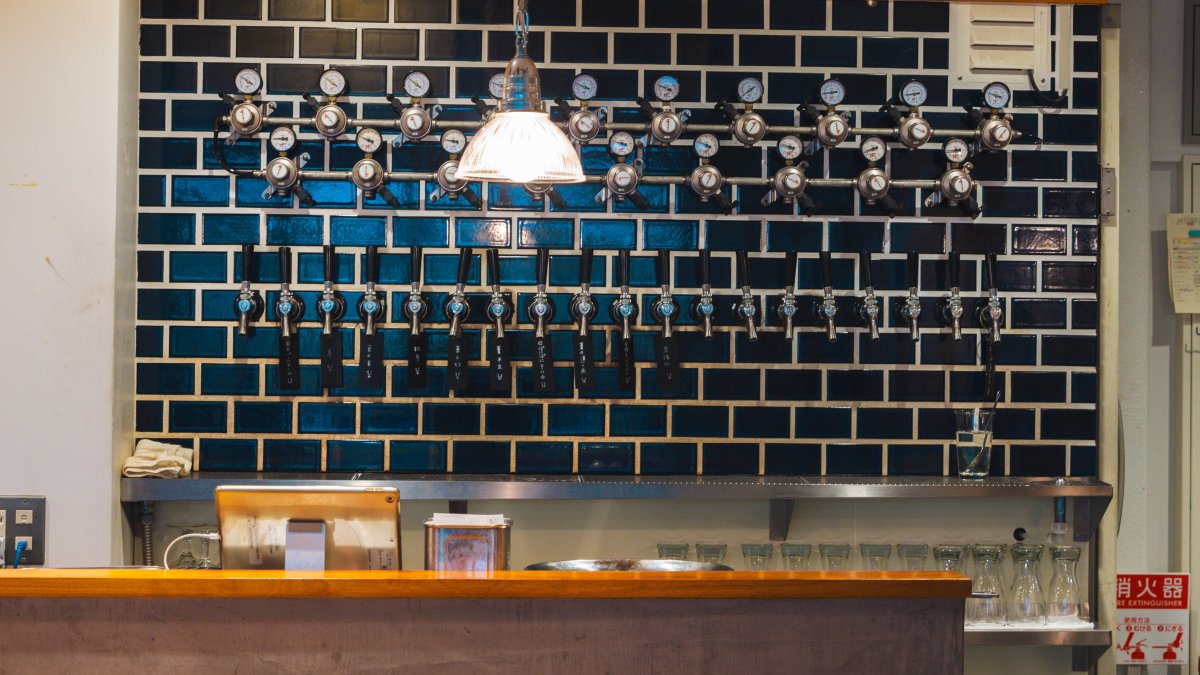
Couplers are small, but they fail quietly. A few situations are worth acting on right away.
Pours Stay Unstable After Settings Check Out
If temperature, pressure, and line condition all look right but foam or slow flow keeps returning, the coupler deserves a closer look. Check valves that stick or seals that leak can mimic other system problems and waste kegs along the way.
Seals, Probes, or Handles Show Visible Wear
Cracked O-rings, bent probes, loose handles, and exposed brass all point to replacement. Catching wear early is cheaper than losing a keg to a connection that fails mid-service.
Menu Changes Add New Valve Types
Adding a German wheat beer, an Irish stout, or a European lager to the tap list usually means adding a new coupler system as well. Ordering the matching coupler before the first keg arrives keeps the new tap from sitting dark. For a new bar or major tap-list expansion, coupler compatibility is one of several equipment details to settle before opening. A practical opening a bar checklist can help keep keg equipment, draft lines, gas connections, and other setup requirements organized.
Frequently Asked Questions
Do single-use kegs like KeyKeg fit standard keg tap types?
Often they do not. One-way formats such as KeyKeg can require their own tapping hardware, so the keg supplier’s tapping instructions should be confirmed before the keg is ordered. Standard keg couplers are built for refillable Sankey-style valves.
Does keg size change which Sanke coupler is needed?
Usually not. The coupler follows the valve system on the keg, not its volume, so a sixtel and a half barrel from the same brewery commonly take the same fitting. Confirming the valve type with the supplier is still the safest check.
Can a kegerator coupler work with a jockey box at events?
Yes. A jockey box uses a standard coupler on the keg, with CO₂ pushing beer through a cold plate or coil. The same system-matching rules apply, and the equipment should be cleaned right after the event.
Is a party pump the same as a keg coupler?
Not quite. A party pump is a coupler with a hand pump built in, and it pushes air into the keg instead of CO₂. That makes it suitable only for short events, since air shortens the life of the beer.
How should a keg coupler be stored between kegs?
Clean and rinse it after removal, then let it dry and keep it somewhere clean and away from dust and grease. Storing it with seals intact helps keep residue from hardening and keeps the coupler ready for the next keg.
Match Every Keg to the Right Coupler
A clean, correctly matched coupler is one of the simplest ways to protect flavor, reduce foam, and keep kegs pouring on schedule. If a tap list keeps growing or pours keep falling short, Beer Line Cleaning USA can inspect your couplers, lines, and gas setup and support draft system installation when the current setup needs to grow with the menu.
We work with bars, restaurants, and breweries across the tri-state area, so reach out whenever you want a second set of eyes on your system.
Related Posts