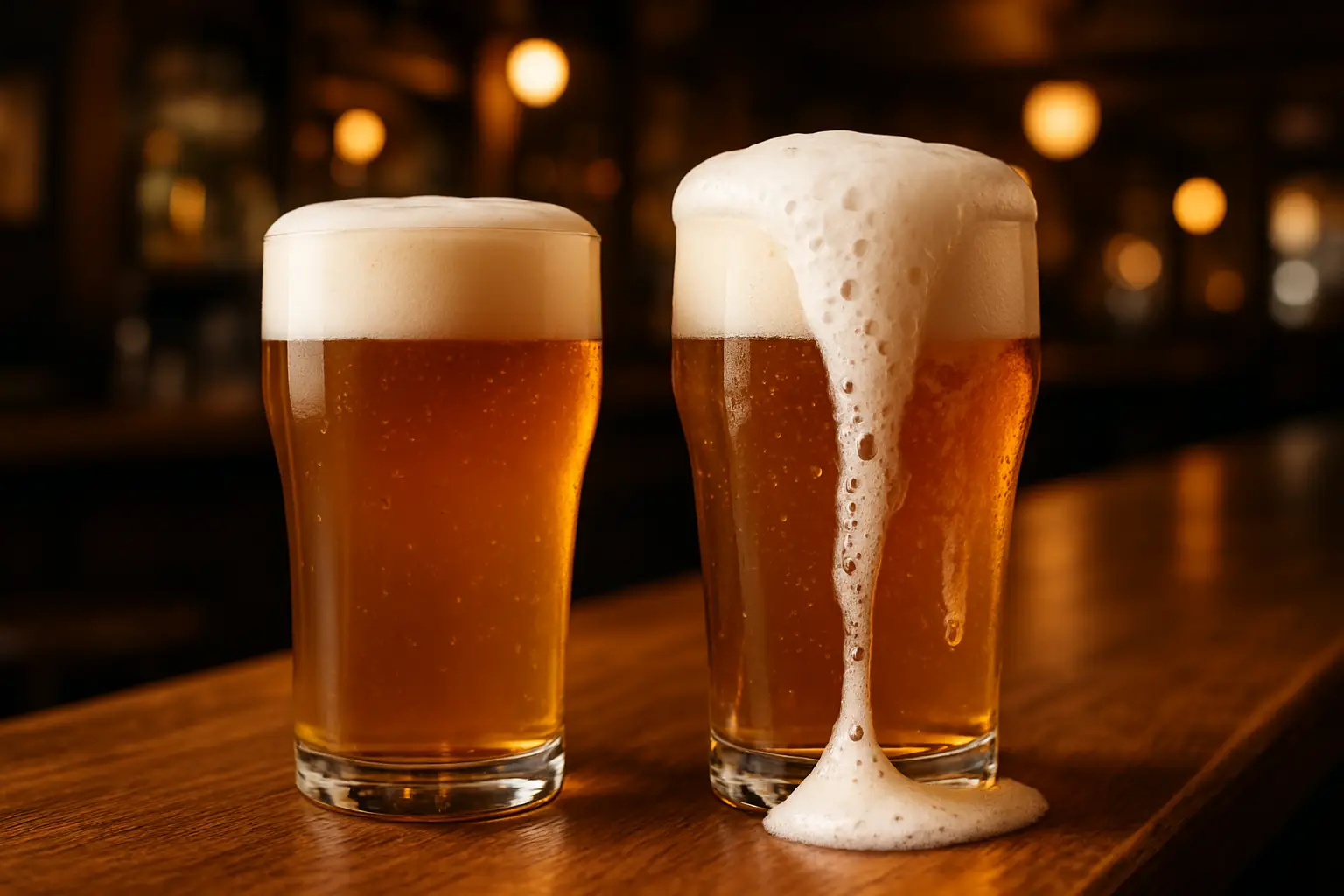
Excessive foam in a draft beer system almost always traces back to one of three root causes: temperature imbalance, incorrect CO2 pressure, or contaminated beer lines. Understanding which factor is at play—and in what combination—is the fastest path to pouring clean, consistent pints. If you’re wondering why is my draft beer foamy, you’re not alone, and the good news is that most solutions are straightforward to implement.
Table of Contents
- What Beer Foam Actually Is
- The Most Common Causes of Why Is My Draft Beer Foamy
- How Dirty Lines Make the Problem Worse
- Things to Know
- Diagnosing Your Foamy Draft Beer System Step by Step
- What Excessive Foam Costs You
Key Takeaways
- Temperature and CO2 pressure are the two most frequent drivers of foamy draft beer.
- Contaminated or infrequently cleaned beer lines accelerate foaming and affect flavor.
- A seven-year ETH Zurich study published in Physics of Fluids (November 2025) confirmed that warmer temperatures and higher pressures significantly increase foam volume.
- Draft beer represents 52.3% of total beer sales by volume, according to CGA by NIQ’s 2025 Channel Strategy Study, making pour quality a direct revenue issue.
- Regular professional cleaning and proper system calibration are the most reliable long-term fixes.
- Small adjustments, done in the right sequence, can resolve most foaming issues without replacing equipment.
What Beer Foam Actually Is
Beer foam forms when dissolved CO2 comes out of solution and rises as bubbles through the liquid. Proteins and hop compounds in the beer stabilize these bubbles at the surface. This is why some beer styles naturally hold a head longer than others.
A seven-year study by ETH Zurich, published in Physics of Fluids in November 2025, found striking results. At 15°C and 1.5 bar, the time-averaged foam volume reached 82.9% of the total drink volume. This research illustrates just how dramatically temperature and pressure interact to generate foam. The same research, covered by Science Daily, also found that “Tripel” Belgian ales produced the most stable foam, while lighter “Singel” beers had the least durable head.
A small amount of foam is desirable and even expected. However, using beer line cleaning chemicals to maintain your lines helps ensure that the foam you do get is natural and not amplified by contamination. The problem begins when foam dominates the pour, leaving too little liquid beer in the glass and too much waste in the drip tray.
The Most Common Causes of Why Is My Draft Beer Foamy
When operators ask why is my draft beer foamy, the answer usually lives in one of the following areas.
Temperature Problems and Why Is My Draft Beer Foamy
Beer should travel from the keg to the faucet within a narrow temperature band. Typically, this means 36°F to 38°F. If any part of the system becomes warmer than this range, CO2 breaks out of solution prematurely. This creates foam before the beer even reaches the glass.
A warm tower is a frequently overlooked culprit. Consider that in a busy bar, body heat and ambient temperature rise during service. This warmth directly impacts the tap tower temperature. Moreover, a warm keg cooler also contributes to the problem.
Incorrect CO2 Pressure
CO2 pressure must be balanced against the temperature of the beer and the length and diameter of the serving line. Over-pressurization forces excessive gas into the beer. This gas then escapes violently during the pour—a problem that becomes compounded if your beer line cleaning kit hasn’t been used recently.
Under-pressurization causes flat beer. Additionally, it encourages operators to over-correct by raising pressure, which then swings to the opposite problem. Most direct-draw systems run well between 10 and 14 PSI. However, the correct setting depends on the specific system configuration.
Keg Agitation
A keg that has been recently transported, bumped, or rolled should rest for at least 24 hours before tapping. Physical agitation shakes up dissolved CO2. Pouring from an unsettled keg almost guarantees excessive foam regardless of how well-calibrated the rest of the system is.
Worn or Damaged Equipment
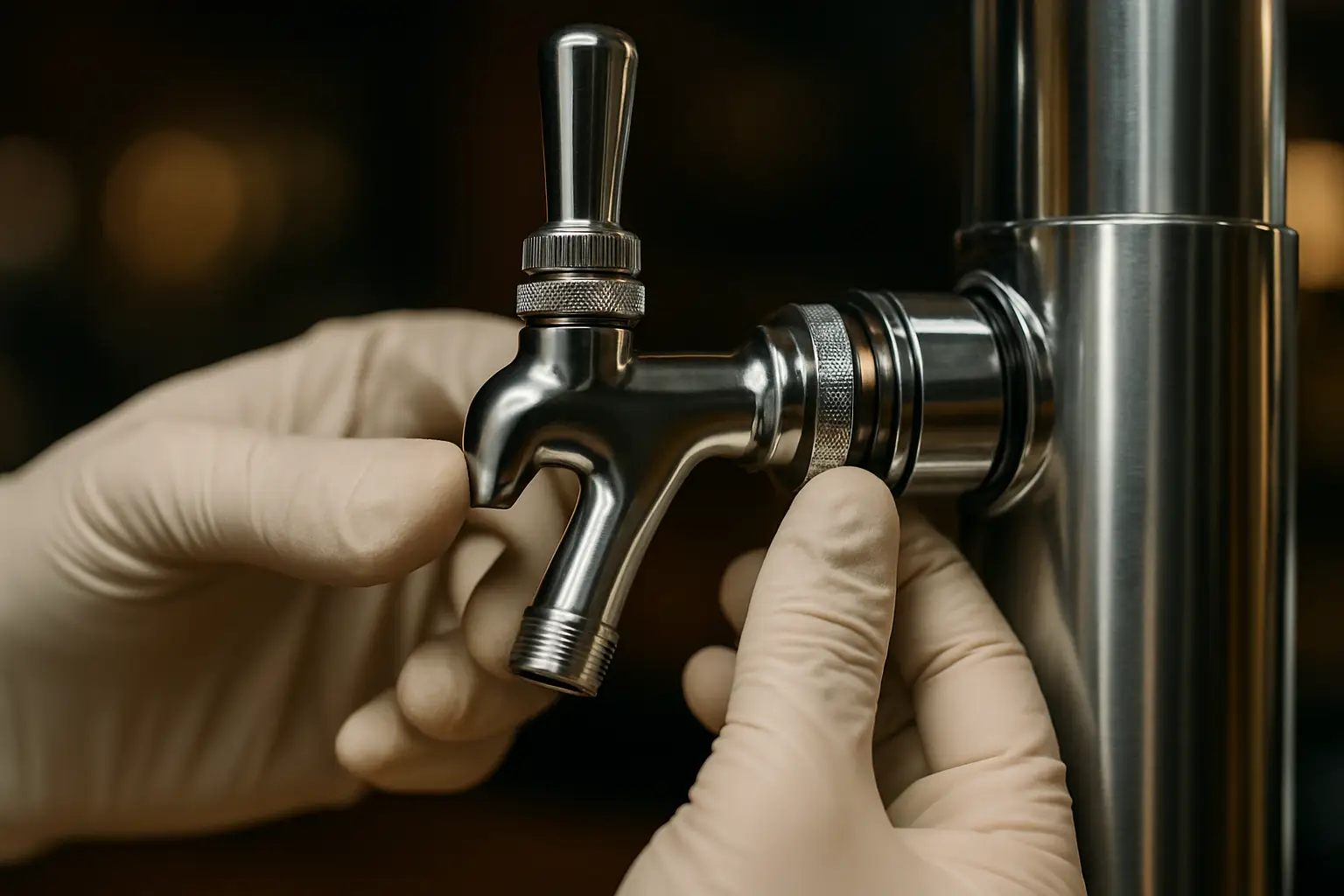
A cracked coupler, worn faucet seat, or damaged shank can introduce warm air into the line. This triggers foaming at the point of service. Inspecting hardware during every keg change takes less than two minutes. In addition, it can catch issues before they waste product.
How Dirty Lines Make the Problem Worse
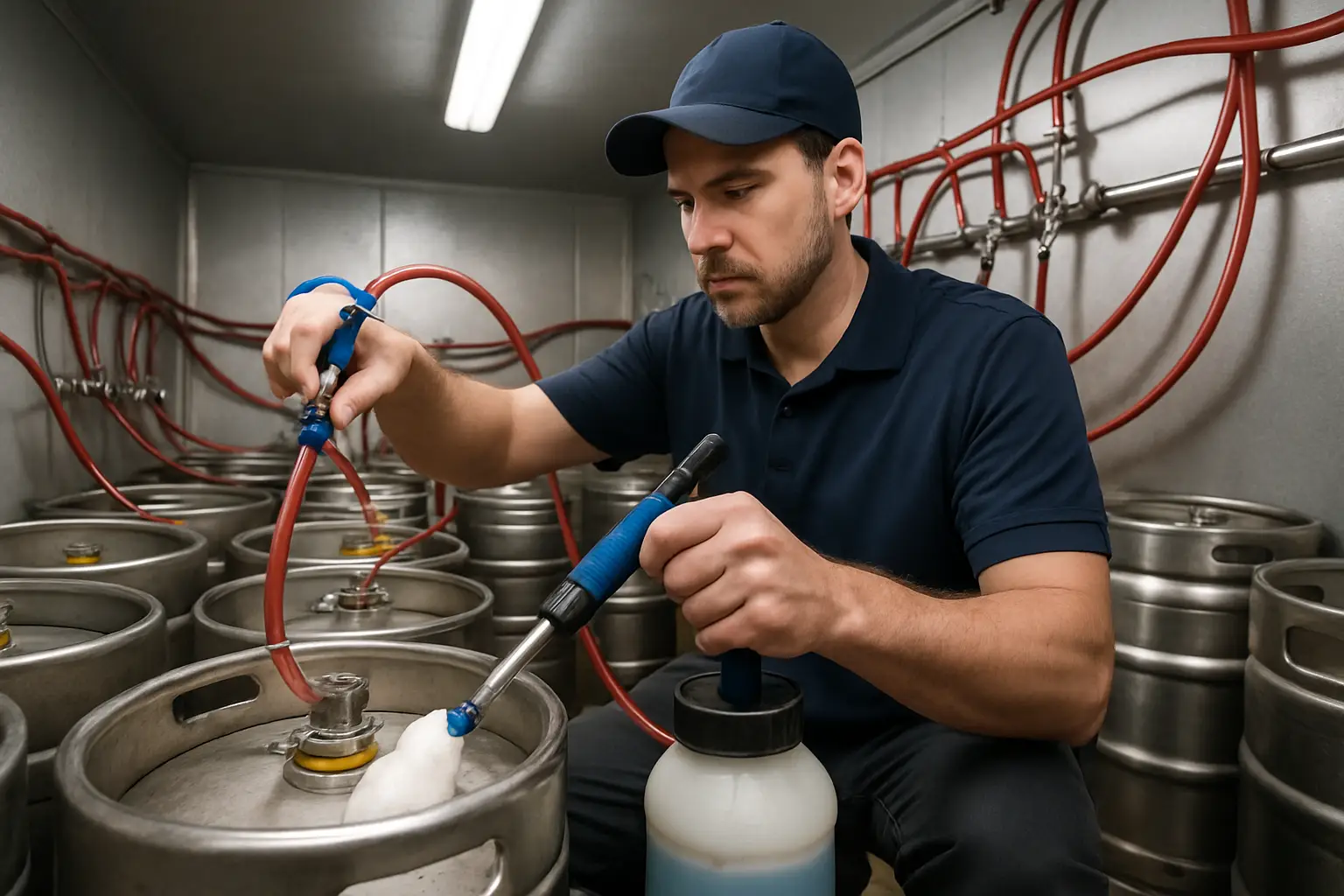
Beer line contamination is one of the most underestimated contributors to foamy pours. Residue from proteins, yeast, and hop compounds builds up along the interior walls of the lines over time. This buildup, called “beer stone” when mineralized, creates a rough surface that nucleates CO2 bubbles aggressively. The effect is similar to the way carbonation erupts when a sugary candy is dropped into a soda. For this reason, understanding the beer line cleaning process is essential for any bar owner.
According to the Brewers Association, lines should be cleaned at minimum every two weeks in active commercial draft systems. The choice of beer line cleaning chemicals matters significantly. Caustic-based cleaners break down organic residue. Meanwhile, acid-based cleaners dissolve mineral scale. Using only one type without periodic alternation leaves one category of buildup unaddressed.
For bar and restaurant owners who handle maintenance in-house, using a proper beer line cleaning kit ensures the right volume of solution reaches all sections of the system. Furthermore, it reaches towers, shanks, and faucets, not just the trunk lines. Understanding the full beer line cleaning process is equally important because skipping steps can leave residue that causes foaming. For example, proper flushing between the chemical soak and the first pour prevents off-flavors.
For operators running smaller or home draft setups, a resource on how to clean draft beer lines at home provides step-by-step guidance. This guidance is adapted to residential kegerators and compact direct-draw systems.
Things to Know
- The optimal alcohol content for foam stability is around 5%, according to research summarized by Live Science. Lighter session beers may foam differently even under identical system conditions.
- In a 2010 ASBC Brewing Summit survey, 34% of brewing professionals had rejected a beer specifically for poor foam quality. Additionally, 75% valued lacing on the glass as a quality indicator.
- Draft beer accounted for 52.3% of total beer sales by volume in the year to early 2025, per CGA by NIQ’s 2025 Channel Strategy Study. This means pour consistency has a direct impact on revenue.
- Long-draw glycol systems add complexity because the glycol chiller, trunk line temperature, and balancing resistance all interact. Foaming in long-draw setups typically requires a professional to recalibrate.
- Not all foam problems are system problems. A dirty glass, even one that looks clean to the eye, can trigger excessive foaming due to residual soap film or grease.
Diagnosing Your Foamy Draft Beer System Step by Step
A structured diagnostic approach saves time. It also avoids the common mistake of adjusting one variable while another remains the real cause.
Step 1: Check Temperatures First
Verify keg cooler temperature with a thermometer, not the cooler’s built-in gauge. Additionally, check tower temperature as well. This step is critical because temperature directly impacts why is my draft beer foamy.
Step 2: Verify CO2 Pressure
Cross-reference the current PSI setting against a CO2/temperature balance chart for the beer being served. Moreover, ensure the chart matches your specific system configuration.
Step 3: Inspect Hardware
Look for cracks, worn gaskets, or loose connections at the coupler, shank, and faucet. In addition, check for any visible damage that might let warm air into the system.
Step 4: Assess Line Cleanliness
When was the last cleaning, and are you prepared to learn how to clean draft beer lines at home if needed? Furthermore, how long did the solution dwell in the lines?
Step 5: Confirm Keg Rest Time
If a keg was recently received and tapped quickly, rest may be the only fix needed. Therefore, allow at least 24 hours before serving from a newly delivered keg.
What Excessive Foam Costs You
Every over-foamed pour loses saleable beer. On a standard half-barrel keg, even modest waste per pour compounds quickly. Across hundreds of pints, this waste becomes a significant revenue drain.
Beyond direct product loss, foamy beer signals a system problem to experienced customers. As a result, it can damage a bar or taproom’s reputation for pour quality. This matters in a market where draft beer drives a majority of on-premise beer revenue.
Take Control of Your Draft System Before the Next Pour
Beer Line Cleaning USA serves bars, restaurants, breweries, taprooms, and venues across New York, New Jersey, and Connecticut. Primary coverage includes the NYC metro area, Westchester, and Fairfield County, CT. If foamy pours are costing product and damaging the guest experience, the right fix starts with a professional assessment.
Request a free quote today and get a clear picture of what’s driving your foam issues. Contact Beer Line Cleaning USA directly to schedule a system inspection and start pouring cleaner beer on your next shift.
Frequently Asked Questions
Q: Can the type of beer affect how foamy it pours?
Yes, beer style and composition directly influence foam behavior.
Higher-protein beers like wheat ales and certain Belgian styles naturally produce more stable foam than lighter lagers. Alcohol content also plays a role, with foam stability peaking at around 5% ABV. Therefore, even with a well-calibrated system, some styles will require minor adjustments to pour correctly.
Q: How often should draft beer lines be cleaned to prevent foaming?
Commercial draft lines should be cleaned at minimum every two weeks.
More frequent cleaning may be necessary during high-volume periods or in systems with long draw lengths. Skipping scheduled cleanings allows organic and mineral buildup to accumulate. Both types of buildup increase nucleation sites and worsen foam.
Q: Does CO2 pressure alone cause foamy draft beer?
Pressure is a major factor, but rarely the only one.
Over-pressurization is a common cause. However, if temperature is also off, correcting pressure alone may not resolve the foam. Both variables need to be balanced against each other and against the specific line length and resistance in the system.
Q: Why does my first pour of the day foam more than later pours?
The beer lines and tower warm up overnight, causing the first pour to foam until the system cools back down.
Running a short “waste pour” at opening flushes warm beer from the lines. This is standard practice in well-run bars. Tower cooling fans or glycol tower cooling can prevent this issue on an ongoing basis.
Q: Is foamy beer a health or safety concern for customers?
Foamy beer is not a health hazard in itself, but contaminated lines can harbor bacteria and wild yeast.
These microorganisms can cause off-flavors and, in extreme cases, may pose minor hygiene concerns. Regular professional cleaning addresses both the foaming symptom and any underlying microbial buildup simultaneously.
The Bottom Line on Why Is My Draft Beer Foamy
Foamy draft beer is a solvable problem in the vast majority of cases. Temperature, pressure, line cleanliness, and equipment condition are the four variables that account for most issues. Furthermore, each one can be addressed systematically without replacing an entire system. Operators who maintain a consistent cleaning schedule, check hardware regularly, and keep temperatures within the proper range will find that foamy pours become the exception rather than the rule. The next step is a professional evaluation to identify which factor is at play in a specific setup and correct it before more product goes down the drip tray.