Table of Contents
Knowing how to tap a keg is less about strength and more about sequence. Most foamy first pours trace back to a few things done (or skipped) before the coupler ever touches the keg: how long it rested, how cold it is, and whether the connection is seated and sealed.
For bars, restaurants, and venues, a foamy opening pour on a fresh keg means lost beer, slower service, and a poor first impression. For home and event setups, it means frustration and wasted product.
Key Takeaways
- Let the keg rest after transport before tapping.
- Keep beer cold and consistent, typically 34 to 38°F.
- Match the coupler to the keg valve and seat it fully.
- Set gas pressure for the beer’s temperature, and avoid unnecessary adjustments.
- Discard the first pour and pour at an angle.
What to Check Before You Tap a Keg
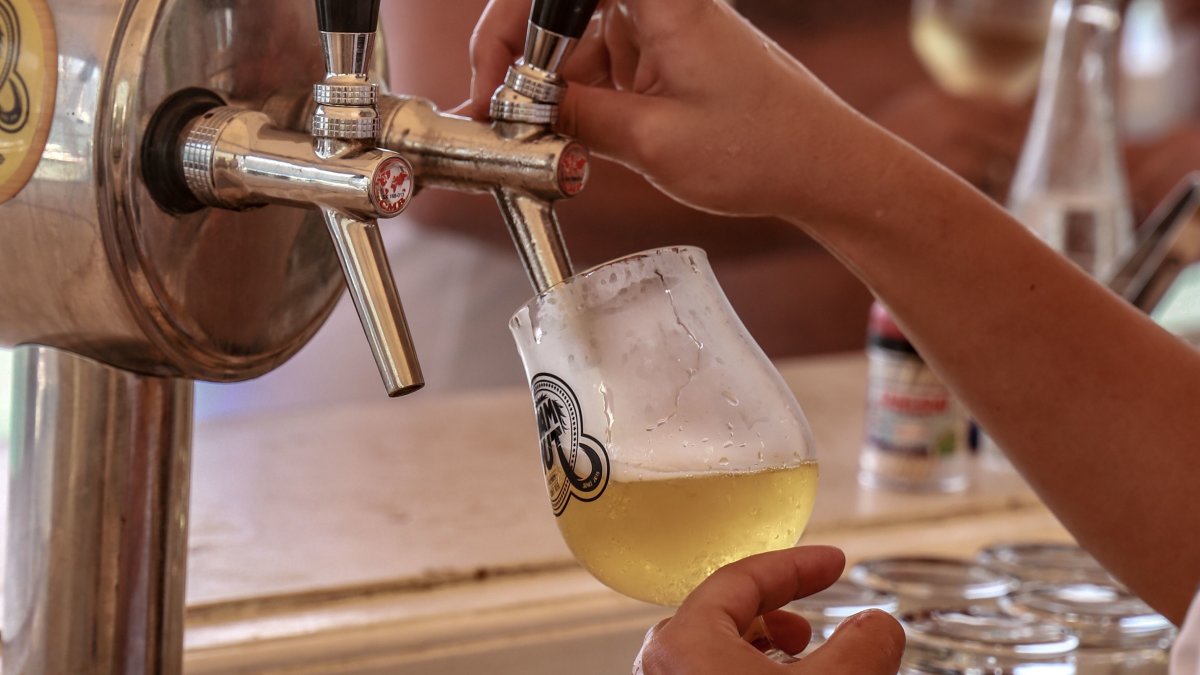
Tapping is the last step, not the first. Three checks before you connect anything prevent most opening-pour problems.
Let the Keg Settle After Transport
Kegs get jostled on the way to your cooler. Movement agitates the beer and pushes CO₂ out of solution, and that unstable gas shows up as foam when the faucet opens. A keg that has just been moved, rolled, or delivered needs time at rest, upright, in the cooler or commercial kegerator.
There is no single magic number. A keg that has been sitting in a stable cooler for days needs little extra time. One that just came off a truck and went straight into the walk-in benefits from several hours, and a longer rest is the safer call when pour quality matters. If a keg was handled roughly or laid on its side, give it extra time before judging the first pour.
Confirm Keg and Line Temperature
Temperature drives carbonation behavior. The Brewers Association identifies a proper dispensing temperature of 34 to 38°F as one of the key factors in draft beer service.
Check more than just the keg temperature:
- Keg temperature: Use a thermometer reading of the liquid, not just the cooler’s dial.
- Tower and faucet: These are often the warmest points in the system.
- Line temperature: Lines near cooler doors or heat sources can warm between pours.
A keg tapped straight from a warm delivery will foam no matter how clean your technique is. Cold storage time is part of the process.
Match the Coupler to the Keg
The coupler is the connection between the keg and your gas and beer lines. In the U.S., most domestic kegs use a Sanke D system coupler, while many imports use different coupler styles. Confirm the keg’s valve type before you try to connect, since forcing a mismatched coupler can damage the valve or the coupler, and it will not seal properly.
Before attaching the coupler, inspect all parts that contact the beer:
- Coupler probe and gasket for wear or residue
- Beer line and gas line connections
- Faucet and shank for buildup
Worn gaskets and dirty components cause slow leaks and turbulence. If a coupler or faucet looks questionable, a professional draft system cleaning takes the guesswork out before the keg goes live.
How Do I Tap a Keg? Step-by-Step
Here is the standard sequence for a common Sanke D keg and coupler. Always follow the equipment manufacturer’s instructions, since coupler designs and safety features vary.
- Confirm the keg is settled and cold. Upright, at serving temperature, and rested after any move.
- Shut off the gas. Close the regulator or CO₂ shutoff, and make sure the coupler handle is in the up (closed) position.
- Remove the dust cap. Clean the top of the keg and the valve area so debris does not get pushed into the system.
- Align the coupler. Line up the coupler lugs with the keg neck slots, set it down on the valve, and turn it clockwise until it locks.
- Check the gas setting. Pressure, temperature, and carbonation level work together. Set your regulator to the PSI that matches your beer’s carbonation level and serving temperature, adjusting for elevation and line length.
- Open the gas. Turn on the CO₂ so the system pressurizes.
- Engage the coupler. Lower the handle fully to open the keg valve and let beer flow into the line.
- Look for leaks. Listen and check the connections. A hiss or a bubbling fitting means something is not seated.
- Open the faucet and purge. Run the first pour into a waste container until the flow runs steady (more on this below).
Make one pressure change at a time and give the system a moment to settle before you adjust again. Constant PSI tweaking hides the real cause of foam instead of fixing it.
First-Pour Technique That Cuts Foam and Waste
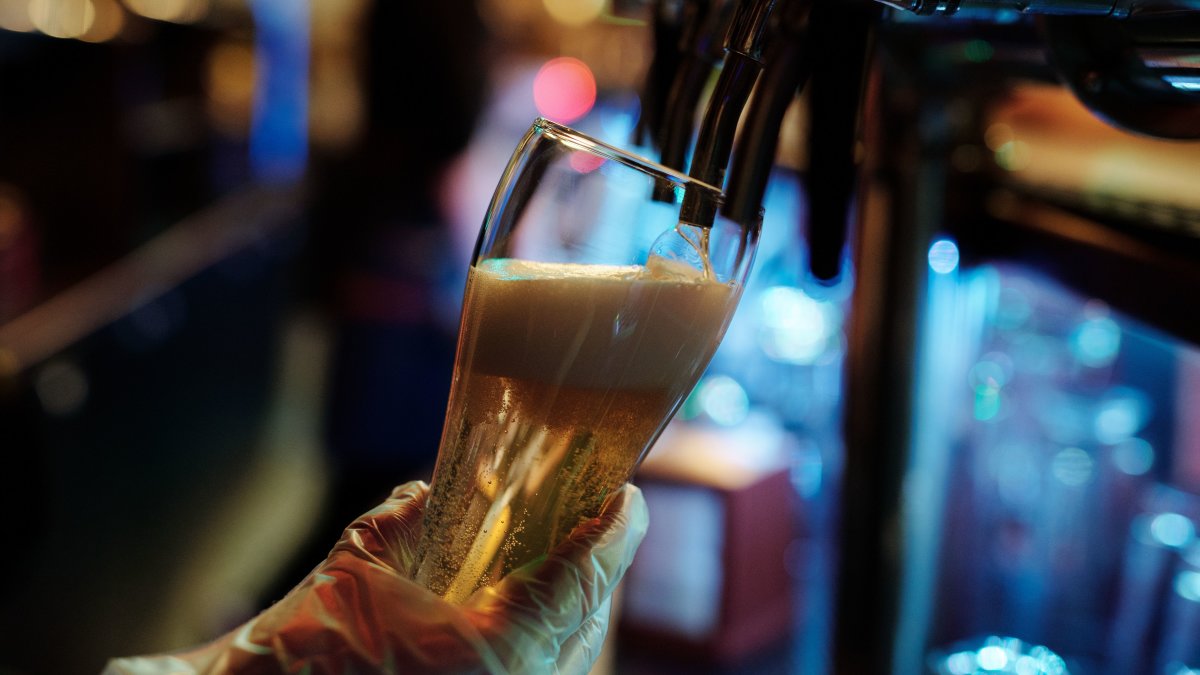
Even with a perfect connection, a fresh line starts with air and warm beer in the tower. The first pour is partly a clearing step, and treating it that way saves your next several glasses.
- Discard the opening pour. The first ounces can carry air from the changeover and beer that warmed in the faucet. Pour it off into a waste glass instead of serving it.
- Open the faucet fully and quickly. A faucet held partly open creates turbulence and foam. Use it fully open or fully closed.
- Pour at an angle. Start with the glass tilted about 45 degrees, then straighten it as the glass fills to control the head.
- Keep the faucet out of the liquid. Dipping the spout into the beer contaminates the faucet and creates foam.
- Use beer-clean glassware. Residue from detergent, grease, or sanitizer collapses the head and creates foam. Rinse thoroughly and let glassware air-dry before filling.
For a larger setup, build this into a written keg-change routine so every team member runs the same sequence. Consistent steps are easier to audit than relying on memory during a rush.
Why the First Pour Still Foams (And What to Check)
If you followed the steps and the first pour is still foamy, work through the usual causes in order: temperature, pressure, air in the line, keg condition, then cleanliness.
- Warm tower or faucet: Foamy first pour, better second pour. The keg is fine, but the tower is warm.
- Pressure mismatch: Gas pressure that is too high or too low for the beer’s temperature changes how CO₂ behaves in the line.
- Air in the line: A partially seated coupler or a changeover with air in it creates bursts of foam at the faucet.
- Over-carbonated or unsettled keg: A keg that was shaken or stored warm can stay foamy until it stabilizes at serving temperature.
- Dirty lines and faucets: Buildup gives CO₂ surfaces to nucleate on, so foam appears even when temperature and pressure are correct.
When Foam Points to a Draft System Problem
If foam returns on every new keg, one tap keeps misbehaving, or you are discarding more than a couple of ounces each time, the issue usually lives inside the system rather than in your tapping routine. Restriction mismatches, worn couplers, glycol system or temperature issues, and line buildup all produce repeat foam that technique alone cannot solve.
Cleaning draft lines on a regular schedule is part of keeping beer quality consistent, and a two-week cycle is the common benchmark for commercial systems. A technician can also test pressure, temperature, and balance across the whole system, so you are not chasing one symptom after another.
Frequently Asked Questions
How long does a keg stay fresh after you tap it?
It depends on the beer, whether it is pasteurized, and how the keg is dispensed. A CO₂ system keeps oxygen out to preserve freshness, while air-driven hand pumps introduce oxygen and shorten shelf life significantly, often to just a few hours. Unpasteurized craft beer is particularly delicate. Clean lines, steady cold storage, and stable pressure help the keg hold its flavor as long as possible.
What size keg should you tap for an event?
Keg size depends on guest count, event length, available cooler space, and how much a keg of beer costs. Half barrels suit large crowds and high-volume service, while sixtels and quarter barrels work better for smaller gatherings or when you want more than one beer on tap. Plan for some loss to foam and spills, and check that the keg fits your cooler or kegerator before the event.
Can you retap a keg after it has been disconnected?
Yes, as long as the keg stayed cold and pressurized while it was off the tap. Each time a keg is tapped, the risk of oxygen exposure goes up, which can dull freshness over time. Give it a short rest after reconnecting, discard the first pour, and replace the keg if the beer tastes flat, sour, or off.
How do you know when a keg is empty?
The pour turns to foam, the flow sputters, and you may hear gas hissing at the faucet. However, foam alone does not always indicate an empty keg; rule out warm temperatures, pressure mismatches, air in the line, and dirty hardware before replacing the keg.
Who can help with keg tapping and draft setup in Putnam County?
A professional draft technician can handle setup, line cleaning, and troubleshooting for businesses and event hosts in the area. That includes checking couplers, pressure, and temperature so a new keg opens cleanly. Service availability and scope vary, so confirm details with the provider before your event.
Tap a Keg Right, Then Keep the System Clean
A clean first pour comes down to a settled keg, steady cold temperatures, a seated coupler, and a short purge before service. Get those right and most new kegs open without waste.
If foam keeps coming back on every keg, the cause is usually inside the system: worn couplers, unbalanced pressure, temperature drift, or line buildup. Beer Line Cleaning USA handles draft system repairs and maintenance for bars, restaurants, breweries, and venues. A technician can find the weak link, fix it, and set up a maintenance schedule so you stop chasing foam keg by keg.
Foamy pours, slow taps, or off-flavors on a fresh keg? Contact us today.
Related Posts