Table of Contents
- What Does a Long Shutdown Do to Beer Lines?
- Draft System After Shutdown: The Reopening Bar Checklist
- What Do Dirty Lines Taste Like After Reopening?
- What Can Bar Staff Handle, and What Needs a Technician?
- Reopening a Bar in Putnam County, NY, and the Tri-State Area
- Frequently Asked Questions
- Reopening Soon? Get Your Lines Cleaned First
A bar can sit dark for weeks or months, but the beer inside its lines never gets the memo. Restarting a draft system after shutdown takes more than powering up the cooler and tapping a fresh keg. Yeast settles, residue hardens, and old beer turns sour in tubing that was never built to hold it.
Guests do not blame the lines when the first pour tastes off. They blame the bar. The reopening bar checklist below moves through every step in order, from the first walk-in inspection to the final test pour, so the first glass of the night tastes like the keg and not the closure.
Key Takeaways
- Lines idle past two weeks need a full clean, not a rinse.
- Restore cooling and gas before any keg goes on.
- Clean faucets and couplers by hand, not just lines.
- Flush building water and ice machines too.
- Test-pour and taste every tap before opening.
What Does a Long Shutdown Do to Beer Lines?
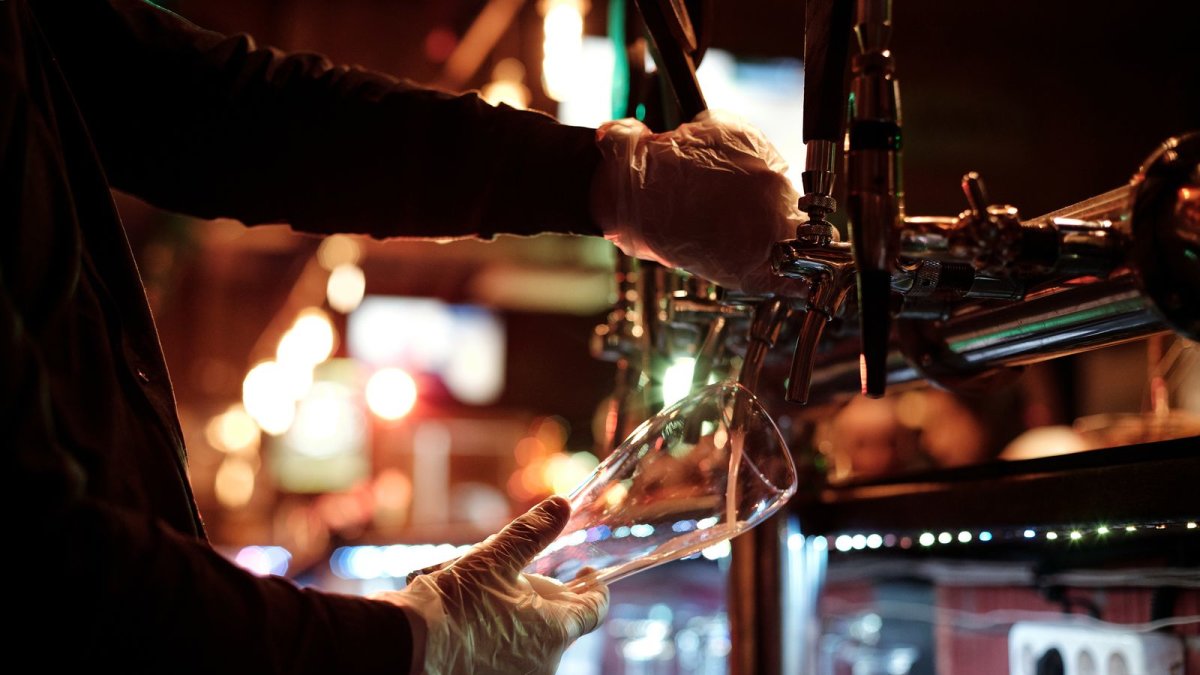
Beer lines are built to carry cold, fresh beer under steady pressure. A shutdown breaks all three conditions at once. Beer sits still, temperatures drift, and gas pressure drops or disappears.
Standing beer feeds microbes. Sugars, proteins, and hop resin cling to the line wall, and yeast and bacteria get weeks to work on them. Minerals harden into beer stone, a grey or brown buildup that eventually flakes off and can end up in a pint. Exposed parts like faucets, couplers, and drains can grow white or grey yeast and brown or black mold.
Water cannot fix any of it. Professional draft system cleaning for bars and restaurants relies on alkaline detergent and moving flow to strip film from the line wall, which is why a restart clean works nothing like a quick flush. Most systems run on a two-week cleaning cycle, so a closure of any real length puts the next clean far past due.
Draft System After Shutdown: The Reopening Bar Checklist
Work through these eight steps in order. Each one protects the next.
1. Inspect the Whole System Before Powering Anything
Walk the system from the walk-in to the tap. Look for leaks, wet insulation, damaged tubing, and loose fittings. Check faucets, couplers, and drains for white, grey, brown, or black growth.
Write down everything you find. A dated record shows a technician exactly what changed during the closure.
2. Restart Cooling and Give Kegs Time to Chill
Bring the walk-in or keg cooler back to temperature before anything gets tapped. Most systems are balanced for 38°F, and warm spots cause foam and wasted beer. Kegs that sat warm need patience too, because warm kegs can need a full day to chill before they pour cleanly. Confirm every fan runs and the door seals tight.
3. Check Gas Supply, Regulators, and Mixed-Gas Setups
Inspect CO₂ tanks, regulators, and gas lines for leaks. Confirm each regulator holds the pressure set for its beer, and replace any gas supply or fitting that is not beverage grade.
Nitro and stout lines add another variable, since nitro taps rely on a different gas setup than standard faucets. That means a separate blend, its own regulator, and a supply that has to be full before the first pour.
4. Clear the Old Beer and Clean Every Line
Never serve beer that sat in the lines during the closure. Pull it out first, then run a full cleaning cycle through every line.
The industry baseline is to clean draft lines at least every two weeks with an alkaline detergent, recirculated through each line for at least 15 minutes. Moving cleaner scrubs the line wall in a way that soaking cannot. Rinse until no cleaner remains, and verify the rinse before any keg connects.
If the system also missed its quarterly acid cleaning, a technician can add that mineral step to the restart.
5. Take Apart Faucets, Couplers, and Drip Trays
Disassemble each faucet and coupler, scrub every part, and replace worn seals and gaskets. Residue hides in the places a line flush never reaches, and one dirty faucet can spoil a freshly cleaned line. Clean drains and drip trays as well, since mold settles there first.
Nitro and stout faucets carry extra internal parts, and nitro lines call for a slightly different cleaning approach than standard beer lines.
6. Flush Building Water and Ice Machines
A bar’s water system sits idle too, and that affects ice, rinse stations, and every tap that runs water. Public health guidance for idle buildings says to run water through every outlet before reopening a building, hot and cold, while limiting splashing and mist.
Ice machines need the manufacturer’s flush steps, and old ice should be discarded. Anyone with a weakened immune system should talk to a medical provider before helping with flushing. For local water or food-safety requirements, the local health department is the right contact.
7. Tap Fresh Kegs and Check Dates
Check packaged-on and best-by dates before tapping, and rotate stock first in, first out. Beer that waited out the closure in the cooler may have lost its edge.
Match every coupler to its keg before connecting. Stout kegs use a U coupler and blended gas, while standard kegs call for a different coupler style.
8. Run Test Pours Before the Doors Open
Pour every tap into a clean glass. Judge foam, clarity, aroma, and taste. Early pours often run foamy or flat while air and rinse water clear, so flush until each tap settles into a steady pour.
Log that beer, because flushed beer still counts in your draft pour cost, and a restart week never looks like a normal one. Have the bar manager and a second staff member taste every tap before service.
What Do Dirty Lines Taste Like After Reopening?
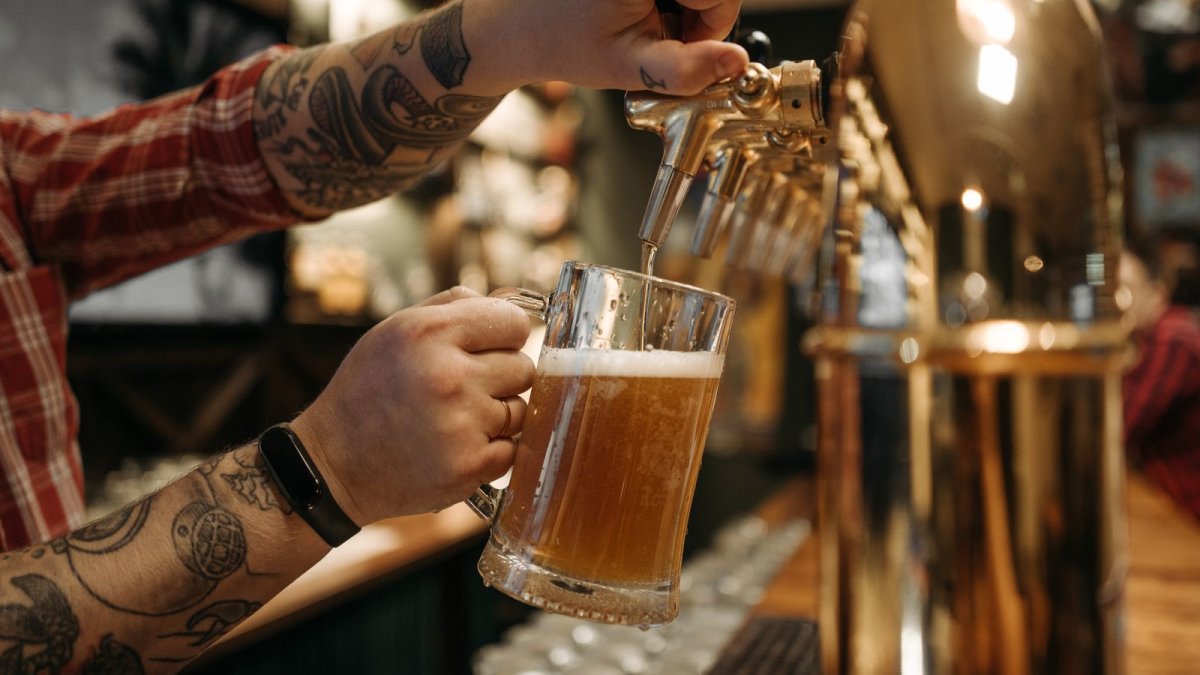
Some problems only show up in the glass. Sour or vinegary notes point to bacteria in the line or faucet. A buttery diacetyl flavor that can signal bacterial contamination is another red flag, especially when the beer was fine before the closure.
|
What You Notice |
Likely Cause |
Next Move |
|
Sour or vinegary taste |
Re-clean lines and faucets |
|
|
Buttery, slick finish |
Bacterial contamination |
Re-clean and inspect components |
|
Cloudy beer or flecks |
Beer stone or loosened residue |
Stop pouring and call a technician |
|
Excess foam |
Warm kegs, pressure imbalance, or air in lines |
Check cooling and regulators, then flush |
|
Musty smell |
Mold at faucets or drains |
Disassemble and clean |
If a tap still tastes off after one full clean, stop pouring it. A second clean, a parts replacement, or a closer look at the cooling and gas side usually solves it.
What Can Bar Staff Handle, and What Needs a Technician?
Some reopening tasks belong to your team. Others need tools, training, or a trained eye. Knowing where that line falls saves time and keeps small problems from turning into wasted kegs.
|
Handle In-House |
Hand to a Technician |
|
Walk the system and spot leaks, growth, or damaged tubing |
Pressure and leak testing across beer and gas lines |
|
Restart the cooler and confirm it holds temperature |
Glycol system diagnostics and cooling circuit repairs |
|
Check tank levels and regulator readings |
Gas balance and regulator adjustments for each beer |
|
Pull old beer and set aside faucet parts for cleaning |
Recirculation line cleaning and acid cleaning |
|
Run test pours and taste every tap |
Persistent foam, off-flavors after a full clean, and part replacements |
A good rule of thumb: if the task involves looking, logging, or tasting, your staff can own it. If it involves balancing, chemistry, or anything inside the lines, a technician should handle it. When a tap still misbehaves after the basics, that is the signal to call.
Reopening a Bar in Putnam County, NY, and the Tri-State Area
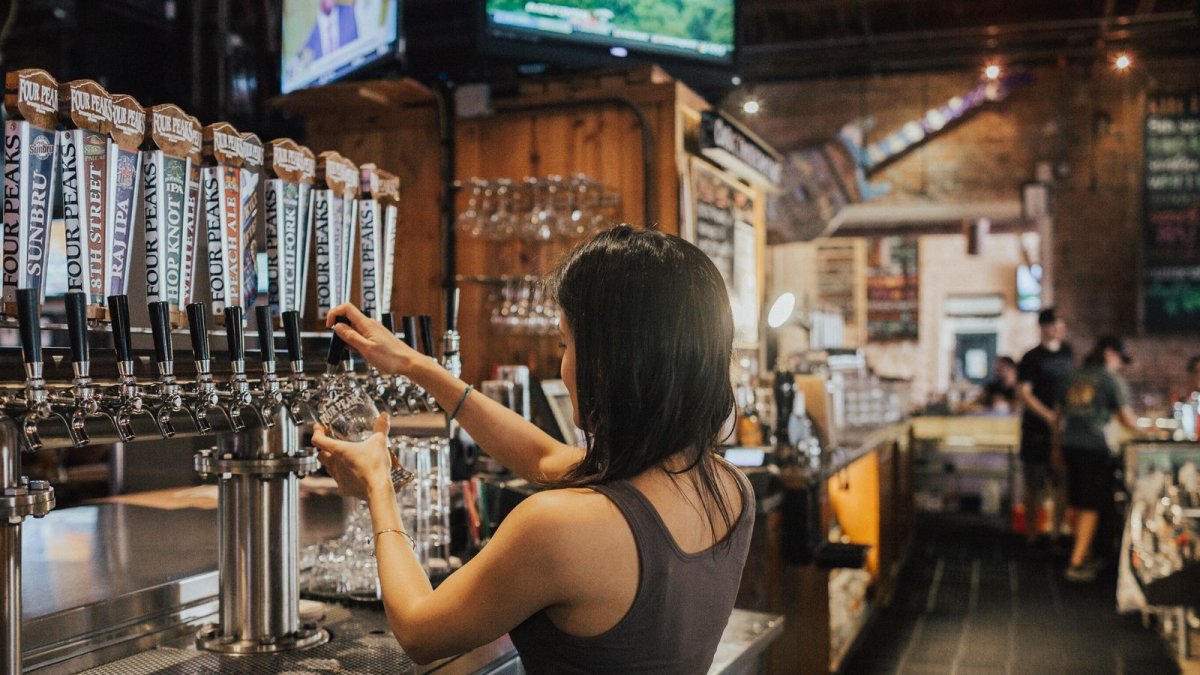
Venues in Putnam County, from Brewster and Mahopac to Cold Spring, often pause service for off-season closures, renovations, or gaps between private events. Cold weather adds one more check: unheated spaces and exterior runs can freeze, so inspect tubing and fittings for cracks before the restart.
Once the doors are open again, a routine built around seasonal draft system maintenance for Putnam County bars and venues keeps lines from sliding back into trouble. The same restart steps apply to bars, restaurants, and taprooms across New York, New Jersey, and Connecticut.
Frequently Asked Questions
Do returning staff need a draft pouring refresher after reopening?
Yes. A short refresher helps, especially when new hires join for the reopening. Cover clean glassware, pour technique, handling foam, and when to flag an off pour to a manager, so small problems get caught before guests notice them.
Should beer lines be replaced after a long closure?
Not always. Tubing in good condition can stay in service after a thorough clean, but lines that are stained, cracked, kinked, or still tainted after cleaning should be replaced. Vinyl jumpers follow a shorter replacement schedule than other tubing, and a technician can inspect the full run and recommend what to swap.
How far ahead of reopening should the draft system be cleaned?
Early enough to leave room for rinsing, chilling kegs, and test pours before the first guest arrives. Larger systems and long runs take more time, so schedule service as soon as a reopening date is set.
Do glycol and long-draw systems need extra checks after a shutdown?
Yes. Systems that rely on glycol cooling or long runs to the bar should have the cooling equipment, power, and insulation checked before any beer flows. Beer needs a steady temperature from keg to faucet, and one failed section causes foam and waste.
What records should a bar keep when reopening the draft system?
Keep dated notes on the inspection, cleaning, parts replaced, regulator settings, and test pours. A simple log shows when each line was last cleaned and helps technicians spot patterns, which makes the next restart faster.
Reopening Soon? Get Your Lines Cleaned First
Beer Line Cleaning USA provides draft system cleaning for bars, restaurants, breweries, and venues across New York, New Jersey, and Connecticut. Our technicians have serviced thousands of systems and handle every point from keg to faucet, so your first pour after a long closure tastes the way the brewer intended.