Table of Contents
- What Is Nitro Beer?
- How a Nitro Beer Tap Works
- Beer Gas: The Blend Behind Beer on Nitro
- Equipment a Bar Needs to Serve Nitro Beer
- Common Nitro Problems and What They Point To
- Cleaning and Safety for Nitro Taps
- Planning a Nitro Tap for Your Bar
- Frequently Asked Questions
- Get Your Nitro Tap Set Up Right
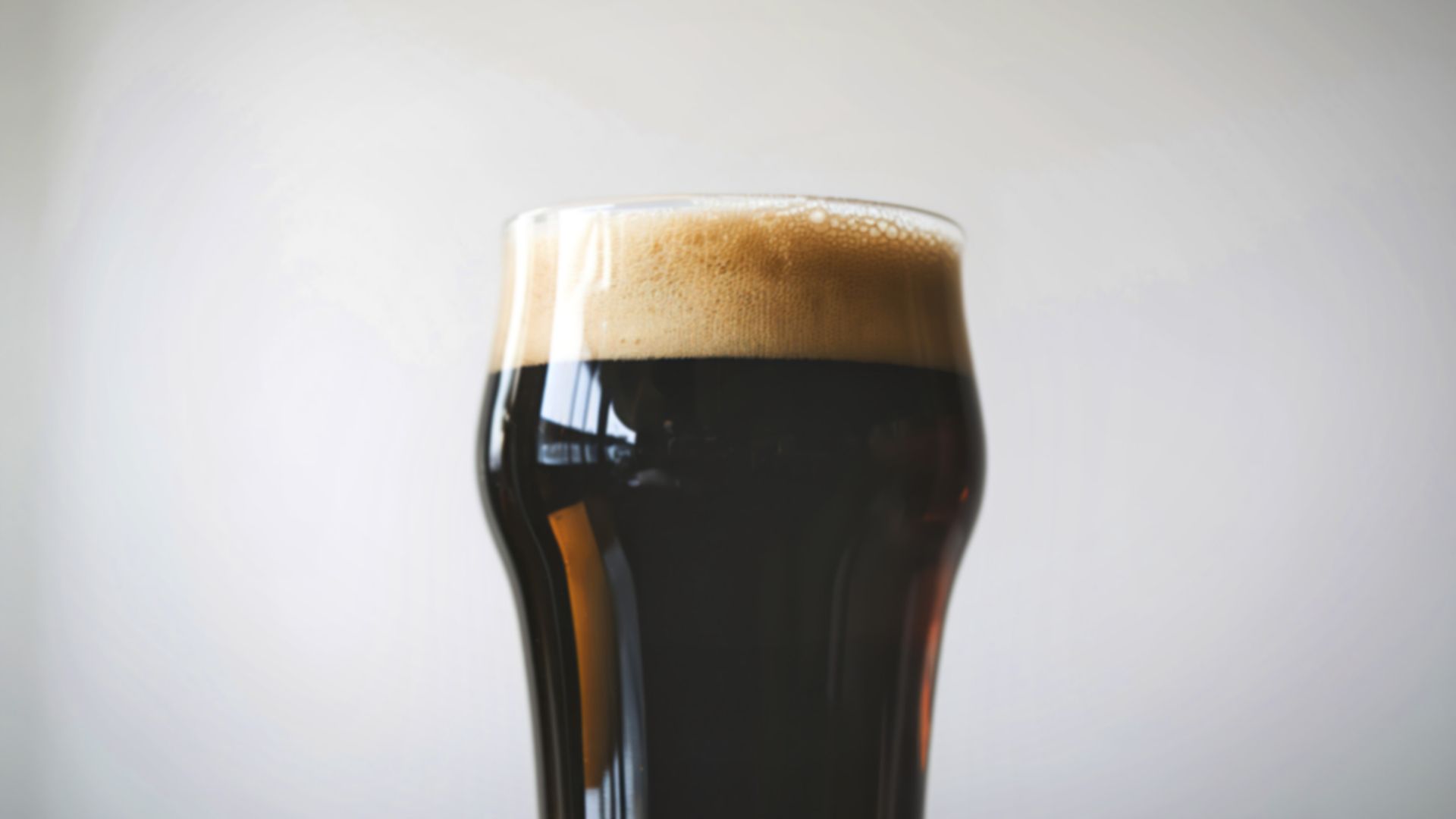
Nitro beer pours unlike anything else on your tap list: a slow cascade, a dense creamy head, and a smooth finish that standard CO₂ beer cannot copy. That look depends on a very specific setup. Nitro beer needs its own gas blend, its own faucet, and a draft system balanced for higher pressure. Get one piece wrong, and the pour turns foamy, flat, or dull.
Key Takeaways
- Nitro beer needs beer gas, typically 25% CO₂ and 75% nitrogen.
- A stout faucet with a restrictor plate creates the cascade.
- Standard beers on nitro gas go flat over time.
- Higher serving pressure demands rated equipment and balanced lines.
- Nitro faucet spouts need daily rinsing and biweekly deep cleaning.
What Is Nitro Beer?

What is nitro beer, exactly? It is beer served with a small amount of nitrogen and a much lower level of carbon dioxide than a typical draft. The Brewers Association explains that nitro was created to replicate the creaminess of cask-conditioned ale, and that its properties only hold up when the beer is handled carefully at dispense.
A few facts help explain how it behaves:
- Lower carbonation. According to the Brewers Association, nitrogenated beer carries roughly 1.1 to 1.7 volumes of CO₂, well below most draft beer.
- Smaller bubbles. Nitrogen bubbles are smaller than CO₂ bubbles, which creates a smooth mouthfeel and a longer-lasting head.
- Softer flavor profile. Lower carbonation and a different foam structure tend to subdue aroma and soften perceived bitterness. That matters when you decide which beers belong on a nitro handle.
- Very little dissolved nitrogen. The amount in the beer is so small that it is not usually measured. Nitrogen dissolves poorly, so breweries use pressure-rated equipment to infuse it before the keg ever reaches you.
The same principle extends beyond beer. Nitro cold brew and similar draft beverages use nitrogen too, though each product has its own gas and dispense requirements.
How a Nitro Beer Tap Works
A nitro beer tap looks different for a reason. The faucet does the heavy lifting.
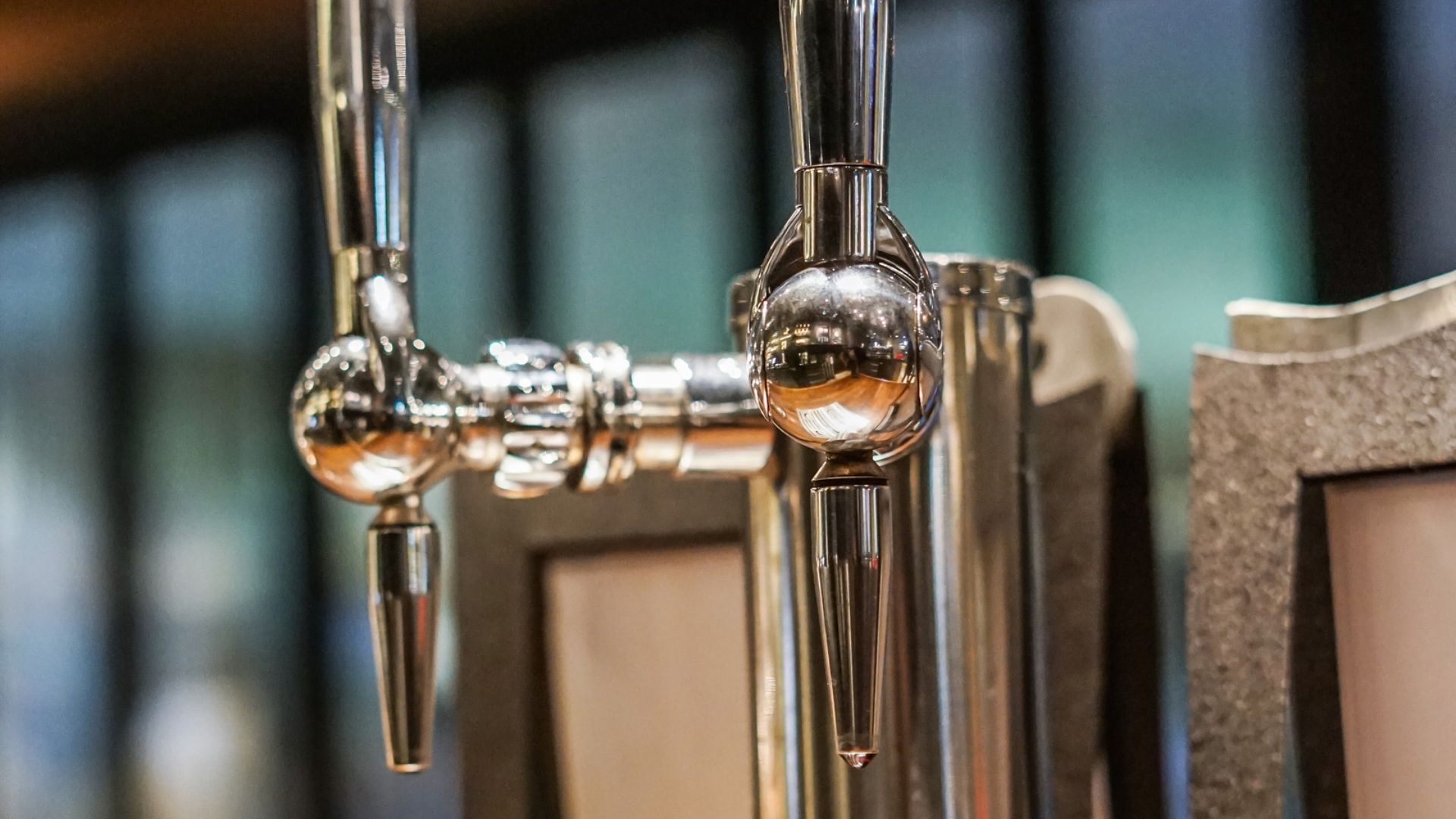
Nitro runs at high applied pressure to keep both gases in the beer. On a standard faucet, that pressure would push beer out as foam. A stout faucet, unlike the other common beer faucet types used on kegerators, solves this by adding resistance. Inside the spout, a restrictor plate forces beer through tiny holes. A flow straightener on the other side keeps the stream even.
That restrictor plate also breaks nitrogen out of the beer through turbulence. The result is the cascade you see in the glass, along with the creamy texture and stable head.
What Sets a Nitro Faucet Apart
- Restrictor plate: creates resistance and triggers the cascade.
- Flow straightener: smooths the beer after the plate.
- Two-way handle: pulling it toward you pours at full flow, and pushing it away slows the flow for controlled top-ups.
- Removable spout: it needs its own cleaning routine (more on that below).
The Two-Part Pour
Many bartenders pour nitro in two stages. They fill the glass about three-quarters, set it down to let the surge settle, then top it off with the handle pushed away. Per the Brewers Association, the finished head should land between three-quarters of an inch and one inch, and the spout should never touch the beer or the glass.
For the first stage, the glass should be clean and held at a 45° angle with the spout close to the glass but not touching. A “beer clean” glass matters more here than almost anywhere else, because residue collapses a nitro head fast.
Beer Gas: The Blend Behind Beer on Nitro
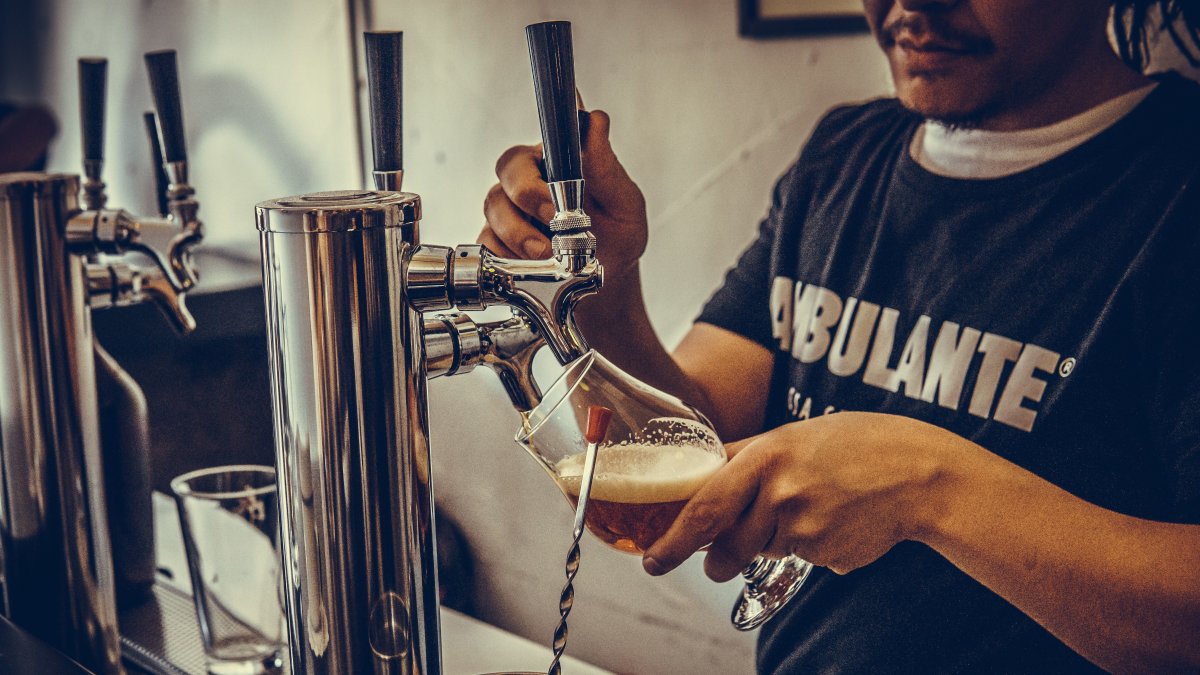
You cannot serve beer on nitro with straight CO₂. Nitro beer needs a gas blend that keeps the right balance of both gases. Per the Brewers Association, a typical blend is 25% CO₂ and 75% nitrogen, and 30/70 may also be used. Suppliers often sell it as G-Mix, Beer Gas, or Guinness Gas, or you can produce it with an on-site blender.
The blend works in both directions, so mistakes cost you either way:
- Too much CO₂ on a nitro keg: the beer over-carbonates and loses its smooth character.
- Nitro blends on a standard keg: the beer slowly loses carbonation and goes flat, even at higher pressure.
Pressure, Temperature, and Carbonation
Serving pressure for nitro depends on the beer’s CO₂ volumes and its temperature, and your brewer or distributor should supply the volumes. For example: a 1.2 volume nitro beer at 38°F, poured with a 25% CO₂ blend, calls for 37.8 PSI. That example is calculated for Denver’s altitude, so it will not match a bar near sea level in the New York metro. The takeaway is the range. Nitro runs well above the pressure of a typical CO₂ setup, so every component in the path, including the keg coupler types matched to each keg, has to be rated for it.
Temperature rules still apply. Kegged beer, nitro included, should be stored between 34°F and 38°F and served between 38°F and 44°F.
Running Nitro Next to Standard Taps
Most bars pour both nitro and standard beer. That means two separate gas supplies, or a dual-output blender, so beer gas never reaches a standard tap. Keeping the two gas lines clearly labeled and physically separate prevents a mistake that is easy to make during a keg change on a busy night.
Equipment a Bar Needs to Serve Nitro Beer
A working nitro setup is more than a faucet swap. Here is what the system needs:
- Nitro-rated gas source: a cylinder of premixed beer gas, or a blender fed by CO₂ and nitrogen.
- Compatible regulator: nitrogen and mixed-gas cylinders use different fittings than CO₂, so a standard CO₂ regulator will not connect. The regulator also has to handle nitro’s higher pressure.
- Stout faucet: a dedicated nitro faucet with a restrictor plate and flow straightener.
- Balanced beer line: line length and diameter are set during system design to offset the higher applied pressure.
- Couplers and gas lines: every fitting rated for the pressure.
- Reliable cooling: a keg cooler or walk-in that holds the beer in the storage range above.
- Cleaning and maintenance access: faucets and couplers that can be pulled apart and serviced on schedule.
If your tap list mixes nitro with standard beer, wine served from a commercial kegerator system, cold brew, or other draft products, the gas plan matters even more. Each beverage may need its own blend and its own pressure setting.
Common Nitro Problems and What They Point To
When a nitro pour goes wrong, the cause usually sits in one of a few places. This table gives you a starting point.
|
What You See |
Likely Cause |
First Check |
|
No cascade, flat-looking head |
Clogged or worn restrictor plate, low pressure |
Inspect the plate, then confirm pressure against the beer’s CO₂ volumes |
|
Foam that will not settle |
Gas or faucet mismatch, warm beer |
Confirm the blend and faucet type, then check temperature |
|
Standard beer pouring flat |
Beer gas feeding a regular tap |
Trace the gas line back to the source |
|
Over-carbonated nitro beer |
CO₂ used on a nitro keg |
Verify the blend on that tap |
|
Dripping or sour smell at the spout |
Beer trapped inside the spout |
Remove, rinse, and air dry the spout |
If the same tap keeps acting up after these checks, the issue is often system balance or hardware wear, and a technician should look at it. Foam and off-flavors that keep returning, like the metallic taste in draft beer bars often see, also point back to line cleanliness.
Cleaning and Safety for Nitro Taps
Nitro lines, faucets, and couplers follow the same cleaning rules as the rest of your draft equipment. The faucet spout is the exception. The spout should be unscrewed at close each day, rinsed with water, and air-dried before it goes back into service. It should be fully dismantled and cleaned every two weeks.
That daily step is easy to skip when a shift ends late. It is also where beer collects and sours first, one reason beer can taste sour coming from a keg, so build it into your closing checklist.
Gas safety deserves the same discipline. Compressed gases displace oxygen in enclosed spaces, and the Brewers Association’s CO₂ safety guidance recommends securing cylinders to a wall, keeping them away from heat, ensuring walk-in doors open easily from the inside, and training staff never to enter a cooler alone.
Planning a Nitro Tap for Your Bar
Adding nitro touches the cooler, the gas supply, the beer lines, and the tower. That is why it works best as a planned project instead of a quick add-on.
Before you commit, work through these questions:
- How many nitro handles do you need now, and could that grow?
- Where will the gas cylinders or blender live, and is that space ventilated and secure?
- Will nitro and standard taps share a cooler, and how will the gas stay separated?
- Is the distance from keg to faucet short, or does it call for a long-draw design?
- Do your staff know the two-part pour and the spout cleaning routine?
Bars, restaurants, and taprooms across Putnam County, Westchester, the NYC metro, New Jersey, and Connecticut face these same layout choices, from tight under-bar installs to larger walk-in setups. Professional draft system installation for bars and restaurants, including gas planning and pressure balancing, keeps those systems running with scheduled cleaning and repair.
Frequently Asked Questions
Is nitro beer stronger than regular beer?
Not because of the gas. Nitrogen changes texture and head, not alcohol content. Strength depends on the beer itself, so the brewer’s listed ABV is the number to go by.
What beer styles are commonly served on nitro?
Stouts are the best known, though some brewers also offer nitro versions of other styles. Softer aroma and bitterness suit some beers better than others, and the brewer decides which products are packaged for nitro.
Is nitro beer available in cans?
Yes. Some nitro beers come in cans with a widget that releases gas when opened. That is a different method from draft nitro and does not use a stout faucet or beer gas.
How long does a nitro keg stay fresh?
It varies by beer, storage conditions, and how clean the lines are. The brewer’s packaging date and handling guidance are the best reference for each keg.
Who should service a nitro draft system in New York, New Jersey, or Connecticut?
A technician experienced with draft equipment, gas blends, and stout faucets. Beer Line Cleaning USA serves bars, restaurants, breweries, and venues across the tri-state area with cleaning, repair, and installation support.
Get Your Nitro Tap Set Up Right
Foam that will not settle, a missing cascade, or an uncertain gas setup all point to a system requiring professional attention. Troubled nitro taps can quickly lead to excess product waste and inconsistent pours for your customers.
To ensure your system is properly balanced and performing at its best, contact Beer Line Cleaning USA for expert installation, maintenance, and service across the tri-state area.