Table of Contents
- What Is a Wine Kegerator?
- Why Stainless Steel Lines and Fittings Matter
- Choosing the Right Gas: Nitrogen vs. CO₂
- Dispense Temperatures for Wine on Tap
- The Business Case for Wine on Tap in Restaurants
- Planning a Wine Kegerator Installation
- Cleaning and Maintenance for Wine Lines
- Frequently Asked Questions
- Ready to Put Wine on Tap?
Every open bottle behind the bar is on a clock. Once the cork comes out, oxygen starts working on the wine. By the end of a slow Tuesday, the last few glasses of a by-the-glass pour may end up in the sink. A wine kegerator changes that. The wine stays sealed inside a stainless steel keg; gas pushes it to the faucet, and the last glass is as fresh as the first.
The equipment looks familiar to anyone who runs draft beer, but wine has its own rules. Contact materials, gas type, line tubing, and temperature all need to match the product. Get those details right, and wine on tap becomes one of the most efficient programs on your menu.
Key Takeaways
- A wine kegerator keeps wine sealed under gas, so each pour stays fresh.
- Every part that touches the wine should be stainless steel, not brass or chrome.
- Still wines need nitrogen-rich gas. Sparkling wines need CO₂..
- Whites, reds, and sparkling wines each need a different dispense temperature.
- Kegged wine cuts spoilage, speeds service, and steadies pour cost.
What Is a Wine Kegerator?
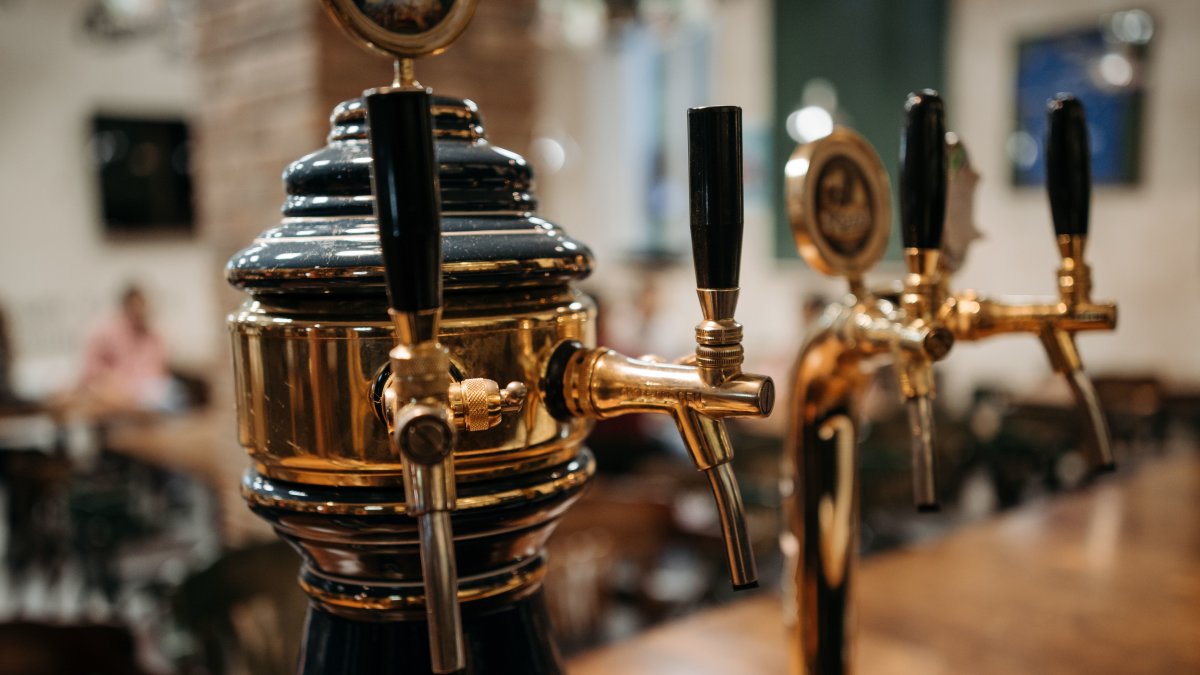
A wine kegerator is a refrigerated draft dispenser that stores and serves wine from kegs instead of bottles. Most commercial wine kegs are 19.5-liter stainless steel vessels. Each one holds roughly 26 standard bottles, or about 130 five-ounce pours.
Restaurants typically choose between two system styles:
- Direct-draw wine kegerators: Self-contained units with the kegs, cooling, and faucets in one cabinet. They suit restaurants running two to six wine taps from behind the bar.
- Remote or long-draw systems: The kegs sit in a walk-in cooler or a dedicated keg room, and lines run to a tower at the bar. These systems often use glycol cooling to hold temperature over longer runs. They work well for high-volume dining rooms, hotels, and venues.
Dual-zone units are also common. They keep whites and sparkling wine colder on one side and reds warmer on the other, which matters more than most operators expect.
Why Stainless Steel Lines and Fittings Matter
Wine is far more acidic than beer. Most table wines fall roughly between pH 3 and pH 4. That acidity helps wine taste bright and balanced, but it also attacks metals that hold up fine in many beer systems.
The Brewers Association already recommends stainless steel draught components, because brass contact is one of the usual causes of metallic taste in draft beer at bars. Wine raises the stakes. Its acid can pull metal ions from brass or worn chrome plating, which dulls the aromas and adds metallic notes that guests can taste.
Contact Points That Need to Be Stainless
Any part that touches the wine on its way to the glass should be food-grade stainless steel, ideally 304 or 316 grade:
- Keg couplers
- Shanks and tailpieces
- Faucets
- Line connectors and fittings
- The keg itself
A common mistake is fitting stainless faucets to a system that still uses chrome-plated brass shanks or couplers. One part that isn’t stainless is enough to affect the flavor.
The Right Tubing for Wine
The standard vinyl beer line lets small amounts of oxygen pass through its walls over time. That’s a problem for wine, which oxidizes easily. Wine systems should use barrier tubing, a multi-layer line that blocks oxygen and keeps one product’s flavor from carrying over into the next. Its smooth inner wall also makes cleaning more effective, because residue and biofilm have fewer places to settle.
Choosing the Right Gas: Nitrogen vs. CO₂
Gas is where wine programs most often go wrong. In a beer system, CO₂ keeps the beer carbonated. In still wine, extra CO₂ dissolves into the wine and gives it a prickly, slightly fizzy texture that guests notice right away.
|
Wine Style |
Recommended Gas |
Why It Works |
|
Still whites and rosés |
Nitrogen or a nitrogen-rich blend (commonly 75% N₂ / 25% CO₂) |
Pushes wine without adding carbonation |
|
Still reds |
Nitrogen or a nitrogen-rich blend |
Protects aroma and texture |
|
Sparkling wines |
100% CO₂ |
Keeps the bubbles in the keg and the glass |
Pressure matters as much as gas type. Direct-draw wine kegs generally run at low pressure, often 4 to 10 PSI. Sparkling wine needs higher pressure, adjusted carefully, to keep its bubbles.
Too little pressure gives you slow pours. Too much sparkling can produce a fast, foamy pour that goes flat in the glass. A dedicated regulator for each wine style lets you set each one separately, and every keg needs a coupler that fits it, which makes keg coupler types and how they fit different kegs worth knowing before you buy.
Dispense Temperatures for Wine on Tap
Temperature controls both flavor and pour. Reds that are too cold lose their aroma and taste harsh. Whites that are too warm lose their crispness. Sparkling wine that is too warm foams at the faucet.
|
Wine Style |
Typical Dispense Range |
|
Sparkling wine |
34°F to 40°F |
|
Whites and rosés |
40°F to 45°F |
|
Light and medium reds |
55°F to 60°F |
Reds are served about 15 degrees warmer than whites, so a single-zone beer kegerator can’t hold both at the right temperature. If you pour whites and reds side by side, use a dual-zone cabinet or a split cooling setup so each style stays in its own range.
The Business Case for Wine on Tap in Restaurants
For many restaurants, wine on tap changes how the by-the-glass program performs, both financially and day to day.
Less Spoilage From Open Bottles
An opened bottle can start to fade within days. Kegged wine stays protected by inert gas, so the last glass tastes like the first. How much you save depends on your volume and how long your by-the-glass list is, but every glass that doesn’t go down the drain adds back to your margin.
More Consistent Pour Cost
Every pour comes from the same sealed source at the same temperature. Staff aren’t guessing whether yesterday’s bottle is still good. Inventory gets simpler too, because you count kegs instead of partial bottles.
Faster Service During Peak Hours
Pulling a tap is quicker than cutting foil, opening a bottle, and checking it. On a busy Friday, those saved seconds add up across every table and bar seat.
Room for a Broader By-the-Glass List
Keg wine lasts longer than an open bottle, so you can offer more wines by the glass without worrying about slow sellers going bad. That makes room for seasonal selections, local producers, or a house wine that tastes the same every time.
Less Glass and Packaging Waste
Each fill of a reusable stainless keg replaces dozens of bottles, corks, and cases. Fewer bottles also mean lighter recycling loads and fewer cases taking up storage space.
Planning a Wine Kegerator Installation
Before choosing equipment, plan the system around how your restaurant actually sells wine. Start with these questions:
- How many wines will you pour on tap? Begin with your best-selling by-the-glass wines.
- Will you pour sparkling? Sparkling needs its own CO₂ supply and pressure control.
- Where will the kegs live? Behind the bar points toward direct draw. A walk-in or keg room points toward a remote system.
- How far is the run to the bar? Longer runs usually need glycol cooling and careful line balancing.
- Will wine share space with beer? Mixed systems need separate gas, dedicated wine lines, and stainless parts throughout.
Professional draft system installation for wine and mixed beverage programs plans for line length, pressure balance, gas blending, and cooling capacity from the start. Choosing the right hardware is just as critical, which is why understanding kegerator tap styles and beer faucet types for restaurants helps ensure clean dispensing and reliable performance. Proper design prevents the slow pours, carbonation problems, and temperature swings that make guests lose confidence in tap wine.
Cleaning and Maintenance for Wine Lines
Clean lines matter as much for wine as they do for beer. Residue, tartrate deposits, and microbial growth can build up inside lines and fittings, dulling the flavor and adding off-aromas.
Proper maintenance is essential to avoid issues where beer tastes sour from a keg after cider due to flavor carryover, so wine lines should be cleaned on a regular schedule and every time you change products, using the right cleaning chemicals in the right order. How often depends on your volume, how often you rotate wines, and whether the wine shares a draft system with beer. Busy programs and mixed systems usually need cleaning more often.
A complete wine line service should include:
- Cleaning the lines with the correct sequence of chemicals
- Taking apart and hand-cleaning the faucets and couplers
- Inspecting seals, gaskets, and O-rings
- Checking gas pressure and regulators
- Confirming the temperature in each zone
Health department rules vary by location, so review a health inspection checklist for bars and draft systems to ensure your business remains fully compliant with local sanitation requirements.
Frequently Asked Questions
What types of wine work best in a wine kegerator?
Fresh, fruit-forward wines that are meant to be drunk young usually work best on tap, including crisp whites, rosés, and lighter reds. Many producers now keg wines specifically for restaurant programs, so your distributor is a good place to start building a tap list.
How long does wine stay fresh after a keg is tapped?
When the system is set up and maintained properly, wine on tap stays fresh far longer than an opened bottle, because no oxygen gets into the keg. How long a keg lasts still depends on the wine itself, the gas setup, temperature control, and how clean the lines are.
Are wine kegs returned to the supplier?
It depends on the producer and distributor. Many wine-on-tap programs use refillable stainless kegs that are collected, cleaned, and reused, while others use one-way kegs. Confirm keg return and deposit terms with your supplier before you place an order.
Can a wine kegerator pour cocktails or other draft beverages?
Some systems can, but it depends on what you’re pouring. Cocktails, cold brew, and kombucha each have their own requirements for pressure, gas, and cleaning, and ingredients like citrus and sugar call for dedicated lines and more frequent maintenance. A draft specialist can tell you whether one system can safely handle more than one beverage.
Can guests taste a difference between wine on tap and bottled wine?
When the wine is kegged well and poured through a properly maintained system, most guests won’t notice a difference, except that the glass tastes fresher. When something does taste off, the cause is usually the wrong gas, worn parts, or dirty lines rather than the keg itself.
Ready to Put Wine on Tap?
Planning a new wine program, or adding wine to your draft system? Beer Line Cleaning USA designs, installs, and services commercial draft systems for restaurants, bars, hotels, and venues across New York, New Jersey, and Connecticut.
We choose the right stainless parts, gas setup, and cooling for your wine list, then keep your lines clean so every glass pours the way the winemaker intended.
Related Posts