Table of Contents
- What Inspectors Notice First at the Bar
- Draft Lines and Tap Hardware Checklist
- Ice Machine and Ice Handling Checklist
- Glassware Checklist
- Documentation Checklist: The Records Inspectors Expect
- Quick Reference: Bar Health Inspection Checklist
- Run a 15-Minute Self-Inspection Each Week
- When to Bring in a Draft System Specialist
- Frequently Asked Questions
- Get Your Lines Inspection-Ready
Most restaurant owners prep the kitchen first. The bar gets a quick wipe-down, even though it handles ice, glassware, cleaning chemicals, and a draft system that touches every pint. A solid health inspection checklist closes that gap before an inspector finds it for you.
Key Takeaways
- A health inspection checklist for bars must cover draft lines, ice, glassware, and records.
- Clean draft lines every two weeks and post a visible log.
- Treat ice as food: protect it from hands, glass, and dirty scoops.
- Beer-clean glassware depends on a verified wash, rinse, and sanitize routine.
- Blank or outdated logs suggest the work was missed.
What Inspectors Notice First at the Bar
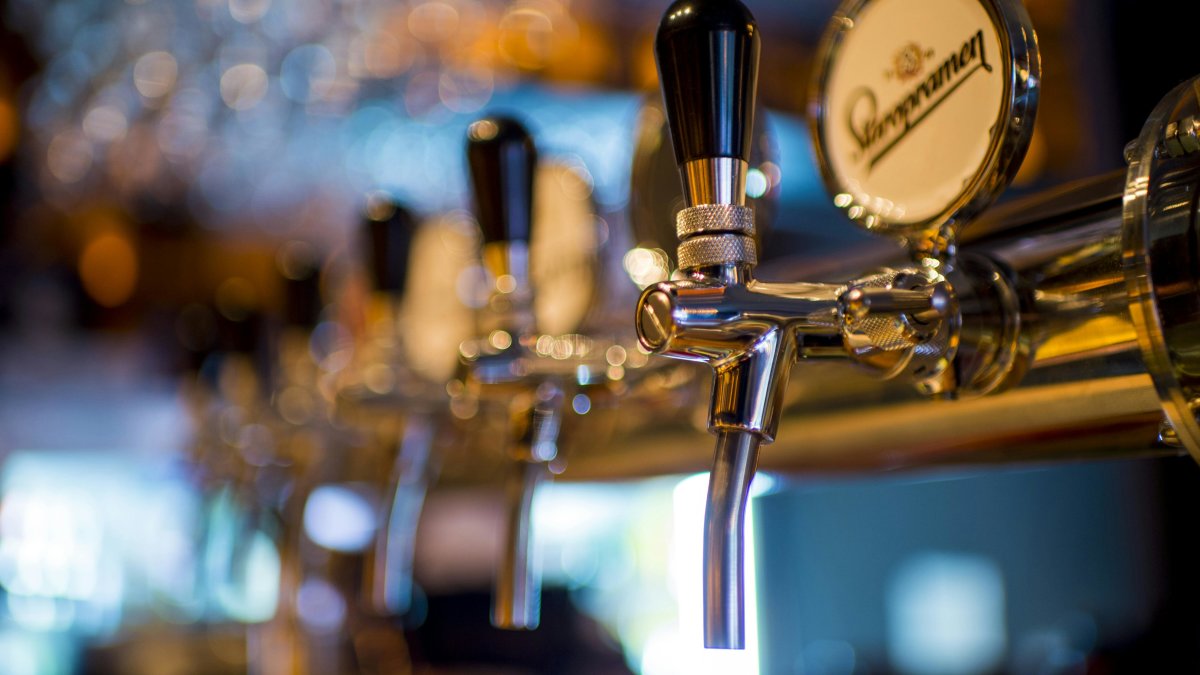
Inspectors work with what they can see, smell, and verify on paper. Beer lines run through tubing, and in a glycol draft beer system, much of that tubing is bundled inside insulated trunk lines, so the inside of a line rarely gets a visual check. What gets noticed instead:
- Visible residue, mold, or slime on faucet nozzles, couplers, and drip trays
- Ice machine interiors and scoop storage
- Glassware that looks cloudy, smells off, or is stored on dirty surfaces
- Chemical storage near food, ice, or clean glasses
- A cleaning record that is missing, outdated, or filled in the same day
Some health authorities publish their own draft line cleaning log forms, which shows the draft system is on the radar in more places than owners expect. Even where lines are not formally inspected, the visible parts and the paperwork tell the story.
Draft Lines and Tap Hardware Checklist
Dirty lines build biofilm, yeast, and beer stone, and that buildup is hard to spot from the outside. Standards exist for a reason. The Brewers Association recommends a two-week line-cleaning cycle and a cleaning log that is clearly visible to the retailer, wholesaler, and brewer.
Line length also affects foam, and a beer line length calculator shows how to match length to pressure, rise, and line size.
Beer Lines
- Lines cleaned within the last 14 days, with the date recorded
- Caustic cleaner circulated for the full contact time, then rinsed until clear
- Rinse water verified (pH strips are a common check) before beer goes back on
- Acid cleaning scheduled periodically to control beer stone
- Tubing replaced when it stays cloudy or smells off after cleaning
Higher-risk beverages such as ciders, sours, and kombucha leave more residue, so those lines may need cleaning more often than the standard cycle. A draft line cleaning service can set a schedule based on how fast each line turns over.
Faucets, Couplers, and FOBs
Lines get most of the attention, but the small parts collect the most visible residue.
- Faucets disassembled, scrubbed, and sanitized at each cleaning, not just wiped
- Couplers cleaned and gaskets checked for cracks
- FOB devices opened, cleaned, and reassembled
- FOB drain lines cleared of stagnant beer and sugar residue
- Drip trays emptied, washed, and dried daily
- No fruit flies or gnats around the tower or drain
If one tap keeps showing residue or foam after cleaning, the problem may be worn parts or an equipment fault, such as a CO2 regulator that no longer holds steady pressure.
Keg Cooler and Chemical Storage
- Keg cooler holding a steady temperature. The Brewers Association lists 34 to 38°F as the dispensing range for draught beer
- No mold on cooler walls, shelving, or condensate areas
- Line cleaners and acids labeled, sealed, and stored away from food, ice, and clean glassware
- Safety data sheets on hand for every chemical used
- Gloves and eye protection available wherever chemicals are mixed
Warm coolers cause quality and sanitation trouble at the same time. If your cooler is drifting, see why draft beer runs warm before it turns into a pour problem.
Ice Machine and Ice Handling Checklist
Ice goes into drinks, so it is treated as food. Bar ice is one of the most common weak spots because several people touch it during a busy shift.
- Dedicated scoop with a handle, stored in a clean, protected spot outside the ice
- No glassware used as a scoop, ever
- No bottles, cans, garnish trays, or product stored in the ice bin
- Hands washed before ice handling, with gloves changed when they get soiled
- Machine interior free of slime, pink or black growth, and mineral scale
- Cleaning and sanitizing done on the manufacturer’s schedule
- Water filters changed on schedule, with dates recorded
- Ice machine area clear of floor drainage backup and standing water
Inspectors look past the lid, so be sure to shine a flashlight inside the bin during your routine checks.
Glassware Checklist
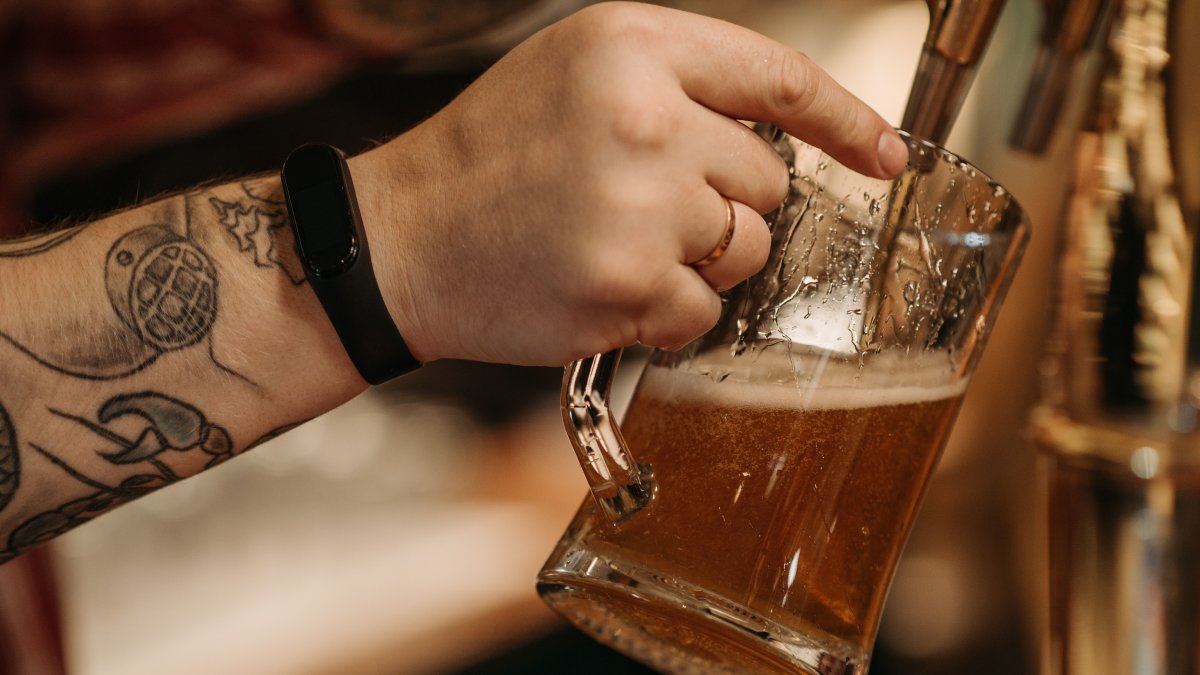
Glassware matters twice. It affects sanitation, and it affects the pour. Residue from soap, grease, or sanitizer also kills foam and can pass for a draft system problem. Staff should also know the steps for tapping a keg without foam, since a rough connection can cause the same symptom.
- Wash, rinse, and sanitize steps followed in the correct order
- Sanitizer concentration checked with test strips, and readings written down
- High-temperature or chemical dish machine verified on a regular schedule
- Glasses air-dried, not towel-dried
- Clean glasses stored on a clean, sanitized surface or rack, away from drains and splash zones
- Glasses handled by the base or lower stem, never by the rim
- Sheeting test run periodically: water should coat the inside of a clean glass evenly instead of breaking into droplets
- Chipped or cracked glasses removed from service
Keep beer glass washing separate from greasy kitchen items where possible. Detergent and grease residue are two of the most common reasons a clean-looking glass still pours flat.
Documentation Checklist: The Records Inspectors Expect
Paperwork is where many bars lose points. A line can be spotless, but without a record, nothing proves it. A complete bar file should include:
- Draft line cleaning log: date, lines cleaned, chemical used, who did the work, and rinse verification
- Ice machine cleaning and filter records
- Sanitizer test strip readings for sinks and dish machines
- Cooler temperature checks
- Safety data sheets for all cleaning chemicals
- Staff training records covering sanitation and chemical handling
- Vendor service records from any outside cleaning or repair visit
Post the draft log in the keg cooler or near the tower where it cannot be missed. A log filled out in one sitting right before an inspection looks exactly like what it is. Fill it in on the day the work happens.
Quick Reference: Bar Health Inspection Checklist
|
Area |
What to verify |
How often |
|
Draft lines |
Cleaned, rinsed, logged |
Every 14 days |
|
Faucets and couplers |
Disassembled and sanitized |
At each cleaning |
|
Drip trays and drains |
Emptied, washed, dried |
Daily |
|
Keg cooler |
Temperature steady, no mold |
Daily check |
|
Ice machine |
Interior clean, scoop stored correctly |
Per manufacturer, check daily |
|
Glassware |
Sanitizer verified, air-dried, handled by base |
Every shift |
|
Chemicals |
Labeled, stored apart from food, SDS on hand |
Ongoing |
|
Records |
Logs current and posted |
Each task |
Run a 15-Minute Self-Inspection Each Week
A short, repeatable walkthrough catches most problems before an inspector does.
- Start at the keg cooler. Check temperature, cleanliness, and the posted log date.
- Pull one faucet and one coupler. Look for residue, then confirm they were part of the last cleaning.
- Open the ice machine and check the bin, scoop storage, and interior walls.
- Run a sheeting test on three glasses from the rack.
- Test sanitizer strength in the bar sink or dish machine.
- Read the logs. Any gaps? Any entries that look rushed?
Assign this to a named manager or person in charge. Shared responsibility usually means nobody does it.
When to Bring in a Draft System Specialist
Some issues point past routine upkeep:
- Foam, off-flavors, or cloudy pours return soon after in-house cleaning
- One tap keeps showing residue even after the faucet is scrubbed
- Lines are older, discolored, or hard to rinse clear
- Staff turnover has made cleaning inconsistent
- Records are missing and the last true cleaning date is unknown
Frequently Asked Questions
How often do bars get health inspections?
Frequency depends on the jurisdiction and the venue’s risk profile. Some inspections are announced, but many are not. Ready-at-all-times habits matter more than last-minute cleaning.
What happens if a bar fails a health inspection?
Outcomes depend on the severity of the findings and local rules. Common results include corrective actions, a follow-up inspection, and in serious cases, fines or temporary closure. Fixing the root cause and documenting it helps on re-inspection.
Does a clean bar guarantee a passing inspection?
No. Inspections cover the whole facility, including kitchen, storage, restrooms, and staff practices. A clean bar area helps, but each area is evaluated on its own.
How long should draft line cleaning records be kept?
Retention rules vary by state, county, and city. Many operators keep records on file well beyond the most recent cleaning so they can show a consistent history. The local health department can confirm what applies in New York, New Jersey, or Connecticut.
Do wine, cocktail, or cold brew draft systems need the same checks?
Yes, any system that dispenses a beverage through lines, faucets, and couplers, including a cold brew kegerator setup, can build residue and needs a documented cleaning routine. Products with more sugar or live cultures often need attention more frequently. A draft specialist can recommend a schedule for each beverage type.
Get Your Lines Inspection-Ready
Keep the paperwork current and the equipment clean, and the draft system stops being a risk on inspection day.
Beer Line Cleaning USA services draft systems for bars, restaurants, breweries, hotels, and venues across New York, New Jersey, and Connecticut. Our technicians clean lines and the components that get missed, such as faucets, couplers, and FOBs, and they can spot worn parts before they cause a failed pour or a failed walkthrough.
Schedule draft system cleaning today.
Related Posts