Table of Contents
- What a Beer Tower Does in a Draft System
- T-Towers: The Standard Bar-Top Option
- Pass-Through Towers: Lines Through a Wall or Bar Top
- Glycol-Cooled Beer Towers: Built for Long-Draw Runs
- Tabletop and Countertop Towers
- Beer Tower Materials and Finishes
- Why a Beer Tower Causes Warm or Foamy First Pours
- How to Fix Warm or Foamy First Pours at the Tower
- Choosing the Right Beer Tower for Your Venue
- Frequently Asked Questions
- Get Your Beer Tower Pouring Cold From the First Pour
A beer tower is the last stretch of metal between a cold keg and a guest’s glass, and it is often the warmest part of the entire draft system. That is why a bar can have a spotless cooler, balanced pressure, and fresh kegs, yet still pour a foamy first pint every morning.
Choosing the right draft beer tower and knowing how it behaves under real service conditions protects pour quality, cuts product loss, and keeps staff from chasing problems at the regulator that actually live at the tap. For bars, restaurants, taprooms, and venues across New York, New Jersey, and Connecticut, the tower deserves the same attention as the walk-in.
Key Takeaways
- T-towers suit standard bar tops, while pass-through towers route lines through a wall or bar surface.
- A glycol-cooled beer tower keeps beer cold from the cooler to the faucet in long-draw systems.
- Tabletop towers fit small counters and self-pour setups but need careful cooling.
- Heat gain in the tower and shank is a leading cause of warm, foamy first pours.
- Insulation, cooling, and regular cleaning fix most tower-related foam.
What a Beer Tower Does in a Draft System
A beer tower holds the faucets and carries beer lines from the shank to the pour point. In a direct-draw setup, a refrigerated cabinet keeps the keg cold and cools the beer over the short run to the faucet. In long-draw systems, many operators use a walk-in cooler for the kegs, plus chilled glycol that circulates in tubes next to the beer lines all the way to the faucet.
The tower sits above the cold zone, in room air, under bar lights, and often near a window or a hot kitchen pass. Everything about tower design comes down to one question: how well does it keep beer cold in that exposed spot?
T-Towers: The Standard Bar-Top Option
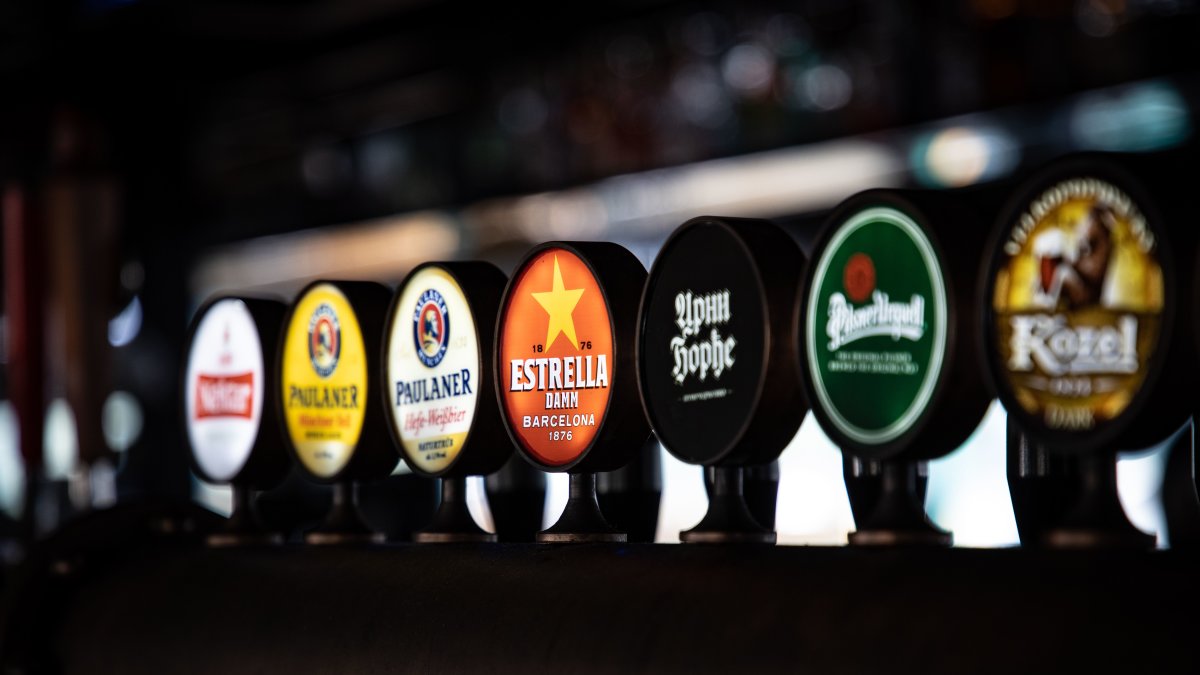
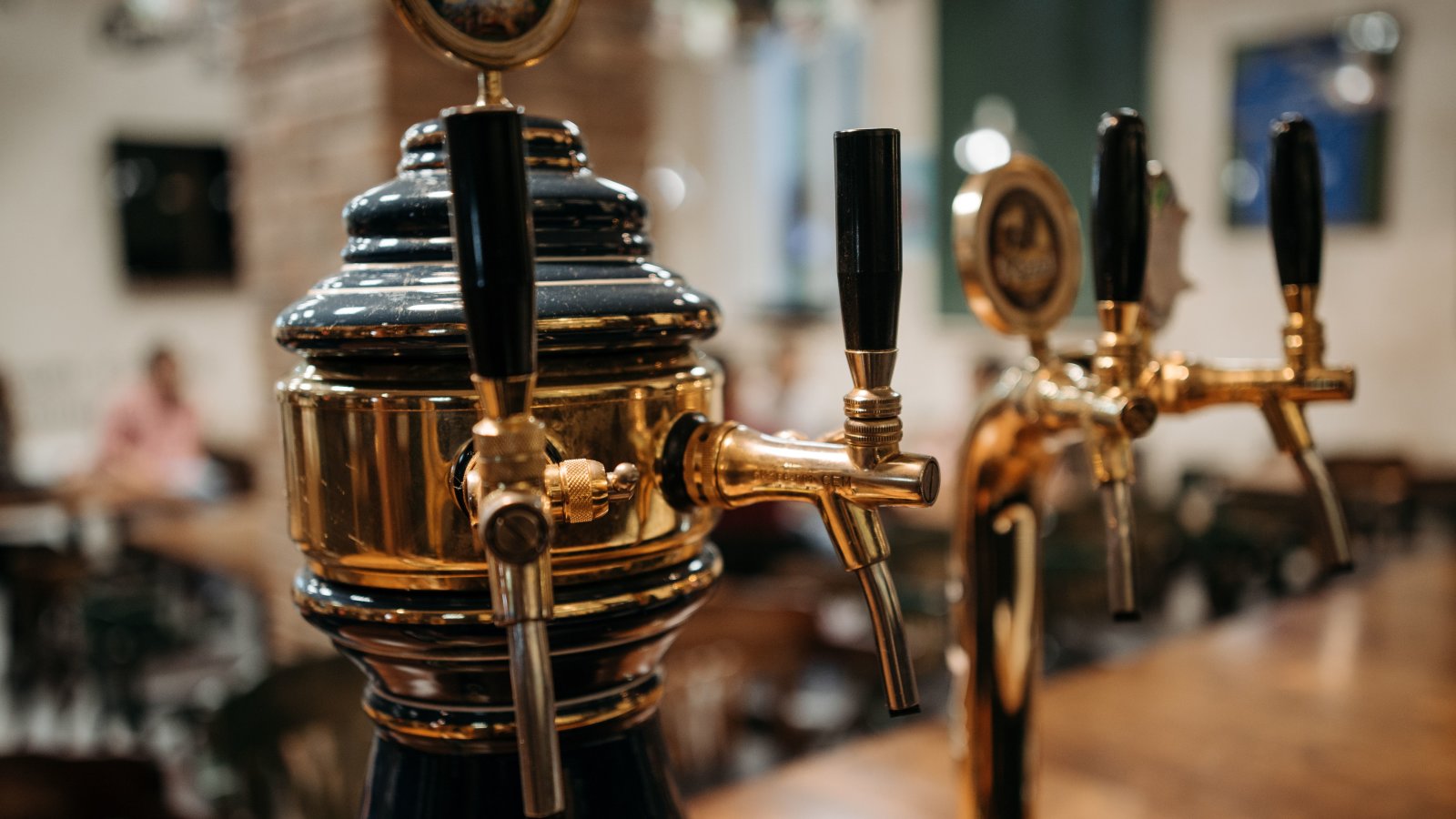
The T-tower is the style most guests picture. A vertical post rises from the bar top, and a horizontal bar crosses the top with faucets spaced along it. Some designs add a second row of faucets, and many have a rounded or “tapered” profile.
Where T-towers work well:
- Bars and restaurants with kegs in a cooler directly below or behind the counter
- Layouts that need several faucets in one visible spot
- Venues that want a branded, recognizable tap display
What to watch: The more metal exposed above the bar top, the more heat the tower picks up. A T-tower with no insulation or cooling support will often show the first-pour problem described below. In a direct-draw installation, a short, well-insulated run helps, and some towers use a cooling fan or air duct to move cold air up into the tower.
Pass-Through Towers: Lines Through a Wall or Bar Top
A pass-through tower (also called a through-the-wall or wall-mounted tower) sends beer lines through a wall, bar back, or bar top rather than up from a cabinet. The faucets sit on a wall plate or a low-profile tower, and the cooler or keg room sits on the other side.
Where pass-through towers work well:
- Bars where a walk-in cooler shares a wall with the service area
- Setups that want a lower profile and a clear sight line across the bar
- Venues that want faucets close to the cold box without taking up bar-top space
What to watch: The cold zone ends where the wall ends, so any unchilled gap between the cooler and the faucet can warm the beer. Line length, wall thickness, and insulation at the penetration all affect performance.
Glycol-Cooled Beer Towers: Built for Long-Draw Runs
A glycol cooled beer tower is part of a long-draw system where kegs sit far from the taps, such as a basement cooler serving a main-floor bar, a hotel lobby, or a stadium concourse. A power pack chills glycol, a trunk line carries it beside the beer lines, and the glycol continues into the tower, so beer stays cold right up to the faucet.
Why venues choose them:
- Cold beer over long distances and many taps
- Steadier temperature during peak service
- Better control over first pours after downtime
What to watch: A glycol system only performs as well as its weakest link. Insulation gaps, a struggling power pack, or glycol that does not reach the tower itself will bring back foam problems. The Brewers Association manual includes dedicated guidance on glycol chiller maintenance, and a trunk line that is damaged or poorly sealed will lose cooling before the beer ever reaches the shank.
Because glycol layouts depend on distance, tap count, and building access, they are typically designed alongside the rest of the system. Operators planning a new or relocated bar can work with a team that handles draft system installations from layout through commissioning, so the tower, trunk line, and cooling are matched from day one.
Tabletop and Countertop Towers
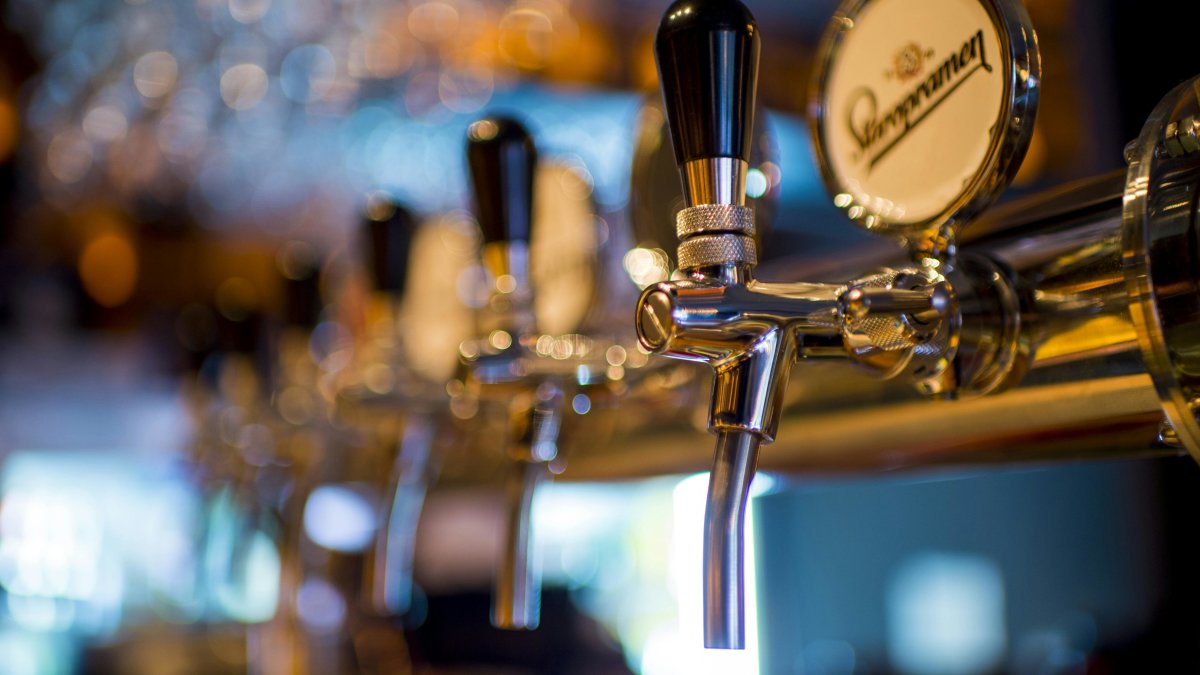
Tabletop towers are compact units that sit on a counter, a restaurant table, or a self-pour station. They are common in food halls, entertainment venues, golf simulators, and private lounges where a full bar build is not practical.
Where they work well:
- Smaller footprints and mobile service points
- Venues offering self-serve or table-side draft
- Spaces where beer lines can be routed discreetly to a nearby cooler
What to watch: Small towers have little thermal mass, so they warm quickly between pours. Line routing from the cooler matters more here than the tower itself. Tabletop and self-pour setups also need consistent cleaning, since guests and staff touch faucets and drip surfaces constantly.
Regular cleaning and maintenance also help venues prepare for inspections. Staff can review draft system requirements commonly checked during bar health inspections when establishing sanitation and equipment maintenance routines.
Beer Tower Materials and Finishes
Most commercial towers are stainless steel, which resists corrosion and wipes down easily. Others use chrome-plated brass, powder-coated surfaces, or decorative finishes such as brushed, polished, or custom wraps.
Finish affects appearance and cleaning routine more than it affects cooling. What matters for temperature is:
- Insulation inside the tower and shank, since metal conducts room heat toward the beer
- Tower height and exposed surface area
- Cooling support, whether that is a fan, chilled air, or glycol
A beautiful tower with weak insulation will still pour warm. Treat finish as a design choice and cooling as the operating requirement.
Why a Beer Tower Causes Warm or Foamy First Pours
Draft beer is most stable at a steady, cold temperature. The Brewers Association recommends dispensing at 34 to 38°F, and any rise between the cooler and the faucet can lead to foaming. The tower is where that rise most often happens, for these reasons.
Beer Sits in the Shank and Tower Between Pours
Beer left in the shank and tower overnight or during a slow stretch warms toward room temperature. The first pour pushes that warm beer out as foam, and the next pour looks fine because cold beer has replaced it. If the first glass is always the worst one, standing beer is the likely cause.
The Tower Sits Outside the Cold Zone
A beer tower rises above the bar top into room air, away from the cooler. Even when the cooler reads correctly, heat enters the tower and travels down the shank toward the beer. A tower that feels warm to the touch is a clear sign of heat gain above the cold zone.
Insulation or Cooling Gaps Let Heat In
Missing wraps, compressed foam, a stopped cooling fan, or glycol that never reaches the tower all leave beer exposed. A draft beer tower is only as cold as its weakest section of insulation or cooling. Small gaps matter most in towers with several faucets and long exposed runs.
One Worn or Dirty Faucet Can Foam on Its Own
When one faucet foams and the neighboring faucets pour clean, the problem is local. A worn seal, a pinched line, or uneven cooling at that spot is the usual culprit. Comparing the faucets side by side narrows it down quickly.
Foam can also result from problems during keg connection and dispensing. Staff who understand how to tap a keg without causing excess foam can rule out avoidable handling issues.
Sun and Ambient Heat Load the Tower
Foam that gets worse in summer or near a window points to outside heat. Sun, lighting, and warm air add to the load on the tower, which is especially common on patio bars and open-front restaurants. A tower that holds temperature in winter can fall behind once warm weather arrives.
Residue on Tower Parts Gives CO₂ a Place to Break Out
Temperature is not the only cause. Dirty faucets and tower components create rough surfaces where CO₂ breaks out of solution, so a system can foam even when temperature and pressure look right. The Brewers Association guidance calls for routine cleaning every 14 days, and that includes faucets, couplers, and other parts at the tower.
How to Fix Warm or Foamy First Pours at the Tower
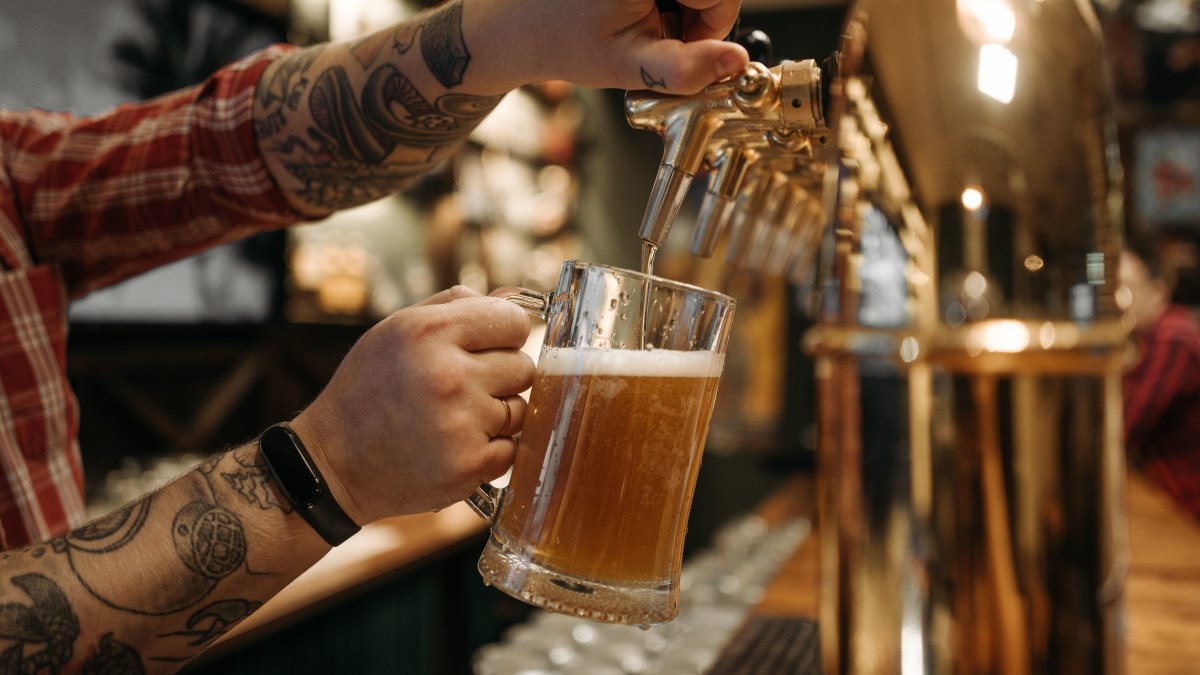
Work through the tower before touching pressure. Cranking the regulator up and down hides the real cause and often creates a second problem.
- Measure beer temperature at the faucet. Use a calibrated thermometer and check liquid temperature in a glass from the first pour, not just the air temperature in the cooler.
- Feel for warm spots. Check the tower, shank, and any section of line outside the cold zone.
- Check insulation and cooling. Look for gaps, compressed foam, missing wraps, or a cooling fan that has stopped running. On glycol systems, confirm the glycol is circulating and reaching the tower.
- Inspect and clean the faucets. Worn seals, sticky handles, and residue inside the faucet body all add foam.
- Review line length and restriction. Short or mismatched lines let beer reach the faucet too fast. A technician can balance them against your pressure and temperature.
- Keep heat sources away. Move lights, warmers, and equipment that blow heat across the tower, and shade patio setups when possible.
If temperature and line conditions appear normal, regulator configuration may need another look. Understanding primary, secondary, and dual-gauge CO2 regulator configurations can help identify how gas pressure is managed across the system.
If the first pour still foams after these checks, the issue usually involves system balance, a cooling shortfall, or a design mismatch between the tower and the run. That is when a professional inspection saves time and product.
Line resistance is another factor to review when troubleshooting inconsistent pours. Calculating the appropriate beer line length for balanced dispensing can help technicians assess whether the existing setup matches its pressure and temperature conditions.
Choosing the Right Beer Tower for Your Venue
|
Tower type |
Best fit |
Cooling approach |
Main risk |
|
T-tower |
Bars with kegs under or behind the counter |
Insulation, cooling fan, or chilled air |
Warm first pours from exposed metal |
|
Pass-through |
Bars with a cooler on the opposite side of a wall |
Short, insulated lines through the wall |
Gaps at the wall penetration |
|
Glycol-cooled |
Long-draw runs, large venues, many taps |
Glycol trunk line carried into the tower |
Glycol or insulation failures |
|
Tabletop |
Counters, self-pour, compact venues |
Short run from a nearby cooler |
Rapid warming between pours |
Distance from keg to faucet, tap count, volume, and room layout drive the decision. A shorter run with a handful of taps usually fits a direct-draw tower.
A long run, a crowded bar, or a high-volume venue points toward glycol cooling. Venues that serve more than beer, such as cold brew, kombucha, or wine on tap, should plan for product-specific lines and pressure too.
Venues adding coffee to their draft menus should also account for its different gas and dispensing requirements. A cold brew kegerator setup for commercial coffee service can require dedicated equipment and product-specific lines.
Frequently Asked Questions
How many faucets can a beer tower hold?
Towers range from a single faucet to large multi-faucet builds. The right count depends on the tower style, the number of beer lines available, and the cooling method. A technician can match faucet count to the system so every line stays properly cooled.
Can a direct-draw beer tower be converted to glycol-cooled?
Sometimes. It depends on the tower design, the distance to the kegs, and whether a trunk line and power pack can be added. A technician can review the layout and advise whether a conversion or a full replacement makes more sense.
Can a beer tower be used outdoors?
Yes, with planning. Sun, humid summers, and patio heat load the tower and shank, so insulation, shade, and cooling support matter more outdoors. Patio bars across New York, New Jersey, and Connecticut often need adjustments once warm weather arrives.
What is the difference between a beer tower and a shank?
The shank is the hollow metal piece that connects the beer line to the faucet, usually passing through the tower or wall. The tower is the housing that supports one or more faucets and shanks. Both can add heat if they are not insulated or cooled.
Do glycol-cooled beer towers need extra maintenance?
They do. The power pack, glycol level, trunk line, and insulation all need periodic checks in addition to regular line and faucet cleaning. Skipping them can bring foam problems back even when the lines are clean.
Get Your Beer Tower Pouring Cold From the First Pour
Warm first pours, uneven foam, and slow service at one faucet usually trace back to the tower, the cooling behind it, or buildup in the parts that guests never see. Whether you run a single T-tower, a through-the-wall setup, a glycol-cooled long-draw, or a compact tabletop station, we can inspect the full path from keg to faucet and show you where the heat or restriction is coming from.
Our team has completed 3,000+ installations across New York, New Jersey, and Connecticut and services draft systems for bars, restaurants, breweries, hotels, and event venues. We handle cleaning, repairs, and new builds, so one call covers the tower and everything behind it.
Related Posts