Professional beer line cleaning typically costs between $75 and $300 per session. The final price depends on the number of taps, system complexity, and your service provider. Understanding how much does beer line cleaning cost helps bar and restaurant operators budget accurately and avoid paying for subpar service.
Key Takeaways
- Per-session costs generally range from $75 to $300, with multi-tap commercial systems at the higher end.
- The Brewers Association recommends cleaning beer lines every two weeks to protect beer quality and comply with most health codes.
- System type matters: long-draw glycol systems cost more to clean than simple direct-draw setups.
- Bundled maintenance contracts often reduce per-visit costs compared to one-off service calls.
- Dirty beer lines affect pour yield, flavor, and equipment longevity, making cleaning a financial decision, not just a hygiene one.
- Beer Line Cleaning USA serves bars, restaurants, breweries, and venues across the NYC metro and Putnam County regions.
Table of Contents
- What Drives Beer Line Cleaning Costs
- Typical Price Ranges by Establishment Type
- How Much Does Beer Line Cleaning Cost by Frequency
- One-Off Service vs. Maintenance Contracts
- Things to Know
- Book Beer Line Cleaning for Your Business
What Drives Beer Line Cleaning Costs
Several factors determine how much does beer line cleaning cost for any given establishment. Knowing them helps operators compare quotes with confidence.
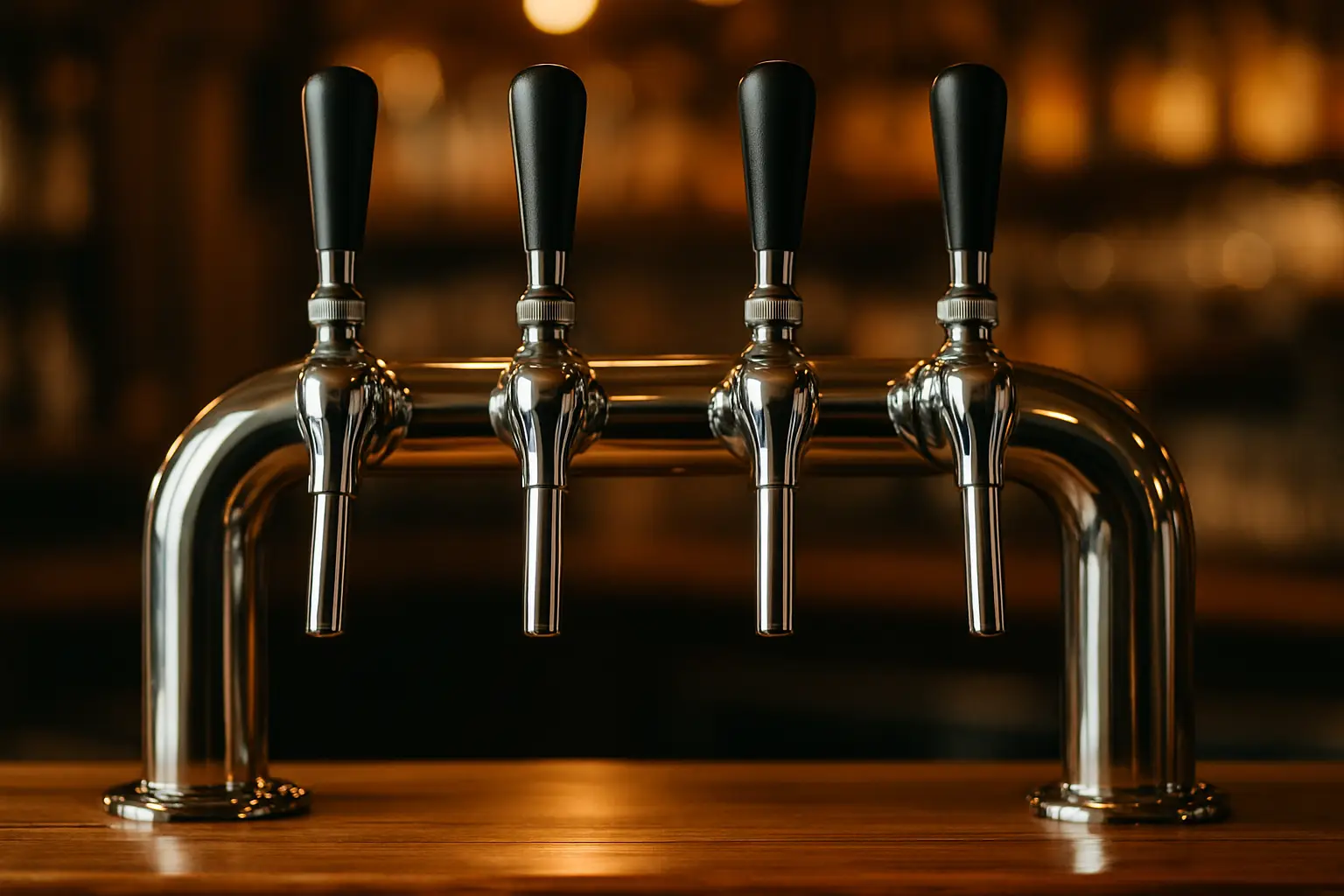
Number of taps. Cost scales directly with tap count. A small bar with four taps will pay considerably less per visit than a stadium suite running 20 lines. Most providers charge per tap or per line, with rates typically ranging from $10 to $25 per line depending on location and market.
System type. Direct-draw systems (where the keg sits directly under the tap) are straightforward to clean. Long-draw systems, where beer travels 25 feet or more through a glycol-cooled trunk line, require more time, chemicals, and expertise. Furthermore, the process behind glycol beer system installation putnam county illustrates why these systems carry higher ongoing maintenance costs.
Line length and condition. Additionally, longer runs accumulate more biofilm, yeast buildup, and beerstone deposits. Lines that have gone without cleaning longer than the recommended two-week cycle require more aggressive flushing. This increased labor and chemical use drives costs higher.
Location and travel. Service providers in dense urban markets like New York City or Brooklyn tend to charge more than rural operators. Their overhead, labor rates, and commute time factor into pricing. Operators in Westchester, Putnam County, and Fairfield County CT generally see pricing that sits between urban NYC rates and rural upstate figures.
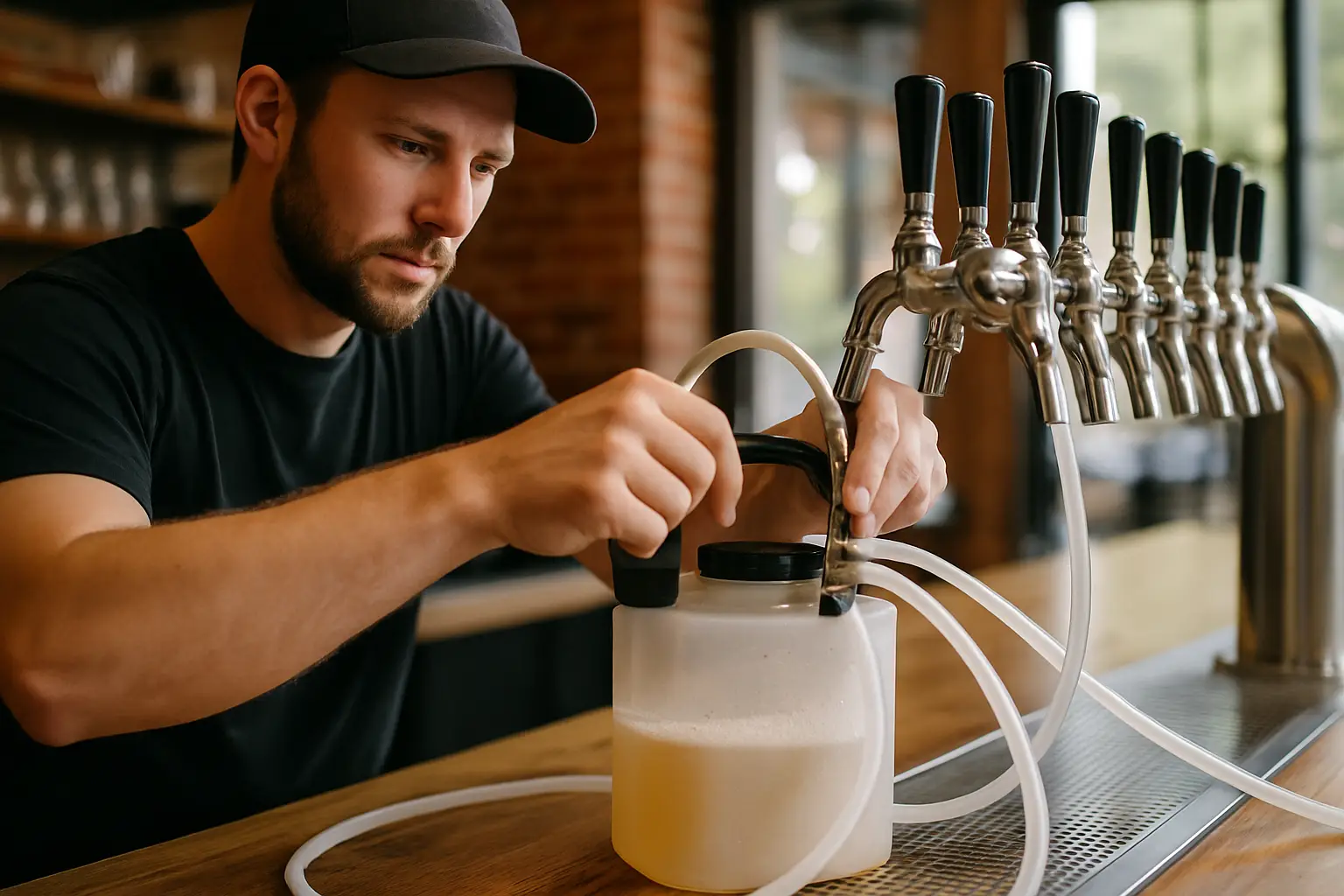
Chemical method vs. foam/ice. Recirculating cleaning with food-grade caustic solution is the industry standard. Additionally, draft beer system support putnam county providers can walk operators through the options that work best for their setup. Some providers offer foam cleaning or ice-cold water flushing as alternatives. However, industry guidance from the Brewers Association notes that caustic recirculation remains the most effective method for removing organic deposits.
Typical Price Ranges by Establishment Type
| Establishment Type | Average Taps | Estimated Cost Per Visit |
|---|---|---|
| Small bar or gastropub | 4-8 | $75 – $150 |
| Mid-size restaurant | 8-16 | $120 – $220 |
| Brewpub or taproom | 16-30 | $200 – $350 |
| Hotel or event venue | 10-20 | $150 – $280 |
| Stadium or large venue | 20+ | $300+ |
These figures reflect general market ranges. They can vary by region, system condition, and provider. Moreover, operators with questions specific to their setup can consult commercial draft beer system installation questions putnam county for system-specific context. This context affects both installation and ongoing cleaning costs.
How Much Does Beer Line Cleaning Cost by Frequency
The Brewers Association’s Draught Beer Quality Manual recommends cleaning beer lines every two weeks at minimum. Some high-volume operations clean weekly. This frequency standard exists because warm, moist beer lines are an ideal environment for bacteria, wild yeast, and mold to colonize.
Skipping cleanings does not save money in any practical sense. Instead, contaminated lines cause several problems:
- Off-flavors that lead to customer complaints and poured-out kegs.
- Excessive foaming, which reduces pour yield and wastes product.
- Accelerated wear on seals, faucets, and couplers, shortening equipment lifespan.
- Potential health code violations in states and municipalities that mandate regular cleaning intervals.
Across New York and New Jersey, local health codes frequently reference draft system sanitation requirements. Therefore, operators should verify current requirements with their local health department. Specific intervals and documentation standards vary by county.
Annual cleaning costs for a small bar running four taps on a bi-weekly schedule would total roughly $1,950 to $3,900 per year. That breaks down to 26 visits at $75 to $150 per visit. This number scales with tap count but should be weighed against keg losses from poor pours. Poor pours can quickly exceed the cost of regular service.
One-Off Service vs. Maintenance Contracts
Operators have two primary ways to purchase cleaning services. Understanding the trade-offs helps owners make a financially sound decision.
One-off service calls are flexible and require no commitment. They suit seasonal businesses, pop-up bars, or venues that only need cleaning occasionally. However, per-visit rates are higher. Scheduling can also be inconsistent during busy periods.
Maintenance contracts lock in a recurring schedule. Often they offer a reduced per-visit rate. Providers like Beer Line Cleaning USA offer bundled arrangements. These can include cleaning, minor repairs, and system checks in a single agreement. Moreover, for operators running events, the considerations around putnam county event draft support jockey box guide also factor into total service planning across a season.
For most bars and restaurants operating year-round with six or more taps, a contract arrangement typically delivers better value. You’ll also get more consistent results. The predictable scheduling simplifies health code compliance documentation.
Things to Know
- Certification matters. Ask whether the technician holds training to Brewers Association or equivalent standards. Certification signals consistent, documented cleaning procedures.
- Chemicals should be food-grade. Cleaning solutions require thorough flushing before the system goes back into service. Request documentation of the cleaning products used.
- Line cleaning does not include full system sanitization. Faucets, couplers, and keg connectors require separate periodic disinfection. Confirm what is and is not covered in any service quote.
- Foam complaints are often a cleaning issue. If staff report persistent foaming between scheduled cleanings, that usually signals the interval needs to shorten. You won’t need to replace the system.
- Geography affects availability. In markets like Putnam County and the broader NYC metro, experienced commercial draft technicians are more accessible than in rural areas. This affects both cost and scheduling flexibility.
Book Beer Line Cleaning for Your Business
Beer Line Cleaning USA provides professional draft line cleaning, system installation, repairs, and equipment rentals. We serve bars, restaurants, breweries, taprooms, hotels, and event venues across New York, New Jersey, and Connecticut. Whether operating a four-tap neighborhood bar or a multi-line taproom in the NYC metro, consistent professional cleaning protects product quality. Additionally, it keeps systems compliant. Reach out today to get a quote tailored to the tap count and system type.
Frequently Asked Questions
Q: How often should beer lines be professionally cleaned?
A: The Brewers Association recommends cleaning every two weeks at minimum. High-volume establishments may benefit from weekly cleaning. Longer intervals allow yeast, bacteria, and beerstone to accumulate. This directly impacts beer flavor and pour quality.
Q: Can a bar owner clean their own beer lines?
A: Yes, but professional cleaning is recommended for consistent results and compliance documentation. DIY cleaning kits are available. However, improper technique, incorrect chemical concentrations, or missed components can leave contamination behind. For health code purposes, third-party documentation from a certified provider carries more weight.
Q: Does line cleaning cost more for glycol systems?
A: Yes, long-draw glycol systems typically cost more to clean due to greater line length, complexity, and time required. The trunk lines, python bundles, and additional fittings in a glycol system add labor time compared to a simple direct-draw kegerator setup.
Q: What happens if beer lines are not cleaned regularly?
A: Unclean lines develop biofilm, wild yeast, and mold that cause off-flavors, excessive foam, and potential health violations. Beyond the flavor impact, contaminated systems shorten equipment lifespan. Furthermore, they expose operators to liability under local health codes.
Q: How much does beer line cleaning cost for a small bar annually?
A: A small bar with four to six taps can expect to spend roughly $1,950 to $4,700 per year on bi-weekly professional cleaning. That estimate assumes 26 service visits at rates consistent with the NYC metro and surrounding suburban markets. Actual costs depend on tap count, system type, and the service agreement in place.