Draft beer quality starts with clean lines. Moreover, the Brewers Association recommends that beer line cleaning frequency follow a minimum schedule of every two weeks for lines serving standard ales and lagers. This industry standard directly affects pour quality and customer satisfaction.
Key Takeaways
- The industry standard for beer line cleaning frequency is every 14 days, though high-volume or specialty tap operations may require more frequent service.
- Dirty lines produce off-flavors, cloudy pours, and excessive foam — all signs of bacterial or yeast buildup inside the tubing.
- Glycol-cooled long-draw systems have specific cleaning needs that differ from direct-draw setups, particularly around the trunk line and FOB detectors.
- Skipping scheduled cleanings can cause permanent damage to lines and fittings, leading to costly replacements.
- Professional cleaning services provide documentation, proper chemical concentrations, and equipment checks that in-house staff often miss.
- Jockey boxes and event tap setups require cleaning before and after every use, not just on a routine cycle.
The Industry Standard and Beer Line Cleaning Frequency Drivers
The Brewers Association’s Draught Beer Quality Manual is widely considered the authoritative reference on maintaining draft systems in the United States. It sets the baseline recommendation at cleaning draft lines every two weeks. This interval reflects the rate at which beer stone, yeast residue, mold, and bacteria colonize the interior surfaces of vinyl or polyethylene tubing under typical serving conditions.
However, this schedule does not account for variation in system type, beer style, and serving volume. A high-traffic taproom pouring 20-plus kegs per week faces different contamination dynamics than a restaurant running two taps with modest turnover. Therefore, several factors push the recommended beer line cleaning frequency higher.
Factors that shorten the cleaning interval:
- High-gravity or hop-heavy beers (IPAs, stouts, sours) leave more residue and may require weekly cleaning.
- Slow-moving taps where beer sits in the line for extended periods allow bacteria to multiply faster.
- Warm or fluctuating temperatures, especially in lines that run through non-refrigerated spaces.
- Long-draw glycol systems with extensive trunk lines that accumulate buildup farther from the faucet.
- New line installations during the break-in period, when residue from manufacturing can affect flavor.
For venues that need professional guidance on system setup alongside their maintenance plan, addressing questions about commercial draft beer system installation in Putnam County can help clarify how installation decisions directly affect how easy or difficult a system is to clean and maintain over time.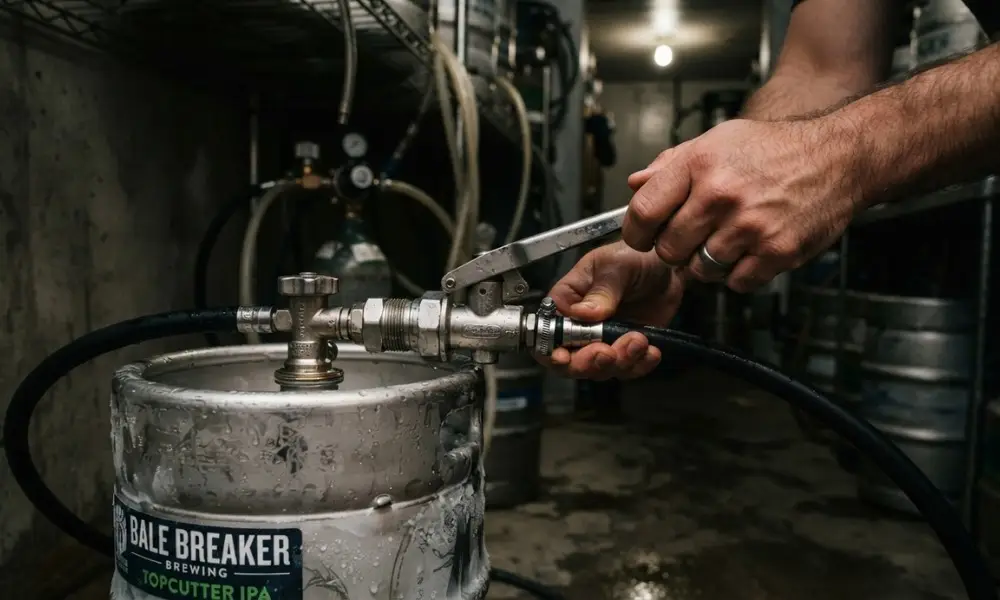
What Happens When Beer Line Cleaning Frequency Standards Are Ignored
Neglecting beer line cleaning frequency doesn’t just affect taste — it creates a genuine food safety concern. Beer lines provide a warm, nutrient-rich environment that supports the growth of organisms including Lactobacillus, Pediococcus, and wild yeast strains. These microorganisms produce lactic acid and other compounds that make beer taste sour, buttery (diacetyl), or flat.
Beyond flavor, contaminated lines also lead to excessive foaming caused by CO2 being released prematurely from degraded beer. A single bad pint is enough to lose a customer’s trust. In competitive markets like New York City or Westchester, that matters significantly.
Physically, neglected lines accumulate beer stone (calcium oxalate deposits) that bond to the inner wall of the tubing. Additionally, once beer stone builds up significantly, standard caustic cleaning alone cannot remove it. Acid rinses become necessary, and in severe cases, lines require complete replacement.
Here is a breakdown of contamination progression over time without cleaning:
| Time Without Cleaning | Likely Effects |
|---|---|
| 0-7 days | Minimal change; beer flavor stable |
| 7-14 days | Early yeast and bacteria growth; slight off-flavors possible |
| 14-21 days | Noticeable taste degradation; foam issues begin |
| 21-30 days | Significant bacterial load; beer stone formation starts |
| 30+ days | Potentially unsafe product; possible line damage |
This table reflects general industry guidance and will vary depending on system design, beer type, and temperature control.
Cleaning Methods and Beer Line Cleaning Frequency Implementation
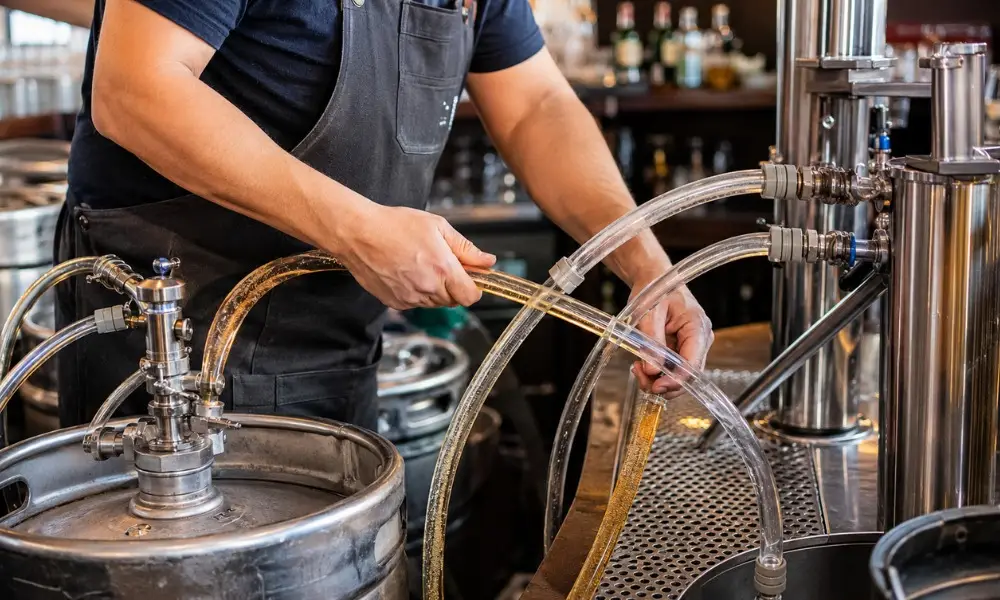
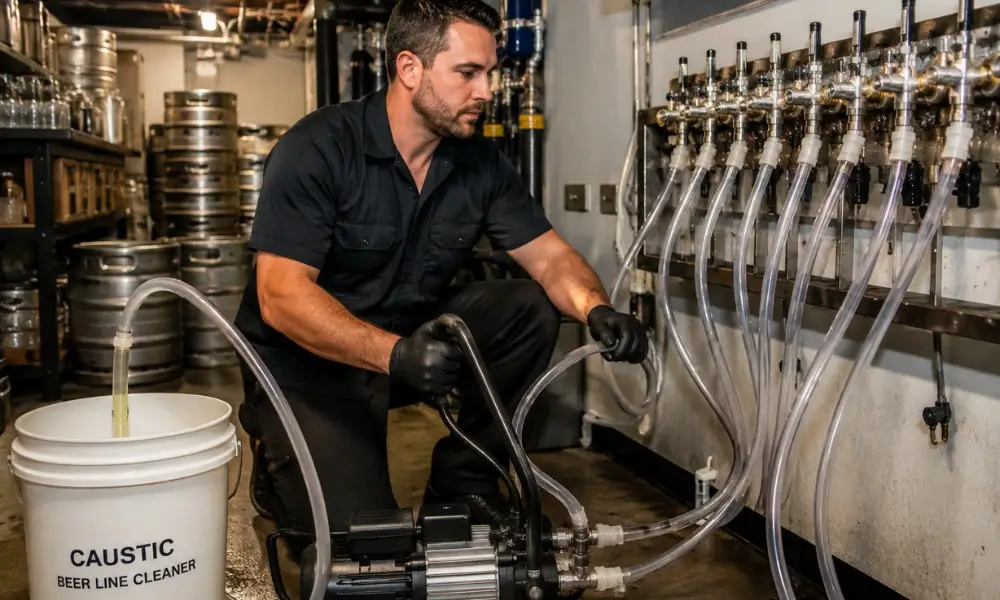
Professional beer line cleaning involves much more than flushing water through a tap. A proper cleaning cycle circulates an alkaline or caustic solution (typically sodium hydroxide-based) through the line at the correct concentration and temperature for an appropriate contact time, usually around 15 minutes minimum. The line is then rinsed, inspected, and sometimes treated with an acid rinse to address mineral deposits.
Key components cleaned during a professional service include faucets, couplers, FOB detectors, keg connectors, and all tubing between the keg and the tap. Furthermore, each of these surfaces can harbor contamination if overlooked.
For venues operating glycol cooling systems, the cleaning scope expands. Understanding glycol beer system installation in Putnam County can provide insight into how these systems are built, which directly affects the level of complexity involved in cleaning them properly.
The trunk line, glycol chiller connections, and the barrier tubing around the beer lines all require specific attention. Improper cleaning of a glycol system can compromise temperature control and create contamination points that are difficult to identify without experience.
Event and Temporary Tap Setups: Different Beer Line Cleaning Frequency Standards
Venues and caterers that use portable draft equipment operate under different rules than permanent bar installations. Jockey boxes, portable kegerators, and temporary event taps do not follow the same two-week cleaning cycle because they are used intermittently. This Putnam County event draft support and jockey box guide outlines proper handling, setup, and post-event cleaning procedures for temporary draft equipment.
The correct standard for these setups is to clean before first use and immediately after each event, without exception. Beer left sitting in a jockey box coil or a portable tap line — even for a day or two — can begin the contamination cycle quickly, especially if the equipment is stored at room temperature.
For anyone managing event-based draft service in the region, having access to professional guidance and support helps ensure equipment is handled correctly. Businesses operating across multiple venues or running regular events should partner with a professional service to handle cleaning documentation and equipment checks systematically, rather than relying on staff who may not be trained on chemical handling or line inspection.
Choosing a Professional Cleaning Partner for Beer Line Cleaning Frequency
For bars, restaurants, breweries, taprooms, hotels, and stadiums across New York, New Jersey, and Connecticut, Beer Line Cleaning USA provides scheduled draft line cleaning, system maintenance, repair, and consulting. The company’s service area covers Putnam County, the broader NYC metro region, Westchester, Brooklyn, Queens, and Fairfield County, CT.
Understanding the scope of draft beer system support in Putnam County helps businesses identify the ongoing services available to maintain consistent pour quality and follow recommended cleaning intervals without handling maintenance in-house.
Professional cleaners also bring accountability. In addition, a reputable service provides written documentation of each cleaning visit, including chemical concentrations used, contact times, and any equipment issues identified. This paper trail matters for food safety compliance and helps identify trends in system performance before they become costly problems.
Things to Know
- The Brewers Association’s Draught Beer Quality Manual is the primary U.S. industry reference for draft system sanitation standards.
- Caustic cleaning solutions used in professional line cleaning are regulated substances; improper handling can cause injury, so staff training or professional service is essential.
- Beer line cleaning frequency may need to increase after system repairs, new keg coupler installations, or seasonal high-volume periods like summer or major sporting events.
- Not all cleaning products are compatible with all line materials; older vinyl lines and newer barrier tubing have different chemical tolerances.
- Some state health codes reference draught beer sanitation in their food service regulations; operators should confirm local requirements with their jurisdiction.
Keep Your Draft System in Top Shape
Beer Line Cleaning USA works with bars, restaurants, breweries, and event venues across the New York metro area and Putnam County to keep draft systems clean, compliant, and producing quality pours. Request a quote today and get a cleaning schedule tailored to your specific system and volume. Reach out now to set up your first professional cleaning visit.
Frequently Asked Questions
Q: How often should beer lines be cleaned in a bar?
The industry standard for beer line cleaning frequency is every 14 days.
The Brewers Association recommends this interval as a baseline for most draft systems. High-volume bars, those serving specialty or high-gravity beers, or operations with long-draw systems may need weekly cleaning to maintain pour quality and food safety standards.
Q: Can dirty beer lines make customers sick?
Contaminated draft lines can harbor bacteria that affect the safety and quality of the product being served.
While beer’s alcohol content provides some antimicrobial effect, it does not fully protect against all organisms that grow in draft lines. Lactic acid bacteria and wild yeasts can produce compounds that cause illness symptoms alongside unpleasant flavors, particularly in low-ABV or non-alcoholic beverages served through the same system.
Q: What is the difference between a line rinse and a full clean?
A rinse flushes debris from the line but does not sanitize it; a full clean uses a caustic or alkaline chemical solution to kill bacteria and remove buildup.
Rinsing between kegs is a common practice but should not replace scheduled deep cleaning. Only a full chemical cleaning cycle, followed by proper rinsing and inspection, meets the Brewers Association’s quality standard.
Q: Does a glycol draft system need to be cleaned differently than a direct-draw system?
Yes, glycol long-draw systems have additional components, including trunk lines and FOB detectors, that require specialized cleaning procedures.
The extended run of line in a long-draw system creates more surface area for contamination and beer stone buildup. Professional technicians familiar with glycol system architecture are better equipped to clean these installations thoroughly and safely.
Q: How should jockey boxes be cleaned after an event?
Jockey boxes must be flushed, cleaned with an appropriate sanitizing solution, and fully dried before storage after every single use.
Beer left in the coils or fittings of a jockey box can begin supporting bacterial growth within hours, especially at ambient temperatures. Cleaning before and after each event is non-negotiable for maintaining product quality and protecting equipment longevity.