What’s In This Guide
- What Is a Commercial Draft Beer System, and Why Should You Plan It Before Buildout?
- Does Keg-to-Tap Distance Determine Which Commercial Draft System You Need?
- What Type of Draft System Fits a Bar, Restaurant, or Event Venue?
- What Should You Ask a Draft System Installer Before Committing?
- How Do You Plan a Commercial Draft Beer System Buildout From Start to First Pour?
- How Much Does Commercial Draft Beer System Installation Cost in Putnam County?
- Frequently Asked Questions
- Ready to Plan Your Commercial Draft Beer System Installation in Putnam County?
Opening a bar or venue in Putnam County without a clear draft beer infrastructure plan can turn into an expensive buildout mistake. System type, line routing, refrigeration, gas setup, and cleaning access are much harder and more expensive to change after the first keg is tapped.
Here are the core questions every prospective bar or venue owner should answer before committing to a commercial draft beer system installation.
Quick Facts
- Keg-to-tap distances of 25 feet or longer typically call for a glycol-cooled long-draw system.
- Direct-draw installations can start in the low thousands, while long-draw systems typically scale significantly higher.
- Draught beer lines should be cleaned at least every two weeks (14 days), and operators should check local requirements for any stricter schedule.
- System scalability, line balancing, and written documentation should be confirmed before any installer is hired
What Is a Commercial Draft Beer System, and Why Should You Plan It Before Buildout?
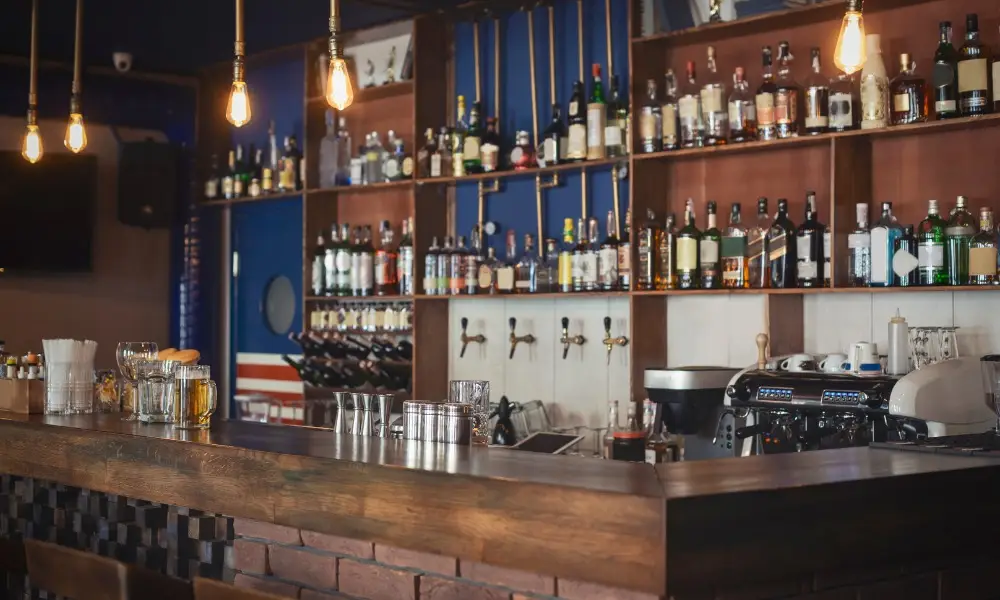
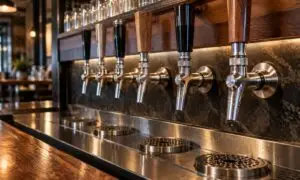
A commercial draft beer system is not a faucet attached to a keg. The full system includes refrigeration, gas regulation (CO2 or blended gas), beer lines, couplers, beer towers, and in many cases, glycol cooling. Every component must work together to maintain temperature, pressure, and carbonation from keg to glass.
The build decision matters before lease signing or final buildout approval because the physical layout determines which system type is viable. Keg storage placement, tap location, ceiling height, wall access for line routing, utility access, and available square footage for refrigeration all affect installation scope, cost, and long-term serviceability.
Does Keg-to-Tap Distance Determine Which Commercial Draft System You Need?
Yes. Keg-to-tap distance is one of the most important variables in any draft beer system installation decision.
- Under 25 feet: A short-run setup may be viable, depending on the exact layout, refrigeration, and tap placement. Direct-draw systems work best when kegs are stored very close to the faucets, such as in a kegerator, under-bar unit, or adjacent walk-in cooler.
- 25 feet or longer: A glycol-cooled long-draw system is typically recommended. A glycol chiller circulates coolant through insulated trunk lines alongside the beer lines, helping maintain serving temperature from keg storage to the taps.
Bars, restaurants, and event venues in older or converted buildings often have cooler placement constraints, limited wall access, or line-routing challenges that make keg storage difficult to place directly beside the bar. In those layouts, a properly designed long-draw glycol system is often the most practical way to maintain beer temperature, reduce foam waste, and support consistent pours across multiple taps.
What Type of Draft System Fits a Bar, Restaurant, or Event Venue?
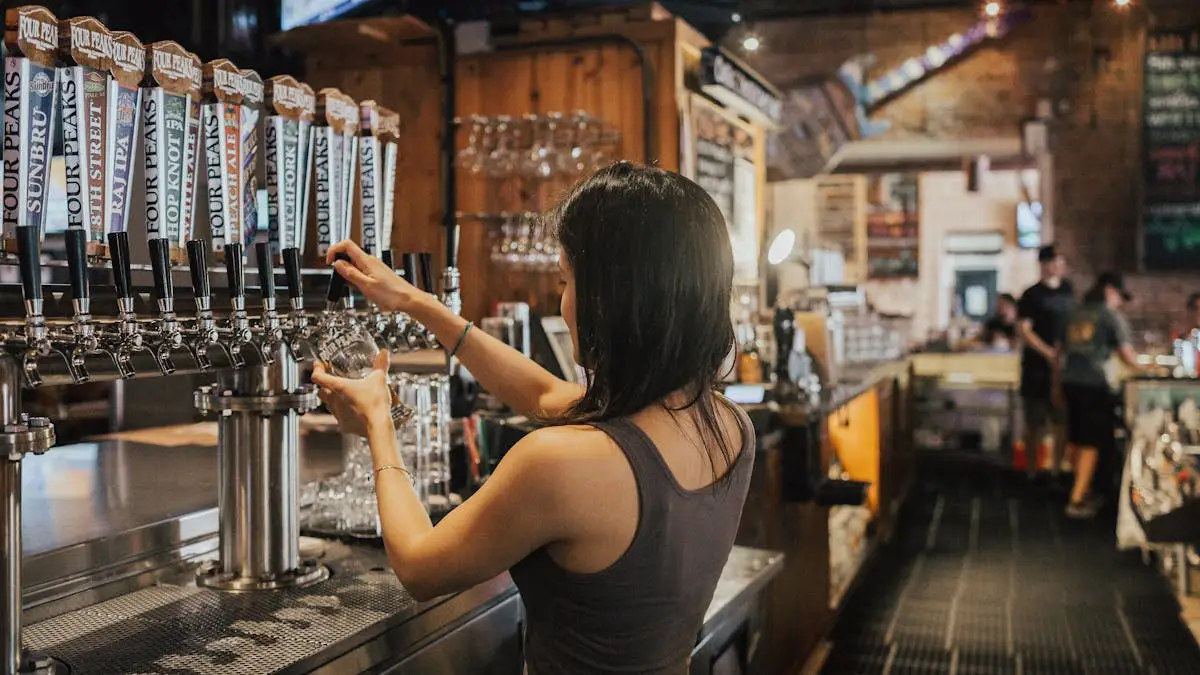
The right system depends on venue size, volume, and layout.
|
System Type |
Best Fit |
Key Consideration |
|
Direct-draw |
Small bar, café, taproom |
Short keg-to-tap distance |
|
Long-draw (glycol) |
Full-service bar, restaurant, event venue |
Extended line runs and multi-tap setups |
|
Kegerator |
Office, small event space |
Low capacity and limited tap count |
Multi-tap setups serving a rotating craft beer selection add complexity. Different carbonation levels, product types, and beer styles may require individual line balancing.
Restaurant draft beer systems that are installed without accounting for product variety can produce inconsistent pours across taps, even when the hardware itself is correct.
What Should You Ask a Draft System Installer Before Committing?
About Credentials and Experience: Is This Installer Qualified to Handle a Commercial Build?
Verify installation volume, local relationships, and certifications before signing anything. Vague answers about “years in the industry” without project volume, relevant examples, or references should be treated as a warning sign.
How many commercial draft beer system installations have you completed?
Commercial builds involve variables that small-scale installs do not. Confirmed volume, relevant venue experience, and verifiable local references are the baseline for qualification.
Do you work with local distributors and breweries in the Putnam County area?
Local distributor relationships can affect system configuration, product compatibility, and troubleshooting speed. An installer already familiar with regional accounts reduces guesswork during setup and speeds up resolution when issues surface mid-service.
Are your technicians certified or trained to manufacturer standards?
Certification matters most for glycol calibration, blended gas configuration, and flow rate verification. These are the steps that determine whether the system performs correctly from day one.
About System Design: Will This System Actually Work for Your Specific Build?
If an installer quotes a system without asking about your product lineup, layout, or growth plans, the quote may not reflect the actual performance needs of the venue.
How will you balance the system for the beer styles planned for service?
A balanced draught dispensing system should deliver clear-pouring beer at about two ounces per second, or roughly eight seconds for a pint. Different beer styles may require different pressure and resistance adjustments, so system balancing should account for the planned tap list rather than relying on one blanket PSI setting.
Can the system expand if tap count increases later without a full reinstall?
A system that cannot scale forces a costly reinstall down the line. Scalability should be a design requirement from the start, not an afterthought addressed after the walls are closed.
How is the glycol chiller sized for the specific line run distance?
An undersized chiller may struggle to maintain the standard U.S. draft beer range of 36 to 40°F across the full trunk line, and pressure adjustments will not solve a temperature issue. Correct sizing depends on run distance, line count, and conditions along the route.
About Ongoing Support: What Happens After the Install Is Done?
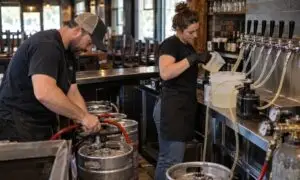
The installer relationship should not end at commissioning. A commercial draft system requires ongoing professional cleaning, maintenance, and documentation.
Do you offer scheduled beer line cleaning contracts after installation?
A technician already familiar with the system can perform cleaning visits more efficiently, catch developing issues earlier, and reduce the gaps that lead to off-flavors, foam problems, sanitation concerns, and service interruptions.
What is your response process when a tap goes down during service?
When a tap goes down during service, response time directly affects revenue, waste, and guest experience. A provider that regularly serves Putnam County and nearby accounts is better positioned to respond quickly and arrive with common replacement parts on the service vehicle.
Will you provide written documentation of PSI settings, line lengths, and cleaning schedules?
Without written records, any technician servicing the system after the original installer has less context for troubleshooting. Complete documentation should be a standard deliverable from a qualified installer. If it is not offered upfront, make it a contract condition before work begins.
How Do You Plan a Commercial Draft Beer System Buildout From Start to First Pour?
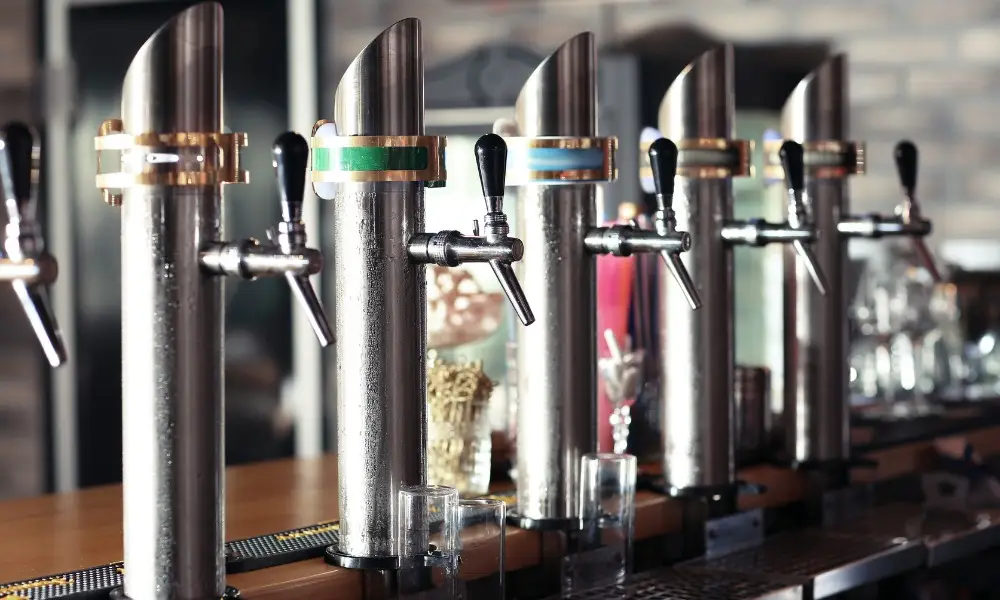
Planning a draft system buildout requires a clear sequence. Reordering or skipping steps is where most operators run into expensive problems.
Map Your Physical Space
Identify keg room location, bar placement, and the most direct path for line routing. Note structural obstacles and areas where lines would be exposed to ambient heat.
Measure Keg-to-Tap Distance
Use the 25-foot threshold to determine whether a direct-draw or glycol-cooled system is the better fit. Underestimating distance leads to under-built systems and recurring foam.
Decide on Tap Count and Beer Variety
Each additional tap adds a line, a regulator zone, and a pressure balancing requirement. Bars planning a rotating craft selection need a system designed for flexibility from the start.
Size and Select Refrigeration
Walk-in coolers support higher volume and cleaner line runs. Under-bar or back-bar refrigeration works for smaller setups but limits keg capacity and can complicate maintenance access.
Source and Specify System Components
Towers, faucets, couplers, regulators, and gas manifolds must match the system design. Mismatched components create restriction imbalances that produce foam or slow pours.
Schedule Installation and Calibration
Installation and calibration ensure the system is set up correctly, with flow rates, temperatures, and pressure settings aligned to the overall design.
Establish a Cleaning and Maintenance Plan
A regular cleaning schedule helps maintain beer quality, system performance, and long-term reliability from the first pour onward.
➤ READ NEXT: Commercial Beer Line Cleaning for Hospitality Businesses
How Much Does Commercial Draft Beer System Installation Cost in Putnam County?
Commercial draft beer system installation costs vary by system type, tap count, line distance, refrigeration, equipment selection, site access, and labor. Direct-draw systems are generally less complex than glycol long-draw systems, but a site assessment is the only reliable way to price a specific buildout.
Key cost drivers include:
- Number of taps (each tap adds hardware, a line run, and balancing labor)
- Keg-to-tap distance (longer runs may require glycol chillers and insulated trunk lines)
- Refrigeration type (walk-in coolers cost more upfront but can support higher-volume service)
- Component quality (commercial-grade faucets, regulators, couplers, towers, and gas systems affect durability and performance)
- Site conditions, utility access, and any building, plumbing, electrical, or health-code requirements that apply to the project
Frequently Asked Questions
How long does a commercial draft beer system installation take?
Most direct-draw installations are completed in one to two days. Long-draw glycol systems with multiple taps and extended line runs typically take two to four days depending on site conditions and tap count.
Can restaurant draft beer systems dispense wine, cold brew coffee, or kombucha?
Yes. Commercial draft systems can be designed for beer, wine, cocktails, cold brew, kombucha, cider, water, and other beverages, but each product needs the right line material, pressure configuration, gas blend, and cleaning protocol to protect flavor and equipment performance.
Do I need a glycol system if my keg storage is close to the bar?
Not usually, as long as the keg-to-tap distance is under 25 feet and refrigeration maintains a consistent 36–38°F throughout the line run. Beyond that threshold, glycol cooling is often recommended to maintain temperature and pour consistency.
How soon after installation should beer lines be flushed or cleaned for the first time?
Before product service begins. New or newly installed components should be flushed and cleaned according to the installer’s procedure so dust, manufacturing residue, lubricants, or installation debris do not affect flavor, sanitation, or system performance.
What happens if draft beer lines are not cleaned on a regular schedule after opening?
Neglected lines accumulate yeast, bacteria, and beer stone. These deposits create nucleation points where CO2 escapes prematurely, generating excess foam. The buildup also introduces off-flavors (sour, buttery, metallic) and can create sanitation concerns in commercial food service environments.
Ready to Plan Your Commercial Draft Beer System Installation in Putnam County?
Getting the installation right before opening day is easier and more cost-effective than correcting a poorly designed system after the fact. Beer Line Cleaning USA can help plan, install, clean, repair, and maintain a draft system built around your layout, product lineup, and long-term service needs.
Beer Line Cleaning USA provides draft system installation, cleaning, repairs, maintenance, and consulting for bars, restaurants, breweries, cafés, stadiums, event venues, and hospitality businesses in Putnam County and surrounding NY, NJ, and CT service areas.