Beer stone removal from lines is the process of dissolving calcium oxalate deposits that accumulate inside draft beer tubing using alkaline or acid-based cleaning solutions. Left untreated, these mineral deposits harbor bacteria and compromise beer flavor. Moreover, they accelerate equipment wear across an entire draft system.
Table of Contents
- What Beer Stone Actually Is
- How Beer Stone Forms in Draft Lines
- The Cleaning Process: What Effective Beer Stone Removal Looks Like
- Alkaline vs. Acid Cleaners: A Practical Comparison
- Things to Know
- When DIY Cleaning Falls Short
Key Takeaways
- Beer stone is a calcium oxalate mineral deposit, not simple dirt. It requires specific chemical treatment to dissolve.
- Standard alkaline line cleaning handles organic buildup but does not remove beer stone without an acid rinse step.
- According to Brewtiful Lines (2025), beer stone layers can begin forming in as little as 2 to 3 weeks inside active draft lines.
- The Brewers Association has found that many draft systems test positive for bacteria and yeast even after “regular” cleaning routines.
- Fewer than 40% of breweries maintain OSHA-compliant standard operating procedures for line cleaning, according to Bernicks (2025).
- Professional cleaning services provide the chemical expertise and equipment pressure ratings that in-house staff often cannot deliver.
What Beer Stone Actually Is
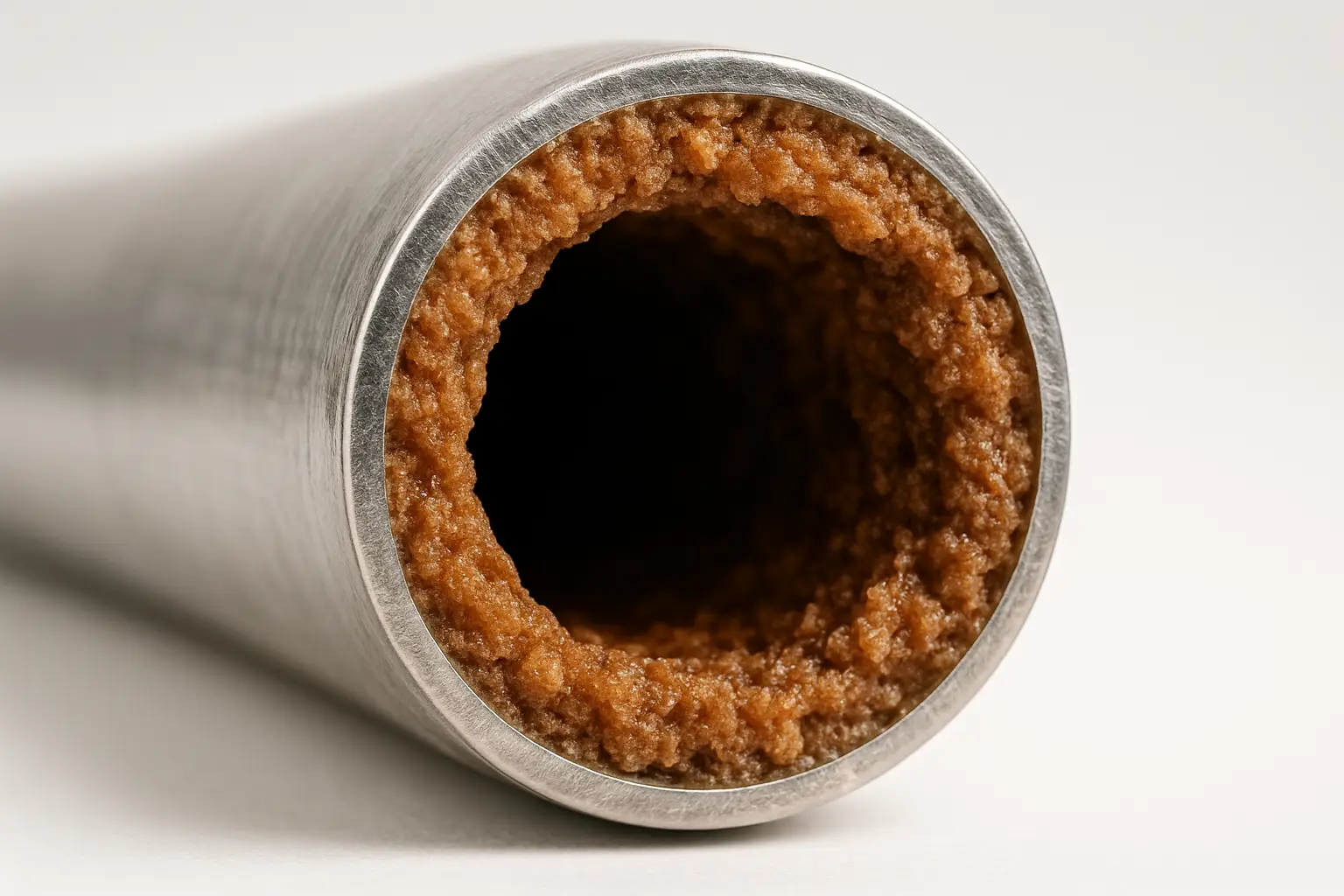
Beer stone is the hard, brownish mineral scale that forms on the interior walls of draft beer lines, faucets, couplers, and washers. Its primary component is calcium oxalate, which precipitates out of beer as it travels through the system. Unlike the organic residues left behind by yeast, proteins, and hop oils, calcium oxalate does not respond to standard alkaline cleaners. It bonds to metal, rubber, and vinyl surfaces and becomes progressively harder to remove.
Draft system operators often mistake the presence of beer stone for general uncleanliness. However, understanding draft beer system support putnam county can help clarify what is actually happening. In reality, a line can be cleaned on schedule and still accumulate beer stone if the cleaning protocol does not include an acid wash cycle.
The distinction matters significantly. Beer stone creates a textured surface inside tubing that gives organic biofilm a place to anchor and grow between cleanings. This accelerates bacterial growth and reduces cleaning effectiveness over time.
How Beer Stone Forms in Draft Lines
Beer is a mildly acidic liquid that contains calcium, oxalic acid, and other minerals. As beer flows through tubing at serving temperature, small amounts of these minerals precipitate and bond to interior surfaces. The process is gradual but persistent.
Brewtiful Lines (2025) notes that microscopic layers of beer stone can begin forming in as little as 2 to 3 weeks. Therefore, even draft systems on a biweekly cleaning schedule can accumulate meaningful mineral buildup over several months.
Temperature fluctuations accelerate the process significantly. Systems that draw beer over longer distances tend to experience higher beer stone accumulation. In particular, long-draw configurations that rely on refrigerated glycol create conditions where beer spends more time in contact with cooler tubing surfaces. The minerals condense more readily under those conditions.
Beyond temperature, the source beer itself plays a crucial role. Beers with higher calcium and oxalate content produce more beer stone than lighter lagers. Furthermore, beverage operators who rotate seasonal craft taps should pay particular attention to their line cleaning frequency. When working with experienced professionals offering glycol beer system installation putnam county services, discuss beer stone protocols specific to your tap lineup.
The Cleaning Process: What Effective Beer Stone Removal Looks Like
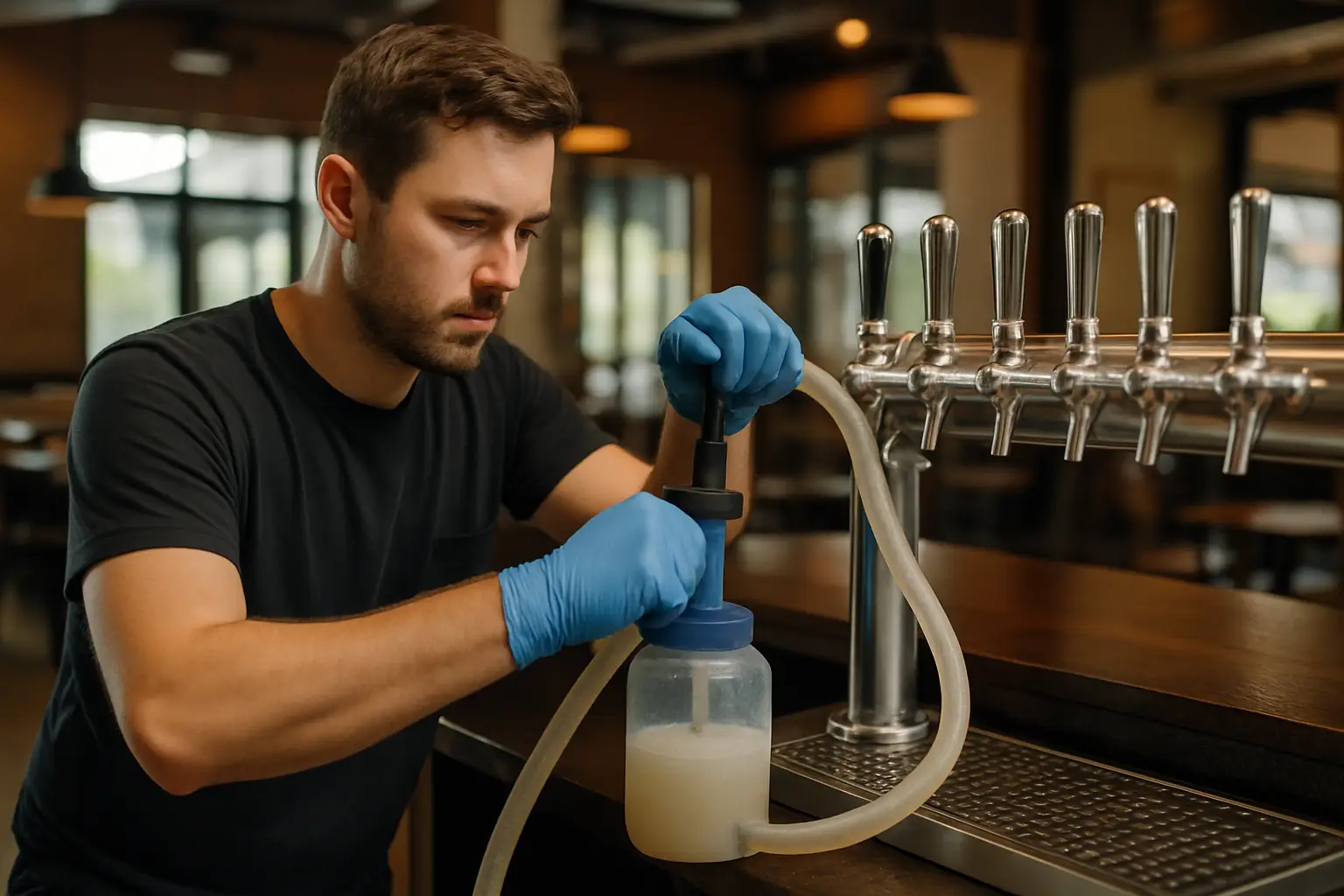
Removing beer stone from lines requires a two-phase chemical cleaning protocol. Most standard line cleaning addresses only the first phase.
Phase 1: Alkaline Cleaning
A caustic or alkaline cleaner circulates through the lines to break down organic residues. These include yeast, proteins, mold, and biofilm. This phase typically runs for 15 to 30 minutes of contact time. Alkaline cleaners handle the biological contamination in the line effectively. However, they do not dissolve calcium oxalate deposits.
Phase 2: Acid Wash
A phosphoric acid or similar acid-based solution is then circulated to target the mineral deposits alkaline cleaners cannot touch. Additionally, understanding the specifics of putnam county event draft support jockey box guide can help temporary setups maintain proper protocols. Acid wash cycles dissolve calcium oxalate at the molecular level. This restores the smooth interior surface of the tubing.
This phase is typically performed less frequently than alkaline cleaning. Most operations perform it monthly or quarterly depending on system type and beer volume.
After each phase, a full fresh water rinse is required. Residual cleaning solution in a draft line will ruin beer flavor and can pose health concerns for customers.
Alkaline vs. Acid Cleaners: A Practical Comparison
| Feature | Alkaline Cleaner | Acid Cleaner |
|---|---|---|
| Primary Target | Organic residue (yeast, proteins, mold) | Mineral deposits (beer stone, calcium oxalate) |
| Typical Frequency | Every 2 weeks | Monthly to quarterly |
| Common Chemicals | Sodium hydroxide, potassium hydroxide | Phosphoric acid, acid-based blends |
| Removes Beer Stone | No | Yes |
| Risk if Misused | Corrosion of rubber seals if overconcentrated | Surface damage to metals if overconcentrated |
| Required After | Thorough water rinse | Thorough water rinse |
Both cleaners have a defined role in a complete draft system maintenance program. Using only one without the other leaves the system partially cleaned at best.
Things to Know
- Beer stone appears translucent to brownish in color. Faucet bodies and tap shanks with visible staining often signal a buildup that has accumulated for months.
- Standard two-week line cleaning is necessary but does not substitute for the periodic acid wash cycle required for beer stone removal from lines.
- The Brewers Association has found that many draft systems test positive for bacteria and yeast even after regular cleaning. This signals that incomplete protocols are common across the industry.
- Beer stone deposits inside rubber gaskets and washers are particularly damaging. They degrade the material and compromise the seal, leading to leaks and pressure loss.
- According to Bernicks (2025), fewer than 40% of breweries maintain OSHA-compliant SOPs for line cleaning. This means beer stone accumulation is likely widespread and underreported in commercial draft environments.
When DIY Cleaning Falls Short
Bars, restaurants, and taprooms that handle line cleaning in-house frequently miss the acid wash step. This requires additional chemistry knowledge, separate equipment handling, and proper PPE. The Brewers Association’s findings on widespread biological contamination in “regularly” cleaned systems point to a systematic gap in how cleaning is executed.
For operations running multi-tap systems, professional support reduces this risk substantially. Additionally, knowing more about commercial draft beer system installation questions putnam county helps ensure systems are properly configured from the start.
Beer Line Cleaning USA provides draft system cleaning and maintenance services across New York, New Jersey, and Connecticut. The primary service focus is Putnam County and the broader NYC metro area. For bars and venues needing ongoing system support, draft beer system support services cover the full maintenance picture. This includes beer stone removal protocols and complete line care. Event operators can also find guidance through comprehensive guides for temporary setups. These resources still require proper cleaning practices even for short-term installations.
Start Protecting Your Draft Lines Today
Poor line maintenance is one of the most common and preventable causes of off-flavor beer in commercial settings. Every week that beer stone goes unaddressed, the deposit hardens and expands. As a result, the next cleaning cycle becomes harder to execute effectively.
Beer Line Cleaning USA works with bars, breweries, taprooms, hotels, and venues across the NYC metro and Putnam County region. They deliver cleaning protocols that include proper acid wash cycles, full documentation, and system-specific recommendations. Operators with questions about installation or system configuration can review resources for additional context before committing to a service plan.
Request a free quote today and get a cleaning schedule built around your operation. Tell the team what system is currently in place, and they will take it from there.
Frequently Asked Questions
Q: How often should beer stone removal from lines be performed?
The acid wash cycle for beer stone removal is typically performed monthly to quarterly, depending on beer volume and beer type.
Alkaline cleaning every two weeks handles organic buildup. However, mineral deposits require a separate acid treatment. High-volume systems or those serving calcium-rich craft beers may need more frequent acid cycles.
Q: Can beer stone make customers sick?
Beer stone itself is a mineral deposit and does not directly cause illness. However, the textured surface it creates inside lines harbors harmful bacteria and yeast.
The Brewers Association has documented that many draft systems test positive for biological contamination despite regular cleaning. When beer stone provides a surface for biofilm to grow, the health risk comes from the microorganisms that follow. This, not the calcium oxalate itself, poses the danger.
Q: What does beer stone look like inside a draft line?
Beer stone appears as a brown, rough, flaky coating on the interior walls of draft lines, faucets, and fittings.
It is not always visible from the outside of the line. Discolored or stained faucet bodies and shanks are the most common visible indicators that beer stone buildup is present throughout the system.
Q: Will increasing cleaning frequency eliminate beer stone?
Cleaning more frequently with an alkaline cleaner alone will not remove beer stone because the chemistry does not target calcium oxalate.
Only an acid-based cleaner can dissolve mineral deposits. Increasing alkaline cleaning frequency without adding an acid wash cycle will improve organic contamination control. However, it will leave the beer stone problem entirely unaddressed.
Q: How long does a professional beer stone removal service take?
A professional beer stone removal service for a typical commercial draft system takes between one and three hours depending on the number of lines and the severity of buildup.
Systems with significant long-term mineral accumulation may require extended contact time for the acid solution to fully dissolve the deposits. A technician can assess buildup severity on-site before beginning the cleaning cycle.
The Bottom Line on Beer Stone Removal from Lines
Beer stone removal from lines is not a one-time fix. It is a recurring, chemistry-specific step in any professional draft system maintenance program. Without it, alkaline cleaning alone leaves mineral deposits in place. As a result, deposits compound over time, shorten equipment life, and create conditions for biological contamination.
For any commercial operation where draft quality directly affects customer experience and revenue, addressing beer stone is not optional. The right first step is an honest assessment of the current cleaning protocol. If an acid wash cycle is not already part of the routine, it needs to be added.
Beer Line Cleaning USA offers professional consultations and service plans across New York, New Jersey, and Connecticut to help operators close that gap efficiently.