What’s In This Guide
- Why Do Businesses Need to Prepare Their Location Before a Draft System Installation?
- What Problems Can Occur When a Draft Beer System Is Installed in an Unprepared Space?
- What Areas Should Putnam County Businesses Evaluate Before Scheduling Draft Beer Installation Nearby?
- Does Your Business Have Enough Space for Keg Storage and Cooling Equipment?
- Are Your Electrical Systems Ready for Draft System Installation?
- Does Your Plumbing and Drainage Setup Support Beer Tap Installation Near You?
- Is Proper Ventilation Necessary for Draft Beer Equipment?
- How Can Businesses Prepare for Draft Beer Installation Step by Step?
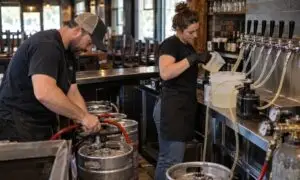
- What Equipment Is Commonly Included in a Professional Draft System Installation?
- What Local Factors Should Putnam County Businesses Consider Before Installation?
- Frequently Asked Questions (FAQs)
A successful draft system installation starts before any equipment arrives on-site. Proper preparation helps restaurants, bars, breweries, country clubs, hotels, and entertainment venues in Putnam County avoid project delays, reduce unexpected costs, and support consistent draft beer quality.
Many business owners begin researching equipment before evaluating whether the facility can support a new draft system. However, refrigeration requirements, utility capacity, keg storage, ventilation, and equipment accessibility often determine how efficiently an installation proceeds.
Quick Facts
- 36°F to 38°F for draft beer freshness.
- Two-week beer line cleaning per Brewers Association guidance.
- Five site checks: electrical, plumbing, refrigeration, ventilation, storage.
- Early site assessments to catch utility and layout issues.
- Glycol cooling for long-draw draft systems.
Why Do Businesses Need to Prepare Their Location Before a Draft System Installation?
Site preparation helps prevent installation delays, supports equipment performance, and promotes long-term draft beer quality.
Draft beer systems involve multiple components working together. Refrigeration equipment, gas delivery systems, beer lines, dispensing towers, and storage areas all require proper planning before installation begins.
Business owners who prepare facilities in advance often experience smoother project timelines and fewer operational issues after installation.
Common benefits of site readiness include:
- Faster installation timelines
- Reduced project interruptions
- Improved equipment accessibility
- Better temperature control
- Easier maintenance procedures
- Lower risk of costly modifications
|
Site Readiness Factor |
Why It Matters |
|
Refrigeration Planning |
Supports proper beer temperatures |
|
Electrical Capacity |
Powers cooling equipment reliably |
|
Plumbing Access |
Supports drainage and maintenance |
|
Ventilation |
Improves equipment efficiency |
|
Storage Space |
Accommodates keg inventory |
Refrigeration equipment performs more efficiently when airflow and equipment placement are properly managed.
What Problems Can Occur When a Draft Beer System Is Installed in an Unprepared Space?
Poor preparation can create operational challenges that affect beer quality, maintenance requirements, and installation costs.
Several issues frequently occur when facilities skip a professional site assessment.
Common challenges include:
- Limited cooler space
- Insufficient electrical service
- Restricted line-routing pathways
- Poor ventilation
- Inadequate drainage
- Difficult equipment access
Each challenge may require additional labor or facility modifications after installation has already started.
Long-term consequences can include:
- Inconsistent beer temperatures
- Reduced equipment efficiency
- Increased maintenance frequency
- Higher energy consumption
- Service interruptions
Addressing facility requirements before installation helps reduce these risks.
What Areas Should Putnam County Businesses Evaluate Before Scheduling Draft Beer Installation Nearby?
Businesses should review space availability, utility infrastructure, refrigeration capacity, and maintenance access before scheduling installation services.
A thorough facility evaluation helps installers determine the most effective system configuration for the location.
|
Evaluation Area |
Primary Objective |
|
Space Planning |
Equipment placement |
|
Refrigeration |
Temperature management |
|
Electrical Systems |
Reliable equipment operation |
|
Plumbing |
Drainage and maintenance support |
|
Ventilation |
Equipment performance |
|
Accessibility |
Future service access |
A readiness review helps installers recommend the right system layout for the property instead of forcing equipment into a space that may not support it.
Does Your Business Have Enough Space for Keg Storage and Cooling Equipment?
Adequate space supports inventory management, maintenance access, and efficient cooling performance.
Every commercial draft beer system requires room for several key components.
Typical space requirements include:
- Keg storage areas
- Refrigeration equipment
- CO₂ cylinders
- Beer line routing
- Service access pathways
|
Equipment Component |
Planning Consideration |
|
Kegs |
Inventory capacity |
|
Walk-In Cooler |
Cooling requirements |
|
Gas Cylinders |
Safety clearance |
|
Glycol Equipment |
Maintenance access |
|
Tap Towers |
Service layout |
Businesses expecting future growth should account for expansion needs during the planning phase.
Are Your Electrical Systems Ready for Draft System Installation?
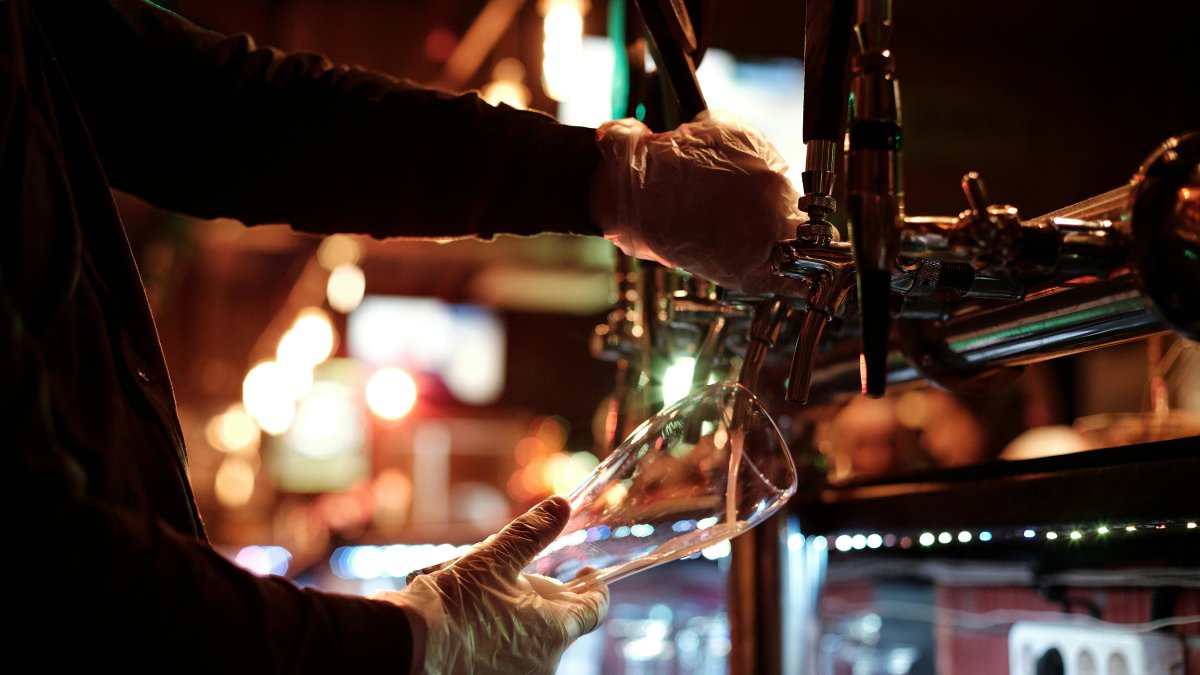
Reliable electrical infrastructure supports refrigeration performance and system reliability.
Draft beer systems often rely on refrigeration units, glycol chillers, and monitoring equipment that require dependable electrical service.
Electrical reviews should evaluate:
- Available circuit capacity
- Equipment power requirements
- Breaker availability
- Equipment location
- Accessibility for servicing
|
Equipment Type |
Electrical Consideration |
|
Refrigeration Units |
Dedicated power supply |
|
Glycol Chillers |
Stable voltage |
|
Cooling Systems |
Continuous operation |
|
Monitoring Devices |
Reliable connectivity |
Businesses planning a draft beer installation near you should verify utility readiness before finalizing installation schedules.
Does Your Plumbing and Drainage Setup Support Beer Tap Installation Near You?
Proper plumbing and drainage help support sanitation, equipment longevity, and efficient maintenance procedures.
Draft beer systems generate condensation and require routine cleaning. Poor drainage planning can create operational challenges and increase maintenance requirements.
Business owners should evaluate:
- Drain accessibility
- Cooler drainage systems
- Condensation management
- Cleaning access points
- Equipment serviceability
Proper drainage planning supports compliance with food and beverage sanitation standards while helping protect equipment investments.
Key plumbing considerations include:
- Drain location and capacity
- Cooler drainage requirements
- Cleaning procedures
- Water management systems
- Long-term maintenance access
The FDA Food Code emphasizes sanitary facility conditions for food and beverage operations. Proper drainage contributes to maintaining those standards.
MORE ON THIS TOPIC: What Draft System Technicians Inspect During a Maintenance Visit
Is Proper Ventilation Necessary for Draft Beer Equipment?
Adequate ventilation helps refrigeration equipment operate efficiently and may extend equipment lifespan.
Commercial refrigeration systems generate heat during operation. Restricted airflow can force cooling equipment to work harder, increasing energy consumption and wear.
Ventilation planning should address:
- Equipment clearance requirements
- Mechanical room airflow
- Heat dissipation
- Refrigeration efficiency
- Service accessibility
Benefits of proper ventilation include:
- More stable cooling performance
- Lower equipment strain
- Improved energy efficiency
- Reduced maintenance concerns
- Longer equipment service life
Ventilation assessments should occur before equipment placement decisions are finalized.
How Can Businesses Prepare for Draft Beer Installation Step by Step?
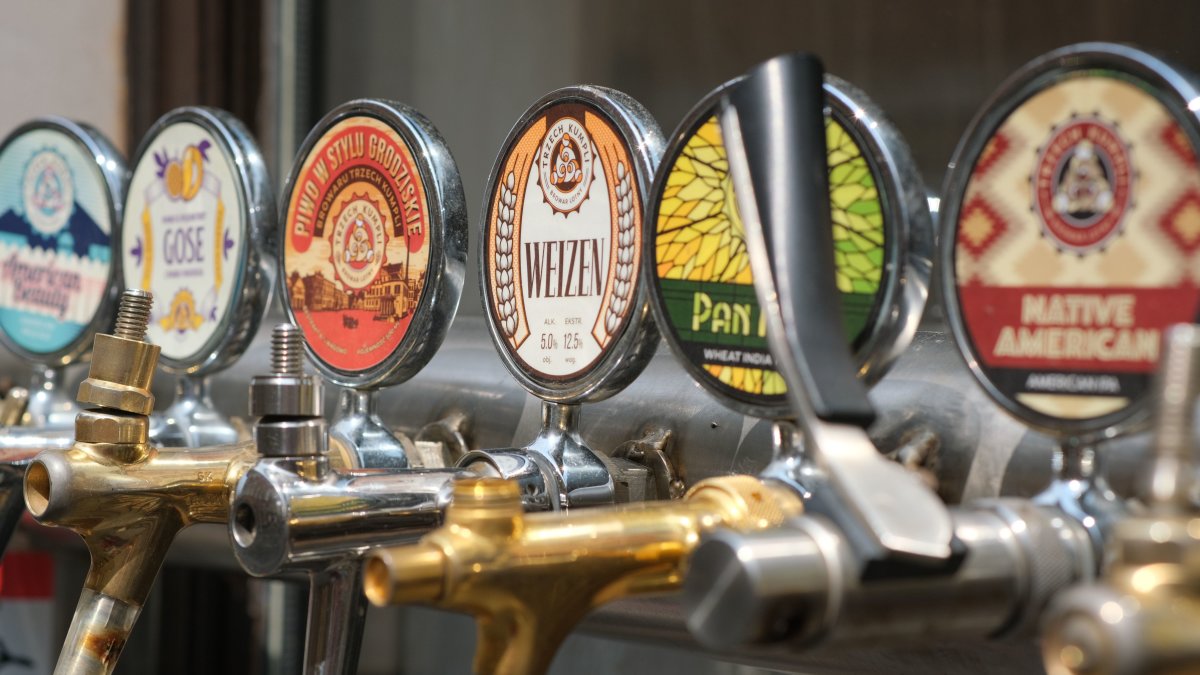
A structured planning process helps businesses avoid delays and create a more efficient installation experience.
Following a clear preparation process allows business owners to coordinate contractors, installers, and facility requirements more effectively.
Step 1: Assess Business Goals and Beverage Volume Requirements
Bottom line: Expected beverage volume influences equipment selection, storage needs, and future scalability.
Business owners should evaluate:
- Number of planned taps
- Product variety
- Projected customer demand
- Seasonal fluctuations
- Expansion plans
High-volume establishments often require larger cooling systems and greater storage capacity than smaller operations.
Step 2: Identify the Best Equipment Location
Bottom line: Equipment placement affects maintenance access, temperature control, and system efficiency.
Common system configurations include:
|
System Type |
Typical Application |
|
Direct Draw |
Short-distance dispensing |
|
Remote Draw |
Longer beer runs |
|
Walk-In Cooler System |
High-volume operations |
Location planning should prioritize:
- Accessibility
- Cooling performance
- Efficient line routing
- Future expansion opportunities
Step 3: Review Utility Requirements
Bottom line: Utility readiness reduces the risk of project interruptions.
Facility reviews should include:
- Electrical capacity
- Plumbing access
- Drainage systems
- Refrigeration support
- Ventilation requirements
Completing utility reviews before installation begins often prevents costly modifications later.
Step 4: Schedule a Professional Site Assessment
Bottom line: Professional assessments identify potential challenges before equipment arrives.
Site assessments commonly evaluate:
- Available space
- Utility infrastructure
- Equipment placement options
- Service accessibility
- Future growth considerations
Businesses researching draft beer system installers nearby often benefit from scheduling a site visit before finalizing equipment selections.
Step 5: Finalize Layout and Installation Timeline
Bottom line: A finalized project plan helps coordinate equipment delivery and installation activities.
A typical installation timeline may include:
|
Project Phase |
Purpose |
|
Site Assessment |
Facility evaluation |
|
System Design |
Equipment planning |
|
Equipment Delivery |
Project preparation |
|
Installation |
Equipment setup |
|
Testing |
Operational verification |
A structured timeline helps minimize operational disruptions.
What Equipment Is Commonly Included in a Professional Draft System Installation?
Commercial draft systems rely on multiple components working together to deliver consistent beer quality.
Equipment selection varies by business type, serving volume, and facility layout.
Most installations include several core components.
What Components Make Up a Commercial Draft Beer System?
Every draft system includes dispensing, cooling, gas management, and delivery components.
|
Component |
Primary Function |
|
Kegs |
Product storage |
|
Beer Lines |
Product delivery |
|
Faucets |
Beverage dispensing |
|
Tap Towers |
Dispensing location |
|
Regulators |
Gas pressure control |
|
CO₂ Systems |
Beer movement |
|
Glycol Systems |
Temperature management |
|
Coolers |
Product refrigeration |
Each component influences performance and maintenance requirements.
Proper temperature control and line maintenance play important roles in preserving beer quality throughout the dispensing process.
How Does Equipment Selection Affect Long-Term Performance?
Equipment quality and system design influence efficiency, maintenance needs, and scalability.
Businesses should consider both current needs and future growth when selecting equipment.
Important considerations include:
- Expected volume
- Expansion plans
- Maintenance requirements
- Energy efficiency
- Equipment durability
|
Consideration |
Operational Impact |
|
Cooling Capacity |
Temperature consistency |
|
Line Configuration |
Product quality |
|
Equipment Accessibility |
Service efficiency |
|
System Scalability |
Future growth support |
Careful equipment selection helps support reliable long-term operation.
What Local Factors Should Putnam County Businesses Consider Before Installation?
Commercial properties in Putnam County may vary widely in age, layout, utilities, and access.
Every commercial property presents unique challenges. Older buildings, renovated spaces, and high-traffic venues may require additional planning.
Factors commonly affecting installation projects include:
- Building age
- Existing utility infrastructure
- Cooler locations
- Floor plans
- Equipment access routes
Early evaluations help identify property-specific considerations before installation begins.
How Can Building Layout and Property Conditions Affect Installation?
Bottom line: Physical building conditions often determine routing options and equipment placement strategies.
Common property considerations include:
|
Building Feature |
Potential Challenge |
|
Limited Utility Access |
Installation complexity |
|
Restricted Storage Areas |
Reduced capacity |
|
Long Distances Between Cooler and Bar |
Additional cooling requirements |
|
Older Infrastructure |
Utility upgrades |
|
Limited Service Access |
Maintenance challenges |
Property evaluations help installers develop practical solutions that support efficient operation.
Frequently Asked Questions (FAQs)
Can a draft beer system be expanded after the initial installation?
Yes. Many commercial draft beer systems can be expanded to accommodate additional taps, beverage offerings, or higher serving volumes. Planning for future growth during the initial installation may simplify upgrades and reduce future modification costs.
What type of gas is used in a commercial draft beer system?
Most draft beer systems use carbon dioxide (CO₂), while some beverages may require a nitrogen or blended gas setup. Gas selection depends on the beverage being served, the dispensing method, and manufacturer recommendations.
How often should draft beer equipment be inspected?
Routine inspections are generally recommended several times throughout the year. Regular inspections can help identify worn components, pressure issues, temperature inconsistencies, and other maintenance concerns before they affect service quality.
Can draft beer systems be installed outdoors?
Yes. Outdoor installations are possible when designed for environmental conditions. Outdoor systems may require weather-resistant components, additional insulation, temperature management solutions, and protection from direct exposure to the elements.
What factors affect the cost of a commercial draft beer installation?
Several variables influence project costs, including the number of taps, beer line length, refrigeration requirements, building layout, utility modifications, and equipment selection. A professional site assessment provides the most accurate project estimate based on the specific facility.
Start with a Site Readiness Assessment
Proper site readiness evaluations help businesses avoid preventable installation challenges while supporting reliable beverage service operations.
Beer Line Cleaning USA provides commercial draft beer installation, cleaning, repair, and maintenance services for bars, restaurants, breweries, and venues.