Most draft beer issues are not caused by the beer itself. They start at installation.
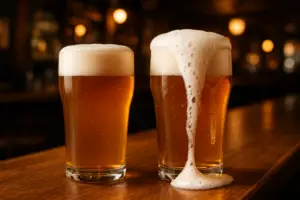
Excessive foam, flat pours, pressure instability, and leaks are the most common beer tap system installation problems. In most cases, they trace back to temperature imbalances or incorrect system setup rather than product quality.
We’ll break down the most common installation problems, explain why they happen, and outline practical ways to fix them.
What's In This Guide
Quick Facts 🍺✔ Most draft problems start with installation issues. ✔ Foam, flat beer, and leaks often point to setup errors. ✔ Proper cooling and pressure keep pours consistent. ✔ Regular cleaning and inspections help prevent repeat problems. ✔ Professional service can catch hidden system flaws early. |
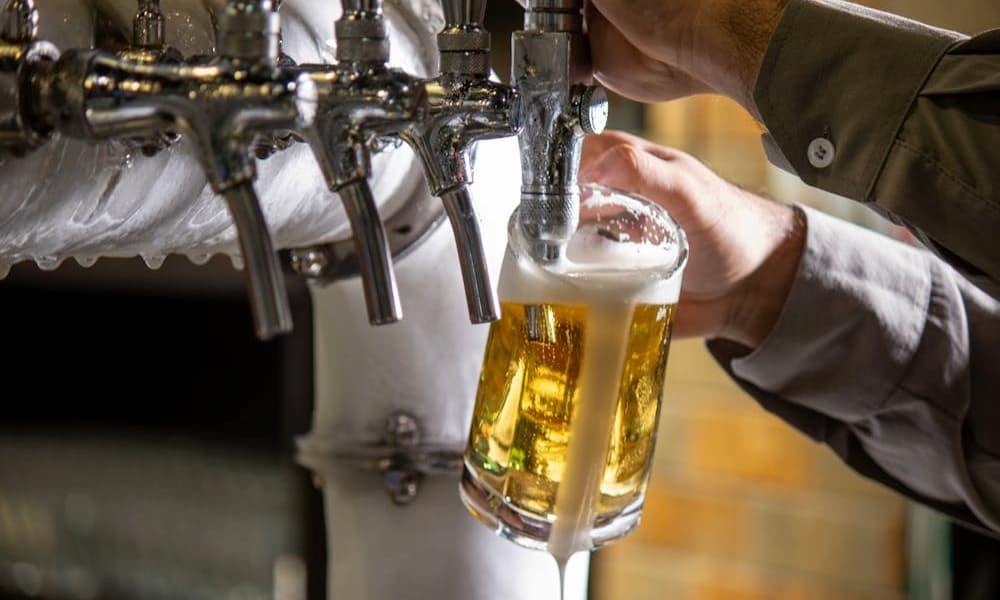
Problem #1: Too Much Foam at the Tap
What Causes It
Foam is the most visible sign of a system issue. It usually results from:
- Beer that is too warm
- Warm towers or lines
- Incorrect pressure settings
- Unbalanced line length and resistance
- Kegs not chilled long enough before tapping
When beer warms, carbon dioxide escapes from the liquid and forms foam. Even slight temperature changes inside the line can trigger this effect.
How To Fix It
Start with temperature:
- Verify the cooler is holding 36–38°F
- Check that towers and lines are properly cooled
- Ensure kegs are fully chilled before use
Then evaluate pressure:
- Adjust regulator settings to match the system design
- Inspect for gas leaks that may affect pressure stability
Foam problems are rarely isolated. They usually reflect a combination of temperature and pressure imbalance.
Problem #2: Incorrect Gas Pressure or Gas Blend
Why It Happens
Gas pressure controls carbonation and flow rate. When it is wrong, the beer either pours too fast with foam or too slowly and flat.
Common causes include:
- Using the same pressure for all beers
- Applying straight CO2 in systems that require blended gas
- Failing to account for long-draw systems
Long-draw systems often require a mix of CO2 and nitrogen to maintain proper pressure without over-carbonating the beer.
How To Fix It
Incorrect pressure is one of the fastest ways to degrade beer quality. Adjustments should always be based on system specifications.
- Match gas type to system length and design
- Set pressure based on beer style and temperature
- Use blended gas where appropriate for longer runs
Problem #3: Improper Line Material or Layout
Common Installation Mistakes
The type and layout of beer lines directly affect both flavor and sanitation. Problems often include:
- Using the wrong tubing for long runs
- Poor routing that exposes lines to heat
- Materials that are difficult to clean or maintain
Some materials are more prone to buildup and flavor carryover. Vinyl tubing, for example, is porous and may need replacement every one to two years, while barrier tubing is designed to resist buildup and maintain flavor integrity.
How To Fix It
A stainless steel keg is durable and standard in the industry, but it does not compensate for poor line design. The system downstream still determines final pour quality.
- Use appropriate tubing for the system type
- Minimize exposure to heat along the run
- Replace aging or porous materials
- Incorporate stainless steel beer-contact components where needed
Problem #4: Wrong or Misinstalled Keg Coupler
Why This Happens
Not all kegs use the same connection. A keg coupler must match the keg valve type, and mismatches are more common than many operators expect.
In the U.S., the Sankey “D” coupler is widely used, but imported or specialty beers may require different types.
Consequences may include:
- No beer flow
- Leaks at the connection point
- Pressure instability
How To Fix It
A properly functioning coupler includes safety and pressure components that must remain intact to ensure consistent performance.
- Confirm the correct coupler type before tapping
- Inspect seals, check valves, and relief mechanisms
- Ensure the coupler is fully engaged and locked in place
Problem #5: Leaks in the System
Where Leaks Occur
Leaks often develop at:
- Coupler connections
- Tailpieces and hex nuts
- Washers and gaskets
- Gas line fittings
Why It Matters
Leaks are not just a maintenance issue. They affect:
- Pressure stability
- Product loss
- Safety
Carbon dioxide leaks are particularly serious. In enclosed spaces, CO2 can displace oxygen and create hazardous conditions.
How To Fix It
Leak prevention should be part of the installation. Make sure to:
- Replace worn washers and seals
- Tighten fittings correctly without over-torquing
- Perform leak checks after installation and adjustments
- Monitor gas systems regularly
Problem #6: Poor Sanitation Planning During Installation
Why This Becomes a Long-Term Issue
A system that is hard to clean will eventually affect beer quality.
Biofilms and microorganisms can develop inside lines, impacting flavor and increasing maintenance costs if cleaning is inconsistent.
What Proper Setup Looks Like
- Easy access to lines and faucets
- Components designed for regular cleaning
- Minimal dead spots where residue can collect
How To Fix It
Sanitation is not separate from installation. It should be built into the system from the start.
- Design systems with cleaning access in mind
- Follow a cleaning schedule of at least every 14 days
- Train staff on proper maintenance procedures
Problem #7: System Design Does Not Match the Space
Common Mismatches
Expansion often occurs without revisiting the original system design. What worked for a smaller setup may not scale effectively.
- Long runs without proper cooling support
- Adding taps without recalculating the system balance
- Using incorrect faucet types for certain beers
- Undersized cooling systems
How To Fix It
A system that technically functions may still be inefficient if it is not properly matched to the environment.
- Reevaluate the layout before adding new taps
- Match system type to distance and volume
- Select faucets based on beer style and usage
- Upgrade cooling systems when needed
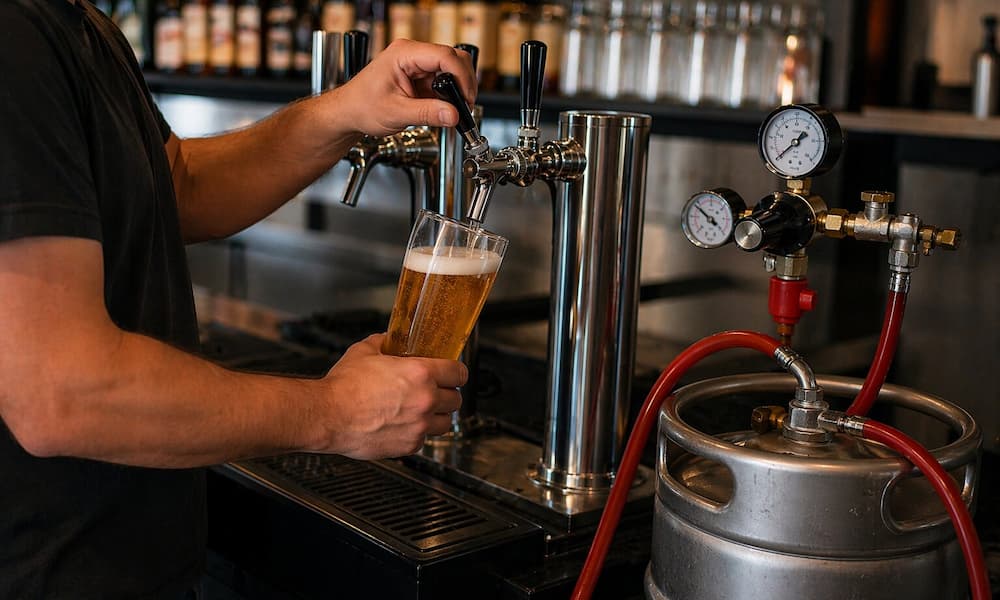
How to Troubleshoot a Beer Tap System Installation Step by Step
Step 1: Check Beer Temperature First
- Measure the keg temperature, not just the cooler setting.
- Beer should usually pour best at 36 to 38°F.
- If the keg is warmer than that, expect foam, wasted product, and inconsistent pours.
- Check whether the tower, trunk line, or faucet is warming up between pours.
Step 2: Verify Gas Pressure and Tank Setup
- Read the regulator and confirm the PSI matches the beer style and system length.
- Make sure the gas tank is not running low.
- Confirm the correct gas is being used. Straight CO2 and blended gas are not interchangeable in every setup.
- If pours start strong and then turn foamy or slow, pressure imbalance is often the cause.
Step 3: Inspect the Keg Coupler and Keg Tap Connection
- Confirm the keg coupler matches the keg type.
- Make sure the keg tap is fully seated and locked.
- Check for damaged seals, missing washers, or sticky internal parts.
- A bad coupler connection can cause leaks, poor flow, or no flow at all.
Step 4: Look for Leaks in the Beer and Gas Lines
- Inspect all fittings, clamps, washers, and tailpieces.
- Listen for hissing around gas connections.
- Look for beer drips or sticky residue around joints.
- Even a small leak can throw off pressure and affect pour quality.
Step 5: Review Line Condition and Cleaning History
- Check whether the lines are overdue for cleaning.
- Look for off-odors, sour flavors, cloudy pours, or visible buildup.
- Inspect line routing for warm spots, kinks, or unnecessary bends.
- Dirty or poorly routed lines can mimic installation problems.
Step 6: Contact Professional Beer Cleaners
- Schedule a full system inspection if problems keep coming back.
- Ask for pressure testing, leak checks, and line balance review.
- Have them inspect the coupler, regulator, faucets, and fittings.
- Request a deep cleaning if buildup or off-flavors are present.
- Use their findings to fix installation issues before they lead to more waste.
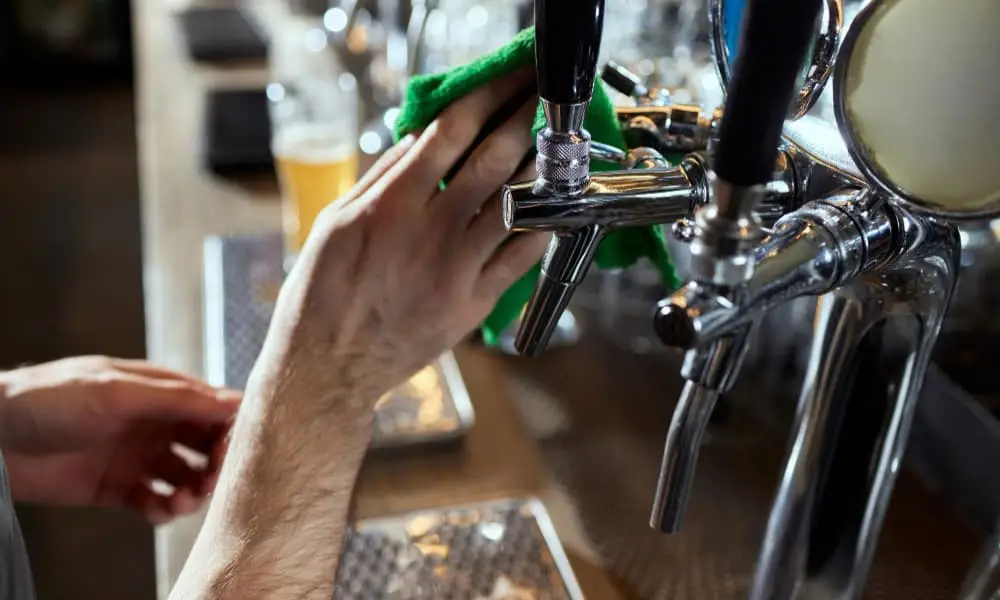
Preventive Tips To Avoid Repeat Installation Problems
Keep Temperature Consistent End-to-End
- Store kegs at 36–38°F and avoid frequent cooler fluctuations.
- Insulate towers and lines to prevent warming between pours.
- Do not tap a keg until it is fully chilled.
Set and Recheck Proper Gas Pressure
- Adjust PSI based on beer type and line length, not guesswork.
- Recheck pressure after changing kegs or adding new taps.
- Monitor for slow changes that may indicate leaks or regulator issues.
Use the Right Components for Your System
- Match the correct keg coupler to each keg brand.
- Use appropriate tubing for direct-draw or long-draw systems.
- Replace worn washers, seals, and vinyl lines on a set schedule.
Maintain a Strict Cleaning Routine
- Clean beer lines at least every 14 days.
- Disassemble and clean faucets regularly.
- Keep a cleaning log to avoid missed intervals.
Inspect the System Regularly
- Check for small leaks, loose fittings, or sticky connections.
- Look for early signs of foam, off-flavors, or slow pours.
- Address minor issues early before they affect the entire system.
Document Your Setup
- Record pressure settings, line lengths, and component types.
- Use this as a reference when troubleshooting or expanding the system.
Frequently Asked Questions (FAQs)
Can a new beer tap system still have pouring problems?
Yes. A new system can still pour poorly if the pressure is set wrong, the lines warm up, the coupler does not fit correctly, or installation details were overlooked. New equipment does not guarantee a balanced system.
How often should draft system components be inspected?
Basic visual checks should happen daily or weekly, depending on volume. Faucets, couplers, seals, gas lines, and regulators should also be reviewed during routine cleaning so small issues do not turn into larger service problems.
Does the type of faucet affect beer quality?
Yes. Faucet design can affect flow, turbulence, and cleaning ease. Using the wrong faucet for the beer style or system setup can contribute to poor pours and harder maintenance.
How long does a keg last?
The keg container itself is reusable and designed for long-term use. What matters more for businesses is how long the beer inside remains fresh after tapping and under proper storage conditions.
How long does beer last in a keg?
Refrigerated draft beer typically lasts 45–60 days if unpasteurized and up to 90–120 days if pasteurized, assuming proper pressure and sanitation are maintained. Warmer temperatures or poor system conditions can shorten this significantly.
Get Your Beer Tap System Back on Track
If your system continues to have recurring issues or you want to prevent them before they start, working with an experienced provider can make a measurable difference.
Beer Line Cleaning USA in Putnam County can inspect your system, identify installation gaps, restore proper balance, and help maintain long-term draft quality so your business runs efficiently and your beer pours the way it should every time.