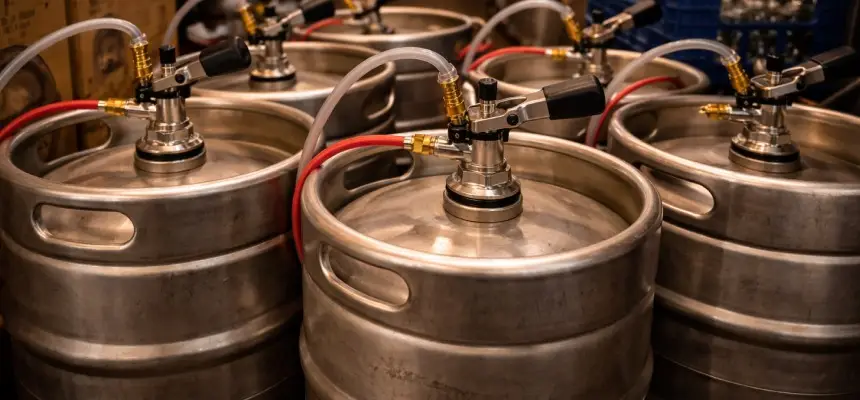
Quick Facts 🍺✔ Installing a beer keg coupler is only the first step, and performance depends on proper setup and upkeep. ✔ Small components and correct coupler types are key to maintaining pressure and flow. ✔ Regular cleaning prevents buildup that affects beer quality and sanitation. ✔ Incorrect installation or mismatched couplers can cause foam, leaks, and poor flow. ✔ Ongoing maintenance helps extend equipment life and keep the system running smoothly. |
What's In This Guide
Installing a beer keg coupler often feels like the final step in setting up a draft system. Once it’s locked in place, it’s easy to assume everything is ready to go. But in practice, many of the most common issues with draft beer systems do not come from the installation itself. They come from the small details that are often overlooked right after.
From missing components to improper pressure settings and overlooked maintenance, these gaps can affect everything from beer quality to equipment lifespan. Even a properly installed system can underperform if key steps are skipped or misunderstood.
Here are the most common things you might be missing.
What a Keg Coupler Actually Does (and Why It Matters)
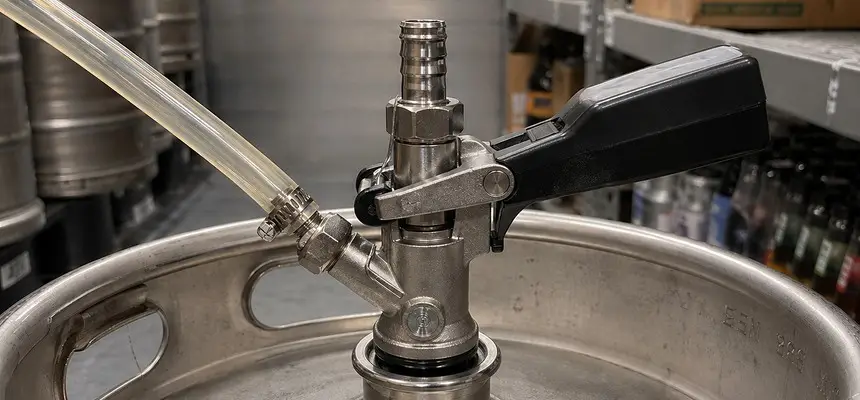
A beer line coupler connects the keg to the CO2 supply and beer line, helping move beer through the draft system. Because it controls both pressure and flow, even a small issue can affect pour quality, carbonation, and taste.
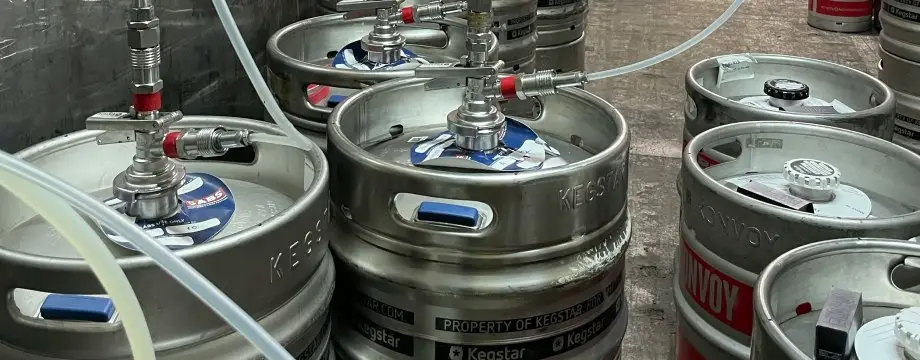
What Most People Miss After Installing a Beer Keg Coupler
✓ Missing Internal Components
Some of the most common draft issues come from small internal parts that are easy to overlook during setup. Even a properly installed beer keg coupler can run into pressure, flow, and sanitation problems when these components are missing or worn.
- Check valve: This part prevents beer from traveling back into the CO2 regulator, which helps protect the gas side of the system from contamination and equipment damage. If the check valve is missing or not working properly, backflow can create costly problems beyond the coupler itself.
- Gaskets and O-rings: These seals help the beer line coupler maintain an airtight connection between the keg and the draft system. When they are cracked, loose, or missing, the result is often lost pressure, leaks, and inconsistent pouring performance.
- Internal seals and small fittings: These parts support proper function inside the coupler and help keep gas and beer moving the way they should. If they begin to wear down, the system may still appear connected while performance gradually declines.
✓ Incorrect Installation Technique
A coupler may look properly attached even when the setup is slightly off. Small installation mistakes can affect pressure balance and cause problems that show up as foam, leaks, or restricted flow.
- Handle position: Starting with the handle in the wrong position can prevent the coupler from seating correctly on the keg. This can interfere with the seal and create immediate pouring issues once the system is pressurized.
- Forced connection: If the coupler does not fit smoothly, forcing it into place usually signals a mismatch or improper alignment. That can damage the keg valve or coupler and create a problem that is harder to fix later.
- Improper locking: A coupler that is not fully and correctly locked may seem secure at first, but it often causes unstable pressure and uneven beer flow during service. This is one of the more common reasons a setup looks fine but does not pour correctly.
✓ Using the Wrong Types of Keg Couplers
Not all kegs use the same connection system, which is why understanding keg coupler types matters before tapping. Choosing the wrong fit can prevent the draft system from working properly, even if the installation appears correct.
- Different keg requirements: The different types of keg couplers are made for specific keg valves, so they are not interchangeable across all brands and systems. Using the wrong connection can stop the coupler from sealing correctly or prevent beer from flowing at all.
- U.S. vs. imported systems: While the D-system is one of the most common beer coupler types in the U.S., imported brands and specialty products may require other keg tap types. Identifying the correct fit before setup helps prevent damage and unnecessary troubleshooting.
- Poor fit issues: When the wrong beer keg coupler is used, the system may leak, lose pressure, or fail to dispense beer consistently. If the coupler has to be forced onto the keg, that is usually a sign that the match is incorrect.
✓ Overlooking Cleaning After Setup
Once beer starts moving through the system, installation alone does not keep it clean. A beer line coupler naturally collects residue during use, and because microbial spoilage is an ongoing concern in beer service, that buildup can affect flavor, sanitation, and overall system performance over time.
- Yeast and bacteria: Organic residue left inside the coupler creates conditions where yeast and bacteria can build up if cleaning is delayed. This can affect beer quality and make the draft system less sanitary over time.
- Beer stone buildup: Mineral deposits can form inside the coupler and connected lines, especially with regular use and inconsistent cleaning. This buildup can restrict flow, wear down components, and make the system harder to sanitize fully.
- Flavor impact: A dirty coupler can change the taste and smell of the beer, even when the keg itself is fresh. Off flavors are often traced back to residue that has been allowed to remain inside the coupler or lines too long.
✓ Missing Basic Support Tools and Parts
Some problems are not caused by the coupler alone, but by the lack of simple tools and backup parts needed to maintain it properly. Having the right items on hand makes routine service easier and helps prevent small issues from turning into larger ones.
- Faucet wrench: This tool allows faucets and related hardware to be removed or tightened without damaging the finish or threads. It also makes cleaning more practical, since parts can be taken apart safely instead of being left in place too long.
- Replacement seals: Extra gaskets and O-rings make it easier to address leaks or worn connections before they affect the whole system. Keeping replacements available reduces downtime and helps maintain steady pressure.
- Cleaning brushes: These are useful for removing residue from areas that rinsing alone may not fully reach. Without proper brushes, buildup can stay inside the hardware and continue affecting taste and performance.
✓Ignoring Long-Term Maintenance
A coupler that works well during the first setup can still create problems later if it is not maintained consistently. Good draft performance depends on regular inspection, cleaning, and part replacement as the system sees more use.
- Routine inspections: Regularly checking valves, seals, and fittings helps catch wear before it leads to leaks or poor flow. This also makes it easier to identify whether a problem is mechanical or related to cleaning.
- Scheduled cleaning: Cleaning on a consistent schedule helps prevent residue, yeast, and beer stone from building up inside the coupler and lines. This is one of the most important steps for preserving beer quality and keeping the system reliable.
- Professional servicing: In higher-volume settings, commercial beer line cleaning equipment can support a more thorough cleaning process than basic manual methods alone. Professional service also helps ensure that the full draft system, not just the visible hardware, is being maintained correctly.
How to Properly Clean a Keg Coupler (Step-by-Step)
Step 1: Fully Disassemble the Coupler
Remove all components, including:
- Air line
- Thomas valve
- Check valve
Partial cleaning leaves hidden areas untreated, allowing buildup to persist.
Step 2: Use the Right Cleaning Solutions
Use two types of cleaners:
- Alkaline cleaner every 2 to 3 weeks or with each keg change to remove organic residue
- Acid cleaner periodically to break down beer stone
This combination ensures both biological and mineral contaminants are addressed.
Step 3: Circulate or Soak the System
Use a cleaning keg or hand-pumped system to push solution through the lines. Commercial beer line cleaning equipment is often used in high-volume environments for consistent results. Let the solution sit for at least 5 to 10 minutes to allow proper sanitization.
Step 4: Scrub All Hardware
Soak and scrub:
- Coupler body
- Faucet
Manual scrubbing removes stubborn residue that chemical circulation alone cannot eliminate.
Step 5: Rinse Thoroughly
Flush the system with clean water until all cleaning solution is removed. Using pH strips helps confirm that no chemical residue remains. Incomplete rinsing can affect beer taste and safety.
Troubleshooting Common Coupler Problems
Foamy Beer
Foamy beer is usually a sign that something is off with pressure, temperature, or cleanliness. High CO₂ pressure, a dirty beer keg coupler, or warm beer can all disrupt the pour and create excess foam.
No Beer Flow
If no beer is coming through, the issue may be a blockage inside the coupler, an installation mistake, or a damaged internal part. In some cases, using the wrong one from the available keg coupler types can also prevent proper flow.
Off Taste or Smell
An unusual taste or odor often points to buildup inside the coupler or beer lines. When residue, yeast, and bacteria are allowed to accumulate, they can form biofilm in the draft system, which is a common cause of off-flavors and reduced beer quality.
Leaks
Leaks usually happen when seals are missing, fittings are not tightened properly, or internal parts have started to wear out. Even a small leak can affect pressure and performance across the entire draft system.
Frequently Asked Questions
How often should draft system components be checked?
Draft system components should be checked regularly, even if there are no obvious problems. Routine inspections help catch worn seals, loose fittings, or buildup before they affect performance. In many cases, a quick check during each keg change is enough.
Does frequency of use affect maintenance needs?
Yes, higher usage usually means more frequent cleaning and inspections are needed. Systems that are used often build up residue faster and put more wear on internal parts. Lower-use systems still need maintenance to prevent buildup over time.
Can improper storage affect draft equipment performance?
Yes, improper storage can damage couplers and other draft components over time. Exposure to moisture, heat, or contaminants can wear down seals and internal parts. Poor storage can also allow residue or buildup to develop before the equipment is used again.
How can I prevent long-term damage to my draft system?
The best way to prevent long-term damage is through regular cleaning, routine inspections, and timely part replacement. Proper handling also helps reduce wear on components. Addressing small issues early can prevent more expensive repairs later.
When should I consider professional maintenance services?
Professional maintenance is helpful when problems become frequent or difficult to identify. It is also a good option when the system needs a deeper cleaning than routine upkeep can provide. Regular professional service can support better sanitation and more consistent performance.
Keep Your Draft System Performing at Its Best
Installing a coupler is only one part of running a reliable draft system. The real difference comes from proper setup, correct components, and consistent maintenance.
If you are dealing with recurring issues or want to ensure your system meets professional standards, working with experienced providers like Beer Line Cleaning USA can help maintain cleanliness, performance, and beer quality over time.
Contact Beer Line Cleaning USA to keep your draft system clean, efficient, and performing the way it should.