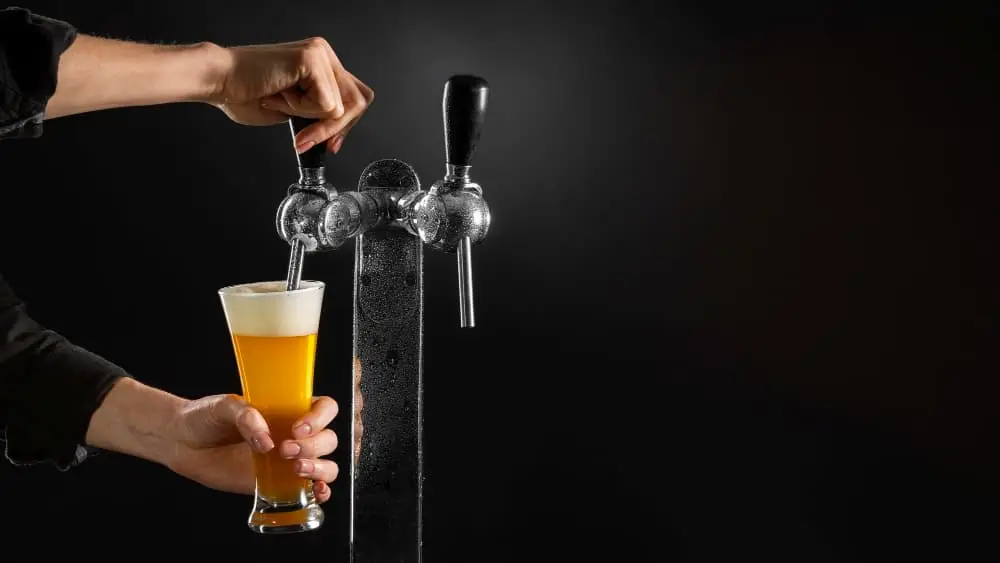
Most beer quality issues do not start in the keg. They start at the faucet.
Improperly maintained draft systems can introduce bacteria, yeast, and mineral buildup that alter flavor and consistency before the beer ever reaches the glass. Even in a well-executed commercial draft beer system installation, the final point of contact, the tap tower and faucet, is where contamination builds fastest and has the most immediate impact.
Understanding this weak link is critical for any business that depends on serving high-quality beer.
What's In This Guide
Quick Facts 🍺✔ Faucets directly affect beer taste, aroma, and presentation. ✔ Tap towers and faucets get dirty faster than other components. ✔ Dirty point-of-pour parts can cause foam and flavor problems. ✔ Cleaning the lines alone does not fully protect beer quality. ✔ The right cleaning provider helps keep the system reliable. |
What Is a Commercial Draft Beer System and How It Works
A commercial draft beer system installation is designed to move beer from a keg to a customer’s glass while maintaining flavor, carbonation, and temperature. The system relies on balance and cleanliness at every stage.
Key components include:
- Keg, where the beer is stored
- CO2 or mixed gas system that pushes the beer
- Beer lines that transport it
- Tap tower that houses the lines near the point of service
- Faucet that controls the pour
A draft beer system diagram typically illustrates this flow from keg to faucet, showing how pressure and temperature must remain stable throughout the process. While every component matters, the faucet is the last part of the system that touches the beer before service. It is the last surface the beer touches before it is served.
Why Tap Towers and Faucets Are the Most Vulnerable Components
In many draft systems, the weakest point is not the keg or the line. It is the tower and faucet where the beer is finally dispensed.
Tap towers and faucets sit at the final stage of beer delivery, which means any buildup here affects the pour immediately.
Constant Exposure Speeds up Contamination
Unlike sealed sections of the system, towers and faucets are exposed during normal service.
- Warm ambient air can raise the beer temperature near the pour point
- Repeated handling increases contact with outside contaminants
- Residual beer left behind after pours feeds the buildup
Residue Collects Fast in Tight Internal Parts
Faucets trap organic material in small spaces that are easy to miss during routine cleaning.
- Sugars, proteins, and yeast can cling to internal surfaces
- Moisture supports bacterial growth and biofilm formation
- Mineral deposits such as beer stone can develop over time
Final-Point Buildup Has an Immediate Impact
Because these components control the last step before the beer reaches the glass, problems here show up fast.
- Dirty surfaces can cause off-flavors and unpleasant aromas
- Buildup creates nucleation points that trigger excess foam
- Inconsistent flow at the faucet can affect pour quality and presentation
Why Point-of-Pour Components Are Often Overlooked
Tap towers and faucets are some of the most visible parts of a draft system, but they are also some of the most commonly overlooked during maintenance. Many businesses focus on keg storage, gas pressure, and line cleaning schedules. But the point of dispense is where beer is most vulnerable right before service.
Visibility Can Create a False Sense of Cleanliness
Because staff see the outside of the faucet every day, it is easy to assume the component is clean. But exterior appearance says very little about what is happening inside the faucet body, shank, or tower connection points.
Tap Towers Face Different Conditions Than the Rest of the System
The tower sits closer to room-temperature air and active service areas than refrigerated beer lines do. That matters because even slight warming near the point of dispense can affect carbonation and pour stability.
When tower cooling is inconsistent, businesses may notice:
- More foam at the start of the pour
- Uneven carbonation in the glass
- Less consistent beer temperature
How Dirty Faucets Affect Beer Quality
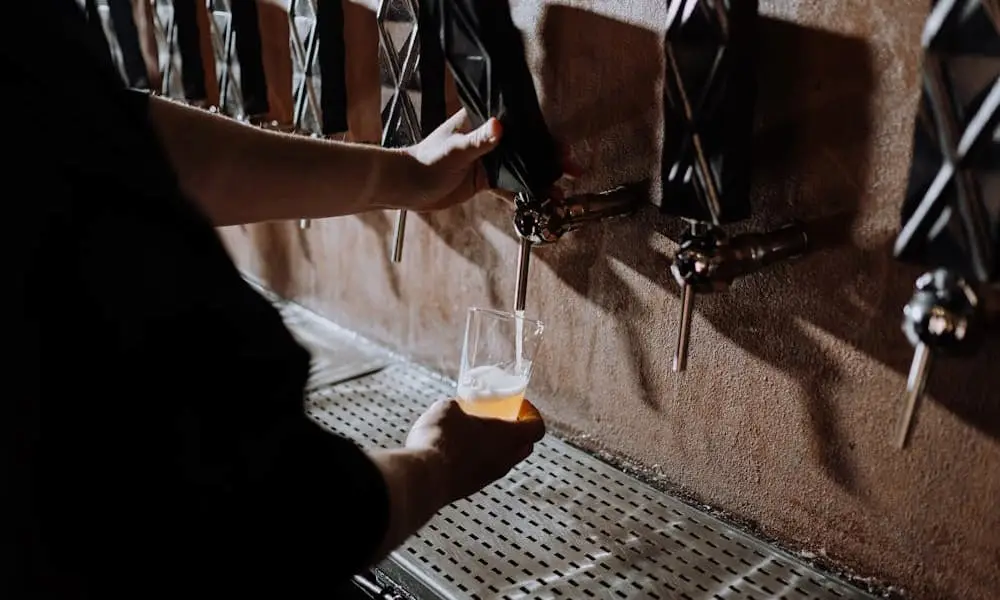
Dirty faucets do more than make a draft system look poorly maintained. They directly interfere with how beer tastes, pours, and performs in the glass. Because the faucet is the final point of contact, any buildup, bacteria, or temperature issue at this stage shows up immediately in the finished pour.
Flavor Degradation
When residue, bacteria, or yeast collect inside a faucet, they can interfere with the beer’s intended flavor profile. Instead of tasting clean and true to style, the beer may develop sour, stale, buttery, or slightly metallic notes.
Foam and Pour Issues
A dirty faucet also affects how the beer behaves in the glass. As residue builds up inside the faucet, it creates tiny rough spots where carbon dioxide can escape too quickly. These spots, known as nucleation points, trigger excess foam during the pour.
Temperature and Carbonation Imbalance
Warmer beer releases CO2 faster, which can cause two problems at once. The pour may become too foamy at first, and the beer itself may seem flatter once it settles. This makes the product feel inconsistent.
Cross-Contamination Between Products
In multi-tap systems, dirty components can also create cross-contamination risks. Bacteria, yeast, and residue may spread between shared or closely connected parts, especially when cleaning is inconsistent or incomplete.
How Often Should Tap Towers and Faucets Be Cleaned
Industry standards recommend cleaning draft lines every two weeks. This includes the tap towers and faucets, not just the lines themselves.
Additional best practices include:
- Daily external cleaning of faucets to remove visible residue
- Regular inspection of internal components
- Periodic deep cleaning to remove beer stone and biofilm
Even with a high-quality commercial draft beer system installation, maintenance frequency determines performance. New systems still require routine cleaning. Performance depends on consistent maintenance.
How to Properly Clean Tap Towers and Faucets: A Step-By-Step Guide
Internal surfaces can collect yeast, sugar, protein residue, biofilm, and beer stone, all of which can affect taste, aroma, foam, and pour consistency.
A structured cleaning process helps remove buildup from the final stage of beer delivery, where contamination has the fastest and most noticeable impact.
Step 1: Shut Down the Line and Disassemble the Faucet
Start by turning off the beer flow and preparing the faucet for a full cleaning. The goal is to expose every internal surface that comes into contact with beer.
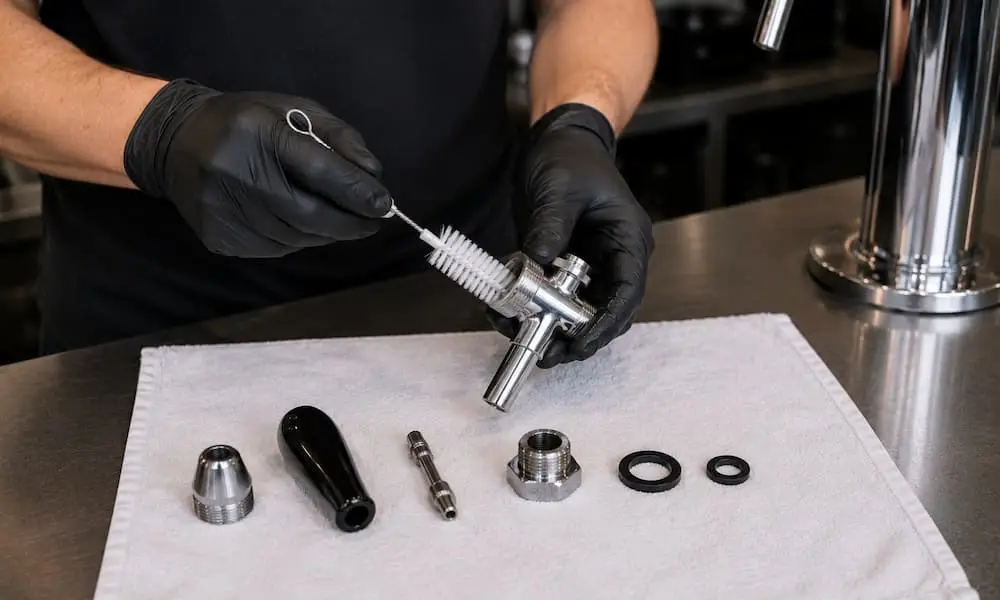
Remove the faucet from the tower and take apart all removable internal components, which may include:
- The nozzle
- Lever
- Shaft
- Bonnet
- Seals or gaskets
Step 2: Soak Components in an Approved Cleaning Solution
Once the faucet parts are disassembled, soak them in a cleaning solution specifically designed for draft systems. In most cases, an approved alkaline cleaner is used to break down organic material such as:
- Yeast
- Protein deposits
- Sugary beer residue
- Sticky film left behind after repeated pours
Allow enough soak time for the cleaner to loosen buildup on internal metal and plastic surfaces. Always mix the cleaning solution according to the manufacturer’s directions.
Step 3: Brush Every Internal Surface Thoroughly
After soaking, clean each component by hand using the appropriate draft cleaning brushes. This is where visible and hidden buildup should be physically removed.
Pay close attention to:
- Threaded areas
- Narrow openings
- Crevices behind seals
- The inside of the nozzle
- Any rough or discolored surfaces
Step 4: Flush the Tower and Beer Lines
After the removable parts are cleaned, circulate the cleaning solution through the tower and beer lines using the correct pressure and procedure for the system.
During flushing, the cleaning solution should move through:
- The beer line
- The tower
- The shank
- The faucet connection points
Step 5: Rinse the System Thoroughly with Clean Water
After the cleaning cycle is complete, flush the system with clean water until all cleaning solution is fully removed. This step is critical because any leftover chemical residue can affect beer taste and compromise product quality.
A proper rinse helps ensure that:
- No cleaner remains in the line or faucet
- Flavor is not altered by chemical carryover
- The system is ready for safe dispensing
Step 6: Reassemble the Faucet and Inspect All Parts
Once the components are cleaned and rinsed, reassemble the faucet carefully. Before putting everything back together, inspect each part for signs of wear, corrosion, cracking, or mineral buildup that may not have come off during cleaning.
Look closely at:
- Seals and gaskets
- Threads and fittings
- Interior surfaces that contact beer
- Small parts that affect flow and closure
How To Choose the Right Beer Line Cleaner
Choosing the right beer line cleaning professional matters because the quality of the service directly affects taste, foam, consistency, and sanitation. Not all providers clean tap towers, faucets, and internal components with the same level of detail, so it is important to look beyond price alone.
Key factors to consider:
- Experience with commercial draft systems, not just basic line flushing
- A clear process for cleaning faucets, tap towers, and other point-of-pour components
- Use of proper cleaning chemicals, tools, and safety procedures
- A consistent service schedule that aligns with industry cleaning frequency
- Strong reputation, reliability, and clear documentation of completed service
Frequently Asked Questions (FAQs)
How long does it take for dirty faucets to affect beer quality?
It can happen faster than many operators expect. Because faucets and tap towers stay exposed to air, moisture, and leftover beer, buildup can begin affecting taste, aroma, and foam within a short time if cleaning is inconsistent.
Can faucet material affect beer quality or cleaning needs?
Yes. Different faucet materials can vary in durability, corrosion resistance, and how easily residue clings to internal surfaces. Regardless of material, all faucets still need routine cleaning to prevent buildup and protect pour quality.
Should tap towers be cleaned differently from beer lines?
They should be cleaned as part of the full system, but towers need extra attention because they sit closer to ambient air and often experience more temperature fluctuation near the point of dispense.
What happens if only the beer lines are cleaned but the faucets are ignored?
The system may still produce off-flavors, excess foam, and inconsistent pours. Since the faucet is the last contact point, neglected faucet buildup can undo the benefits of otherwise proper line cleaning.
Can poor faucet maintenance shorten the life of draft system components?
Yes. Residue, mineral deposits, and corrosion can wear down seals, fittings, and internal parts over time, leading to sticking, leaking, and more frequent replacement needs.

Ready To Improve Your Draft Beer Quality? Start With Proper Cleaning
Maintaining beer quality requires a consistent, detailed approach that addresses every part of the system, especially the final stage where beer is served.
For businesses in Putnam County that want reliable performance and consistent results, working with an experienced provider like Beer Line Cleaning USA can help ensure your tap towers, faucets, and full draft system are cleaned to the standard your product deserves.