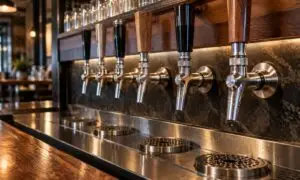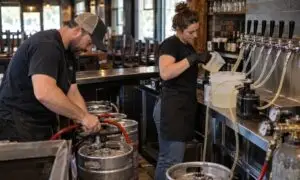
A properly maintained draft beer system does more than deliver cold beer. It helps preserve flavor consistency, reduce product waste, maintain carbonation, and support sanitary dispensing conditions. While many people associate maintenance with basic line cleaning, professional draft beer system maintenance involves inspecting multiple components that affect the way beer pours and tastes.
Beer quality depends on proper cleaning, balanced gas pressure, temperature control, and well-maintained system components. Even small problems inside a draft system can lead to foaming, flat beer, inconsistent pours, or equipment failure over time.
For bars, restaurants, breweries, and taprooms in Putnam County, routine draft system maintenance helps keep service consistent before minor issues turn into wasted product, slow service, or emergency repairs.
What’s In This Guide
- Why Draft System Maintenance Goes Beyond Line Cleaning
- How Technicians Start a Draft System Maintenance Visit
- Inspection Point 1: Beer Lines and Tubing Condition
- Inspection Point 2: Faucets, Couplers, and Beer-Contact Hardware
- Inspection Point 3: CO₂, Nitrogen, and Gas Pressure Settings
- Inspection Point 4: Temperature Control and Refrigeration
- Inspection Point 5: Glycol System Performance
- Inspection Point 6: Leaks, Fittings, and Connection Points
- Inspection Point 7: Cleaning Records and Maintenance Schedule
- How to Prepare for a Draft System Maintenance Visit
- Signs Your Draft System Needs a Professional Inspection
- Frequently Asked Questions (FAQs)
- Schedule a Professional Draft System Maintenance Visit
Quick Facts
- Draft system maintenance includes more than line cleaning.
- Technicians inspect pressure, cooling, tubing, and leaks.
- Temperature and gas issues are common causes of foam.
- Preventive inspections help reduce beer waste and downtime.
- Routine beer line maintenance supports consistent pour quality.
Why Draft System Maintenance Goes Beyond Line Cleaning
Many businesses focus only on beer line maintenance, but a complete draft system requires ongoing inspection of mechanical, refrigeration, pressure, and sanitation-related components.
Draft beer system cleaning typically includes removing residue, yeast, sugar buildup, and beer stone from lines and beer-contact surfaces. While that process is essential, it does not address issues like:
- Incorrect CO₂ pressure
- Glycol cooling problems
- Worn couplers or seals
- Temperature instability
- Gas leaks
- Damaged tubing
- Unbalanced draft lines
A draft system works as a connected network. If one component fails, it can affect carbonation, pour speed, foam levels, and flavor quality throughout the system.
Routine draft system maintenance helps identify developing issues before they cause downtime or excessive beer waste. This is especially important for high-volume Putnam County bars, restaurants, breweries, and event venues that depend on consistent draft performance during busy service periods.
How Technicians Start a Draft System Maintenance Visit
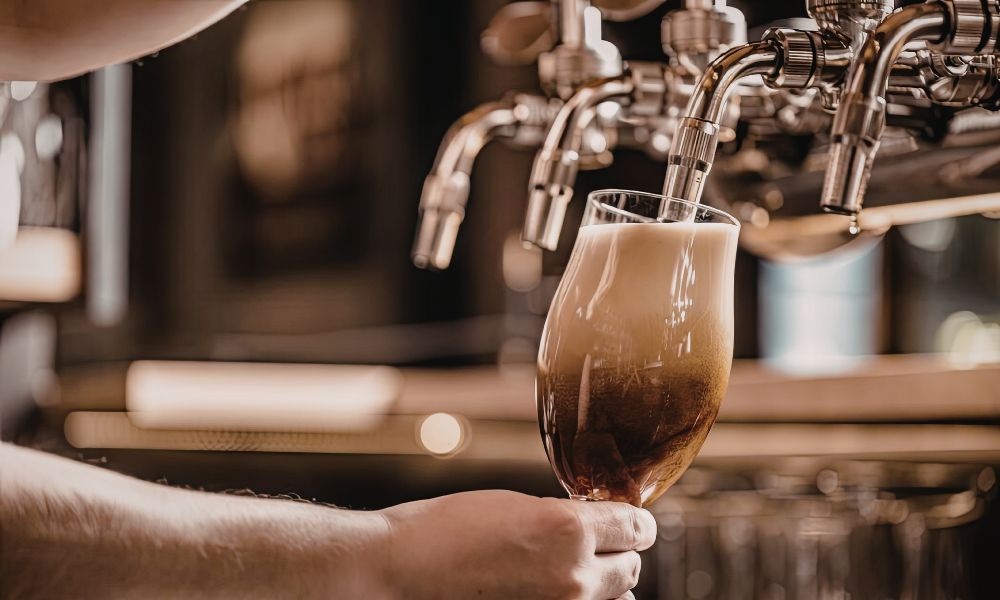
Professional technicians typically begin with a system walkthrough before making adjustments or performing draft beer system cleaning.
They first gather information from staff about recurring issues, including:
- Excess foam
- Flat beer
- Slow pours
- Uneven carbonation
- Faucet-specific problems
- Recent keg changes
- Inconsistent temperatures
These observations help technicians narrow down possible causes before inspecting the system itself.
Step 1: Review Pour Quality and Staff Feedback
Technicians often begin by observing pours directly from the tap. They look for visible indicators such as:
- Excessive head formation
- Sputtering faucets
- Cloudy beer
- Uneven carbonation
- Delayed pouring
- Beer surging in the line
Staff feedback matters because recurring symptoms can reveal patterns linked to pressure imbalance, cooling inconsistencies, or hardware wear.
Step 2: Check the Overall System Layout
The technician then evaluates the system configuration, including whether it is:
- Direct-draw
- Long-draw
- Glycol-cooled
- Air-cooled
They also inspect the placement of:
- Kegs
- Regulators
- Beer towers
- Gas cylinders
- Trunk lines
- Cooling systems
Understanding the system layout helps identify whether issues stem from line length, temperature variation, or improper balancing.
Inspection Point 1: Beer Lines and Tubing Condition
Beer lines are one of the most important parts of draft beer system maintenance because they directly affect product quality.
Technicians inspect beer tubing for:
- Cracks
- Kinks
- Discoloration
- Residue buildup
- Line deterioration
- Loose fittings
- Poor routing
Over time, beer lines can absorb flavor compounds, develop wear, or accumulate buildup that affects taste and flow. Even with regular cleaning, older tubing may require replacement.
Technicians also check whether line lengths and diameters are appropriate for the system’s pressure requirements. Improper restriction can contribute to foam problems and inconsistent pours.
Inspection Point 2: Faucets, Couplers, and Beer-Contact Hardware
Faucets and couplers experience constant use and are common sources of draft system issues.
During beer line maintenance visits, technicians inspect:
- Faucets
- Couplers
- Washers
- O-rings
- Tailpieces
- Seals
- Probe assemblies
- Hex nuts
These components are checked for wear, corrosion, sticking, and beer stone accumulation.
Worn faucet seals may allow air into the system, causing oxidation or inconsistent pours. Damaged couplers can create pressure instability or leakage around keg connections.
Technicians also inspect moving parts for smooth operation. Sticky faucets often indicate buildup or worn internal components that require servicing or replacement.
Because these parts regularly contact beer, proper cleaning and inspection help maintain sanitary dispensing conditions and consistent flavor quality.
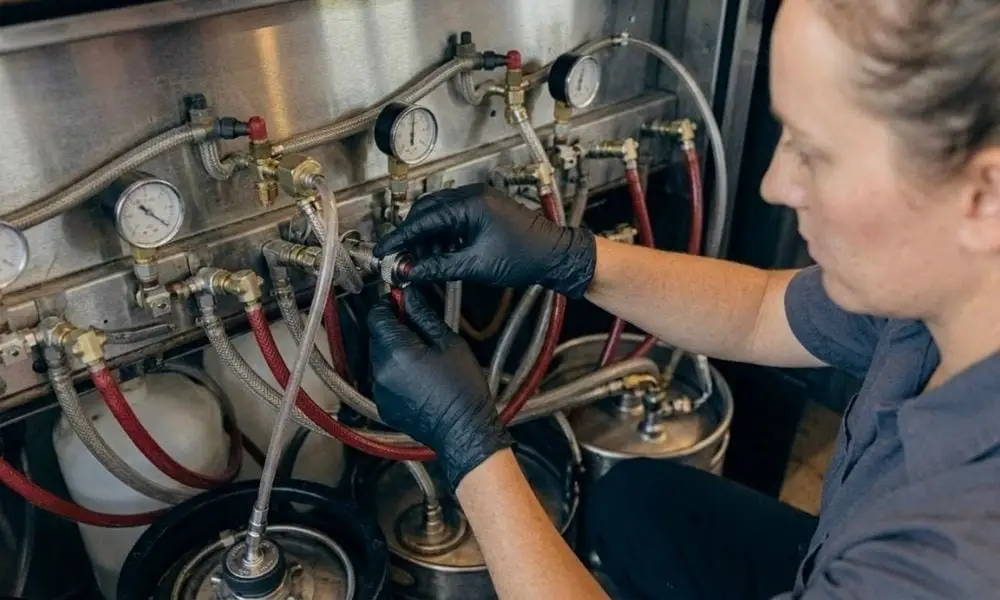
Inspection Point 3: CO₂, Nitrogen, and Gas Pressure Settings
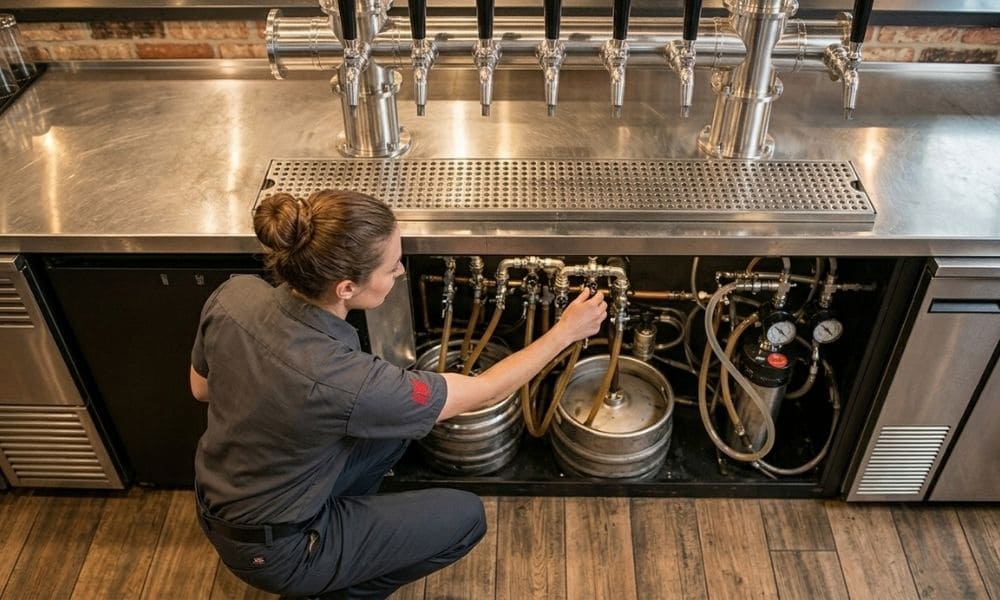
Gas pressure is one of the most critical factors in draft beer system maintenance.
Technicians inspect the entire gas delivery system, including:
- CO₂ tanks
- Nitrogen tanks
- Beer gas blends
- Primary regulators
- Secondary regulators
- Gas manifolds
- Pressure gauges
- Gas lines
Incorrect gas pressure can lead to several common problems:
- Excessive foam
- Flat beer
- Slow pours
- Carbonation loss
- Faucet sputtering
Technicians verify that pressure settings match the beer style, line length, elevation, and cooling conditions. Draft systems must remain balanced so carbonation levels stay stable from keg to faucet.
Gas leaks are also inspected carefully because even small leaks can increase operating costs and reduce system efficiency.
Compressed gas systems require proper handling, inspection, and maintenance to reduce operational and safety risks.
Inspection Point 4: Temperature Control and Refrigeration
Temperature fluctuations are one of the most common causes of draft beer problems.
Technicians inspect several cooling-related areas during draft beer system cleaning and maintenance visits, including:
- Walk-in cooler temperature
- Keg storage temperature
- Beer tower temperature
- Glycol bath temperature
- Product temperature at the faucet
Warm beer releases carbonation more quickly, which increases foaming during pouring. Even a few degrees of temperature variation can affect consistency.
Technicians also inspect refrigeration airflow and verify that cooling equipment maintains stable operating conditions throughout the system.
Temperature control in foodservice environments supports safe handling and product quality.
MORE ON THIS TOPIC: Why Your Beer Is Foamy: Kegerator Troubleshooting Guide
Inspection Point 5: Glycol System Performance
Long-draw draft systems rely on glycol cooling systems to keep beer cold between the cooler and the faucet.
Technicians inspect:
- Glycol bath temperature
- Pump operation
- Glycol concentration
- Trunk line insulation
- Circulation flow
- Condensation buildup
- Ice accumulation
If glycol systems fail or operate inefficiently, beer can warm while traveling through the line. This often leads to excessive foam, inconsistent pours, and wasted product.
Poor insulation or weak glycol circulation may also force refrigeration systems to work harder, increasing wear on cooling equipment.
Because long-draw systems contain more components than direct-draw systems, they require more detailed inspection during routine draft system maintenance visits.
Inspection Point 6: Leaks, Fittings, and Connection Points
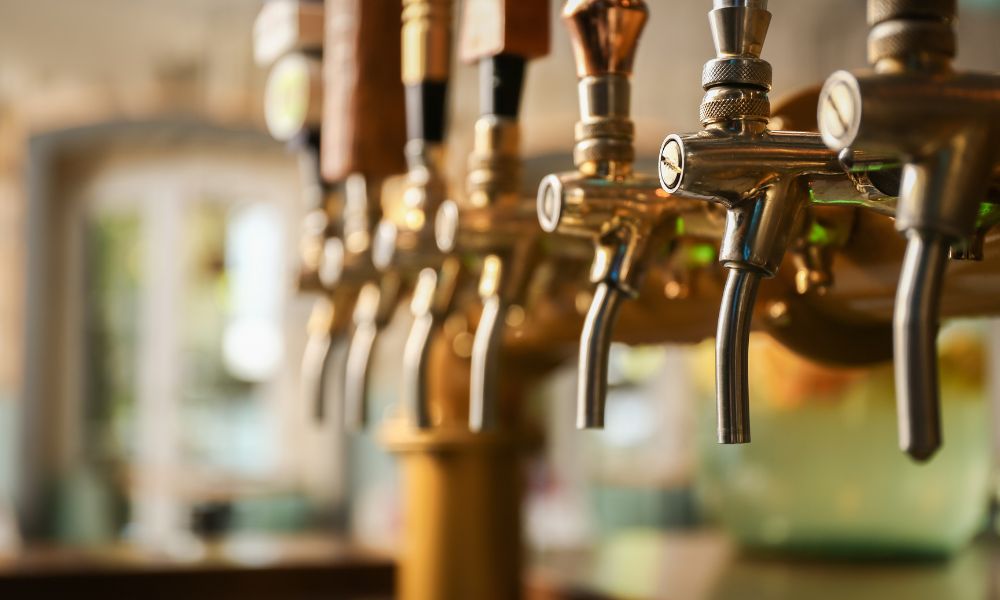
Technicians inspect the entire system for beer and gas leaks.
Common inspection points include:
- Coupler connections
- Regulator fittings
- Hose clamps
- Beer line joints
- Gas manifolds
- Faucet shanks
Even small leaks can cause major operational issues over time, including:
- Beer waste
- Pressure loss
- Sticky residue
- Refrigeration strain
- Pest attraction
- Unsafe working conditions
Technicians also check fittings for corrosion, cracking, or loose hardware that could eventually fail under pressure.
Finding leaks early helps reduce unnecessary product loss and prevents larger equipment problems from developing.
Inspection Point 7: Cleaning Records and Maintenance Schedule
Professional technicians often review maintenance records during a service visit.
These records may include:
- Cleaning frequency
- Last maintenance date
- Parts replaced
- Pressure adjustments
- Recurring system issues
- Sanitization logs
Maintaining documentation helps identify recurring problems and supports more consistent system performance over time.
Routine cleaning and sanitation procedures should follow consistent schedules appropriate for the environment and equipment being maintained.
For bars and restaurants, maintenance records also help ensure accountability and continuity between service visits.
How to Prepare for a Draft System Maintenance Visit
Preparing for a maintenance visit can help technicians diagnose issues more efficiently and reduce service interruptions.
Step 1: Document Any Pour Problems
Before the technician arrives, staff should note issues such as:
- Excessive foam
- Flat beer
- Slow dispensing
- Faucet-specific inconsistencies
- Temperature concerns
Specific observations help technicians identify patterns faster.
Step 2: Clear Access to Equipment Areas
Technicians need safe access to:
- Walk-in coolers
- Keg storage
- Regulators
- Glycol systems
- Beer towers
- Gas cylinders
Keeping these areas accessible allows inspections to move more efficiently.
Step 3: Share Recent System Changes
Recent modifications may affect draft performance, including:
- New keg couplers
- Pressure adjustments
- Added beer lines
- New beer styles
- Equipment replacements
Even minor changes can alter system balance.
Step 4: Request a Service Summary
Businesses should ask technicians what was inspected, cleaned, adjusted, or replaced during the visit. This helps track system performance over time.
Step 5: Schedule Preventive Maintenance Consistently
High-volume establishments typically require more frequent beer line maintenance and inspection schedules than lower-volume locations.
Consistent service helps reduce emergency repairs and unexpected downtime.
Signs Your Draft System Needs a Professional Inspection
Several warning signs may indicate the need for professional draft system maintenance:
- Excess foam
- Flat beer
- Inconsistent carbonation
- Slow pours
- Warm beer at the faucet
- Sticky tap handles
- Frequent gas adjustments
- Visible leaks
- Off-flavors or sour taste
- Uneven performance between taps
Importantly, these symptoms do not always mean the beer lines are dirty. They often point to pressure imbalance, worn hardware, cooling problems, or failing components elsewhere in the system.
Early inspection helps identify the actual cause before product waste or equipment damage increases.
Frequently Asked Questions (FAQs)
What is included in draft beer system maintenance?
Draft beer system maintenance typically includes inspection of beer lines, faucets, couplers, regulators, gas systems, cooling equipment, glycol systems, fittings, and leak points.
Is draft beer system cleaning the same as maintenance?
No. Draft beer system cleaning focuses on sanitation and cleaning beer-contact surfaces, while maintenance includes inspection of pressure systems, cooling components, hardware, and overall system performance.
How often should beer line maintenance be performed?
Maintenance frequency depends on system size, beverage volume, beer type, and operational conditions. High-volume establishments often require more frequent inspections and cleaning schedules.
Why does beer still foam after line cleaning?
Foaming can result from several issues besides dirty lines, including incorrect CO₂ pressure, warm beer, glycol problems, unbalanced lines, damaged seals, or improper restriction.
Can restaurant staff perform draft system maintenance themselves?
Staff can monitor system performance and perform basic checks, but professional technicians are trained to inspect pressure balance, cooling systems, hardware wear, and leak detection.
Schedule a Professional Draft System Maintenance Visit
A draft system operates best when every component works together correctly. Clean beer lines alone cannot prevent issues caused by temperature fluctuations, worn hardware, pressure imbalance, or failing cooling systems.
Routine inspections help identify problems early, improve pour consistency, reduce product waste, and support long-term equipment performance.
Beer Line Cleaning USA provides professional draft beer system cleaning, inspection, repairs, and maintenance services for commercial draft systems that need reliable performance during daily service and peak-volume periods.