What’s In This Guide
- Why Is Draft Beer Foaming Too Much a Serious Problem for Putnam County Bars?
- What Causes Draft Beer to Foam Too Much?
- How Can You Tell Whether Your Bar Has a Draft Beer Foam Problem?
- When Should Putnam County Bar Owners Schedule Professional Beer Line Cleaning?
- How Can Regular Beer Line Maintenance Prevent Draft Beer Foam Problems?
- Frequently Asked Questions
- Ready to Fix Foamy Draft Beer in Your Putnam County Bar?
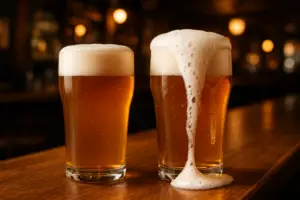
Draft beer should pour smoothly, look clean, and reach customers without slowing down the bar. When too much foam comes out of the tap, the issue can become frustrating fast. Bartenders may have to repour drinks, managers may notice more wasted beer, and customers may start questioning the quality of what they are served.
In many Putnam County bars, excessive draft beer foam is not caused by one single problem. Temperature, pressure, beer line condition, equipment wear, and glassware habits can all affect how beer pours.
Here are the most common reasons draft beer foams too much in Putnam County bars and how to fix them.
Quick Facts
- Draft beer foam frequently originates from temperature and pressure imbalances.
- Dirty beer line symptoms often include excessive foam and inconsistent pours.
- Beer waste, comped drinks, and customer complaints increase operating costs.
- Structured beer dispense troubleshooting identifies root causes faster
- Preventive beer line cleaning reduces foam-related service disruptions
Why Is Draft Beer Foaming Too Much a Serious Problem for Putnam County Bars?
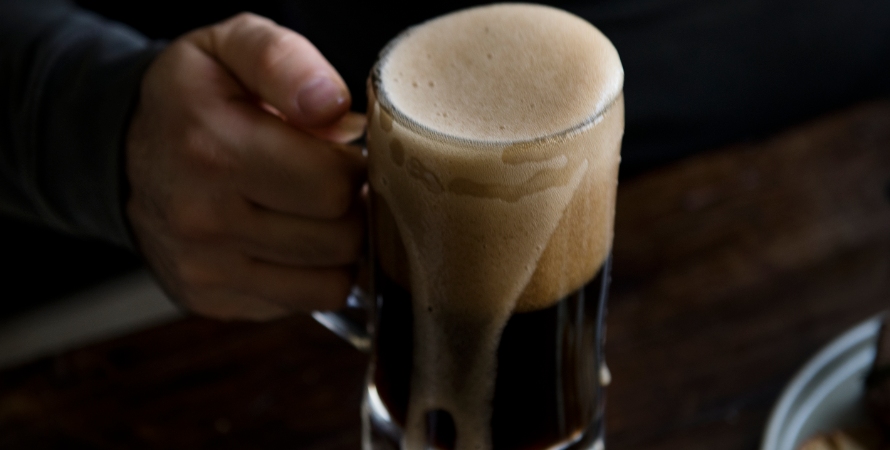
Excessive draft beer foam reduces beverage profitability and creates service challenges. Foam-filled pours waste product, increase bartender workload, and negatively affect customer perception of beer quality.
Draft beer foam is more than a cosmetic issue. Every ounce of foam represents beer that cannot be sold.
Common business impacts include:
- Increased beer waste
- Slower drink service
- More remade beverages
- Higher staff labor costs
- More customer complaints
- Lower beverage consistency
- Reduced customer satisfaction
How Much Money Can Bars Lose from Excessive Draft Beer Foam?
Small pouring inefficiencies can accumulate into substantial monthly losses, especially in high-volume establishments.
|
Foam Issue |
Operational Impact |
|
Overfilled foam |
Lost sellable beer |
|
Multiple repours |
Increased labor time |
|
Comped drinks |
Revenue loss |
|
Customer dissatisfaction |
Lower repeat business |
|
Inconsistent pours |
Inventory discrepancies |
A bar serving hundreds of draft beers weekly may lose significant product volume when excessive foam becomes a recurring issue.
How Does Excessive Foam Affect Customer Satisfaction and Online Reviews?
Customers expect full, properly poured draft beers. Repeated foamy pours can damage trust and influence online reviews.
Customer-facing consequences include:
- Short pours
- Delayed service
- Inconsistent beer presentation
- Perceived quality issues
- Reduced confidence in beverage freshness
What Causes Draft Beer to Foam Too Much?
Most draft beer foam problems come from temperature changes, pressure issues, dirty beer lines, equipment problems, or improper pouring conditions. Several factors can happen at the same time, so the best approach is to check each part of the draft system carefully.
Improper Beer Temperature
Temperature problems are among the most common causes of draft beer foam.
|
Temperature Condition |
Potential Result |
|
Beer too warm |
Excessive foam |
|
Temperature swings |
Inconsistent pours |
|
Warm beer lines |
Foam spikes |
|
Poor cooler performance |
Draft instability |
Signs of temperature-related foaming include:
- Foam increasing throughout the day
- Better pours during low-demand periods
- Warm faucets or beer lines
- Variable beer quality
Incorrect CO2 Pressure
Incorrect gas pressure can cause carbonation imbalance and excessive foam production. Draft systems need balanced pressure settings based on beer style, line length, elevation changes, and cooler temperature.
Common pressure-related symptoms include:
- Sudden foam surges
- Overcarbonated beer
- Inconsistent pouring speeds
- Excess gas breakout
Dirty Beer Lines
Dirty beer lines are a leading cause of draft beer foam and poor beverage quality. Beer spoilage microorganisms are a well-known concern throughout the brewing industry because contamination can affect flavor, aroma, and consistency.
What Are the Most Common Dirty Beer Lines Symptoms?
Dirty beer lines often create multiple quality issues beyond excessive foam.
Common dirty beer lines symptoms include:
- Draft beer foaming too much
- Flat beer
- Sour flavors
- Buttery flavors
- Cloudy appearance
- Slow dispensing
- Foul odors
- Inconsistent carbonation
Visual inspection indicators may include:
- Residue buildup
- Discoloration
- Sediment accumulation
- Faucet contamination
Worn or Damaged Draft System
Aging or damaged equipment can interrupt smooth beer flow and trigger foam formation. Faucets, couplers, regulators, beer lines, seals, and gaskets should be inspected when pours become inconsistent.
|
Component |
Possible Symptom |
|
Faucet |
Inconsistent pour |
|
Coupler |
Pressure issues |
|
Regulator |
Gas instability |
|
Beer line |
Flow restriction |
|
Seal or gasket |
Air intrusion |
Improper Glassware Preparation
Improper glassware preparation can cause excessive foam even when the draft system is working correctly. This usually happens when glasses are not properly cleaned, rinsed, or stored before service.
Common glassware mistakes include:
- Residual detergent or soap left after washing
- Sanitizer that has not fully drained or dried
- Grease, lipstick, food oils, or fingerprints on the glass
- Poor rinsing that leaves chemical residue behind
- Warm glasses that cause co₂ to release too quickly
To prevent this, glasses should be beer-clean, fully rinsed, free from residue, and kept at the proper serving temperature before use.
How Can You Tell Whether Your Bar Has a Draft Beer Foam Problem?
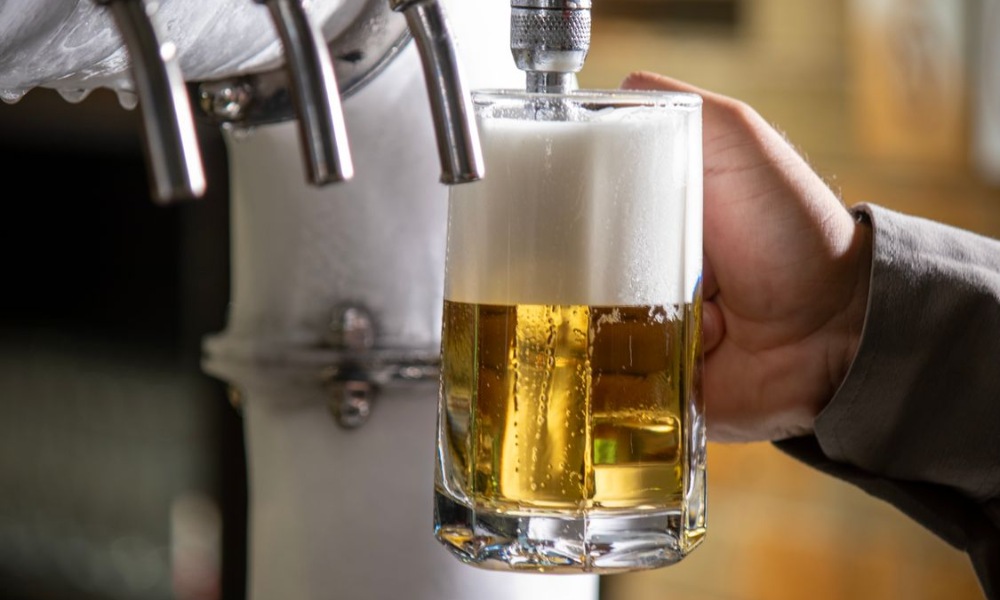
Track Repeated Repours Behind the Bar
Frequent repours are one of the easiest signs to notice because staff deal with the problem in real time. If bartenders regularly dump foam, restart pours, or wait for beer to settle before topping off the glass, the draft system may need closer inspection.
Monitor Beer Waste During Each Shift
Unusual beer loss can point to a foam problem before customers complain. When draft beer foam increases, more product ends up in drip trays, pitchers, or dumped glasses instead of being served.
Listen for Customer Complaints About Short Pours
Customer complaints often reveal foam issues that staff may have started treating as normal. Comments about half-filled glasses, slow service, flat taste, or inconsistent beer quality can all point to a draft beer foam problem.
Compare Pours From the Same Tap
Inconsistent pours from the same faucet can signal temperature, pressure, line, or equipment issues. If one pint pours normally and the next pours mostly foam, the problem is likely coming from the draft setup rather than normal service variation.
Watch for Foam Problems During Busy Hours
Foam that gets worse during rush periods may point to temperature swings, cooler strain, or pressure instability. Busy service can expose problems that stay hidden during slower parts of the day.
When Should Putnam County Bar Owners Schedule Professional Beer Line Cleaning?
Professional cleaning becomes necessary when routine inspections reveal contamination, recurring foam issues, or declining beer quality.
Service triggers include:
- Persistent draft beer foam
- Flavor defects
- Increased waste
- Customer complaints
What Risks Come from Delaying Beer Line Cleaning Service?
Delayed maintenance increases contamination risks and operational costs.
|
Risk |
Potential Impact |
|
Beer waste |
Higher costs |
|
Off flavors |
Customer complaints |
|
Foam issues |
Slower service |
|
Equipment wear |
Repair expenses |
|
Product inconsistency |
Brand damage |
How Can Regular Beer Line Maintenance Prevent Draft Beer Foam Problems?

Regular beer line maintenance prevents foam problems by keeping beer flow clean, stable, and consistent from keg to faucet. A maintained draft system is less likely to develop buildup, pressure disruption, flow restriction, or quality issues that lead to excessive foam.
Removes Beer Line Buildup Before Foam Starts
Routine cleaning removes beer residue, yeast, mineral deposits, and other buildup inside the lines. Cleaner beer lines allow beer to move more smoothly, which helps reduce turbulence and foam during pouring.
Keeps Draft Beer Flow Consistent
Regular maintenance helps prevent restrictions that make beer pour unevenly from the tap. Consistent flow supports better carbonation control, smoother pours, and fewer service interruptions during busy shifts.
Helps Identify Worn Draft System Parts Early
Maintenance checks can reveal worn seals, faucets, couplers, regulators, or beer lines before small issues become larger problems. Replacing damaged parts early helps prevent air intrusion, pressure instability, and inconsistent dispensing.
Supports Proper Temperature and Pressure Balance
A maintenance routine gives staff or technicians a chance to check cooler performance, line temperature, and gas pressure settings. Balanced temperature and pressure conditions help prevent draft beer foam from becoming a recurring service problem.
Reduces Beer Waste and Customer Complaints
Cleaner lines and better system performance can reduce repours, short pours, and comped drinks. For Putnam County bars, regular maintenance helps protect draft quality while keeping service more predictable.
➤ READ NEXT: What Draft System Technicians Inspect During a Maintenance Visit
Frequently Asked Questions
Does a newly installed keg cause more foam?
A newly connected keg can sometimes produce temporary pouring issues if it has been moved, shaken, or not allowed to settle. Allowing the keg to rest before serving can help stabilize carbonation and improve pour quality.
Can seasonal weather changes affect draft beer performance?
Yes. Changes in ambient temperature and humidity can affect cooler efficiency, line temperatures, and overall draft system conditions. Seasonal fluctuations may expose issues that were not noticeable during other times of the year.
How long does it take to identify the cause of draft beer foam?
The time required depends on the complexity of the issue and the condition of the draft system. Simple problems may be identified quickly, while multiple contributing factors may require a more detailed inspection.
Can staff training help reduce draft beer foam?
Yes. Proper pouring techniques and routine observation can help minimize avoidable foam issues. Staff members who understand draft system basics are often better equipped to recognize problems early.
Is professional draft system maintenance only necessary when problems occur?
No. Preventive maintenance is designed to identify and address issues before they affect service quality. Regular inspections and cleaning can help maintain consistent pours and reduce the likelihood of unexpected disruptions.
Ready to Fix Foamy Draft Beer in Your Putnam County Bar?
Foamy pours can lead to wasted beer, slower service, comped drinks, and frustrated customers. Beer Line Cleaning USA helps Putnam County bars, restaurants, breweries, and hospitality venues improve draft performance with professional beer line cleaning, draft system inspections, and beer dispense troubleshooting.
With the right maintenance plan, your bar can serve cleaner, more consistent pours while reducing the hidden costs of recurring draft beer foam.
Contact Beer Line Cleaning USA today to schedule a draft system evaluation for your Putnam County location.