Table of Contents
- What Is Flavor Carryover in Draft Lines, and How Does It Happen?
- Why Does Specialty Beer Carryover Matter for Bars, Restaurants, and Taprooms?
- What Do Established Draught Standards Say About Specialty Beer Lines?
- What Is the Best Beer Line Cleaner for Cider, Sour, and Fruit Beer Lines?
- How Do You Clean Draft Lines After a Cider, Sour, or Fruit Beer Keg?
- When Draught Lines Need Cleaning, Inspection, or Replacement
- What Mistakes Let Flavor Carryover Linger in Specialty Beer Lines?
- What Affects the Cost and Timing of Specialty Draft Line Service?
- Frequently Asked Questions
- Need Help With Draft Line Cleaning After a Specialty Keg in Putnam County?
Regular draft line cleaning after a cider, sour, or fruit beer keg protects whatever beverage pours next. Acidic and fruit-forward products can leave flavor behind in porous tubing, faucets, and couplers, and guests notice when a clean lager tastes tart.
Bars, restaurants, and taprooms in Putnam County that rotate seasonal specialty taps face an operational problem: wasted product, comped pints, and complaints directed at the brewery.
This guide explains flavor carryover, what established standards say about specialty beer lines, and how to choose between routine draft line cleaning, a deeper clean, inspection, or tubing replacement with the best beer line cleaner for your draft system.
Key Takeaways
- Brewers Association minimum standards call for alkaline line cleaning at least every two weeks, with faucets fully disassembled at the same interval.
- The Brewers Association notes lines may need replacement after ciders, sours, fruit beers, root beers, margaritas, and wines to avoid permanent flavor influence.
- Vinyl jumpers and direct-draw lines are replaced every one to two years under BA standards because vinyl is porous.
- Quarterly acid cleaning targets calcium oxalate deposits that alkaline cleaners do not remove.
- A cleaning log and a test pour after each specialty keg show what was cleaned, when, and whether flavor cleared.
What Is Flavor Carryover in Draft Lines, and How Does It Happen?
Flavor carryover is residual taste from one beverage appearing in the next pour through the same line. It happens when a strongly flavored product leaves traces in porous tubing, or in hardware that cleaning did not fully reach.
Most direct-draw systems use a vinyl beer line. The Brewers Association’s Draught Beer Quality Manual describes vinyl as relatively porous and susceptible to bacterial and flavor contamination. The same manual notes that beer held in vinyl line can change flavor overnight.
Off-flavors can be a warning sign of poor draught system hygiene. The Brewers Association identifies diacetyl, which can taste buttery, like buttered popcorn, butterscotch, or caramel, as a common off-flavor associated with dirty draught systems and bacteria such as Pediococcus and Lactobacillus.
A sour or vinegar-like character may point to acetic acid associated with Acetobacter, which can spread from poorly cleaned drains, drip trays, bar surfaces, or faucets into the dispensing system.
Why Does Specialty Beer Carryover Matter for Bars, Restaurants, and Taprooms?
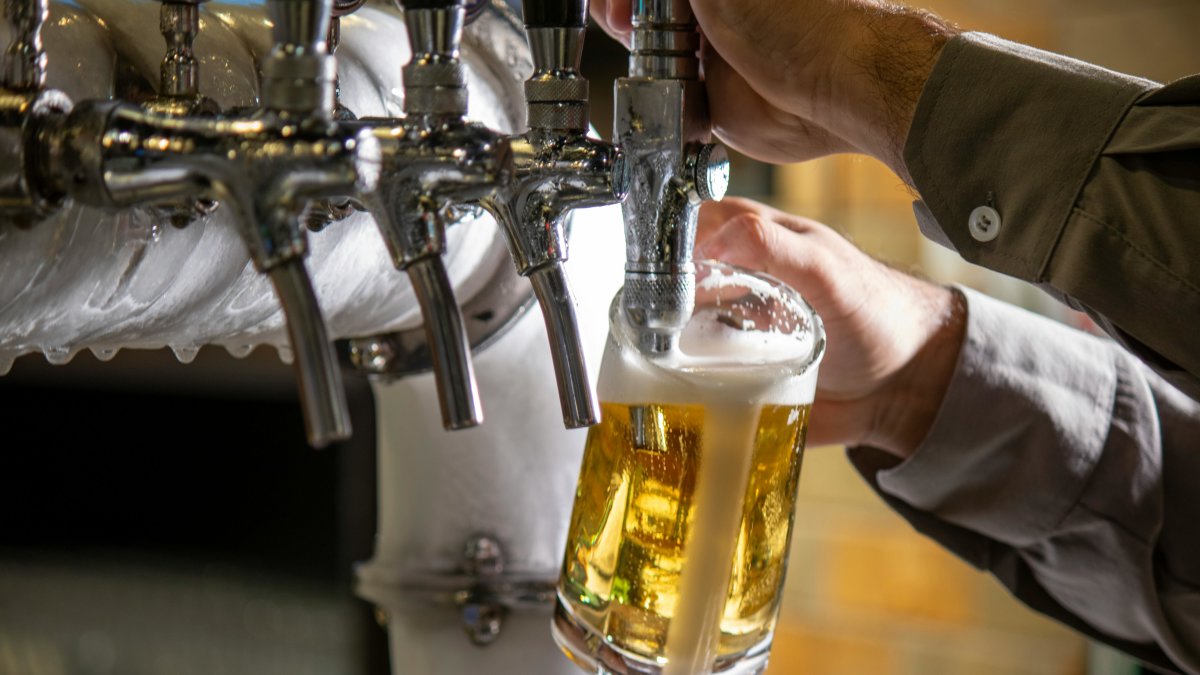
Carryover turns one specialty keg into a recurring quality problem. The next beer pours with the wrong flavor, staff discard product, and guests may blame the brewery or the bar.
- Guest Experience: An off-tasting standard tap weakens repeat visits.
- Product Loss: Dumped pours, comps, and extra test pours reduce keg yield.
- Brewer Standards: The manual’s stated goal is serving draught beer as the brewer intended.
- Staff Confidence: Servers need to trust that every tap pours what the menu says.
Seasonal rotations make this more likely in the fall, when cider and fruited taps often share a tap list with core lagers and ales.
What Do Established Draught Standards Say About Specialty Beer Lines?
The Brewers Association recommends a preventive cleaning and maintenance schedule designed to reduce buildup, bacterial contamination, and persistent flavor carryover in draught systems.
The BA minimum standards include:
- Caustic line cleaning at least every two weeks, with electric-pump recirculation for a minimum of 15 minutes at a flow rate that ideally exceeds normal beer flow.
- Complete faucet disassembly and cleaning every two weeks.
- Acid cleaning every quarter to remove inorganic deposits such as beer stone.
- Replacement of vinyl jumpers and vinyl direct-draw lines every one to two years, or sooner when bacterial or flavor contamination occurs.
- Possible beer-line replacement after dispensing root beer, flavored beers, margaritas, wines, or ciders.
What Is the Best Beer Line Cleaner for Cider, Sour, and Fruit Beer Lines?
Selecting the best beer line cleaner depends on whether you are removing organic buildup or mineral deposits. An alkaline (caustic) cleaner removes organic compounds, proteins, and hop resins, while an acid cleaner dissolves inorganic deposits like calcium oxalate (beer stone). Utilizing proper chemical circulation ensures that specialty line flavor carryover is completely eliminated.
How Do You Clean Draft Lines After a Cider, Sour, or Fruit Beer Keg?
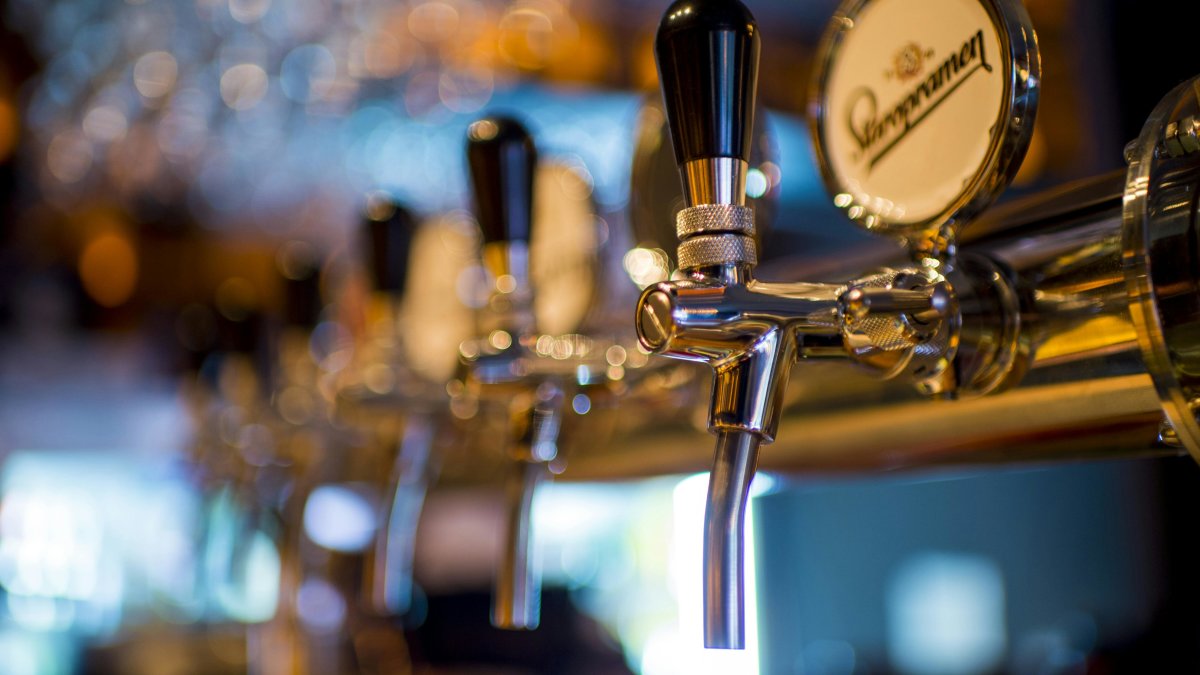
Cleaning draft lines after serving a strongly flavored specialty beverage involves flushing the system thoroughly, recirculating caustic line cleaner at proper temperature and flow rates, and completely disassembling all faucets and couplers. Following up with a clean water rinse and testing the output ensures no residual flavor or chemical remains.
Hardware Holds Flavor Too
Per the manual, the common rear-sealing faucet has a barrel interior susceptible to microbial growth, and its vent holes need careful cleaning. Foam on beer (FOB) devices should be cleaned every two weeks and flushed during line cleaning. Brass contact can also add a metallic taste, so stainless steel parts are preferred.
Barrier Tubing Versus Vinyl
Long-draw systems typically carry beer through barrier tubing, which the manual says has a glass-smooth lining that inhibits beer stone and microbial growth. Vinyl is better suited to short jumpers and direct-draw runs where replacement is practical.
When Draught Lines Need Cleaning, Inspection, or Replacement
Start with routine cleaning. If flavor or buildup persists, move to inspection or replacement as needed.
|
Condition |
Recommended Action |
|
Routine service is due |
Complete scheduled caustic cleaning and fully clean faucets |
|
Flavor remains after cleaning |
Repeat cleaning and inspect faucets, couplers, and FOB devices |
|
Quarterly acid cleaning is due |
Perform acid cleaning separately, following manufacturer directions |
|
Flavor problems keep returning |
Inspect for worn, stained, or contaminated parts and replace as needed |
|
Vinyl lines reach their 1–2 year service interval |
Replace every one to two years, or sooner if contaminated |
|
Lines carry strongly flavored products |
Consider replacement if persistent flavor remains after cleaning |
|
Long-draw lines have recurring issues |
Have the system professionally evaluated before replacement |
Where practical, assigning strongly flavored products to designated lines may help reduce flavor carryover to standard beer lines.
What Mistakes Let Flavor Carryover Linger in Specialty Beer Lines?
Five mistakes account for most lingering flavor in specialty beer lines: rinsing instead of cleaning, skipping hardware, keeping aged vinyl, changing pressure to compensate, and not keeping records. Each one lets residue stay in the system after a cider, sour, or fruit beer keg.
Rinsing With Water Instead of Cleaning With Chemistry
Water flushes out leftover beverage, but it does not break down biofilm or beer stone. Biofilm calls for an alkaline (caustic) cleaner, and beer stone calls for an acid cleaner. A water-only rinse after a cider keg leaves both in place, so flavor carryover can return with the next pour.
Overlooking Faucets, Couplers, and FOB Devices
Clean tubing does not guarantee a clean pour. Faucets, couplers, and foam on beer (FOB) devices have crevices and small parts where residue collects. Disassembling and scrubbing each component during draft line cleaning removes a source of draft line contamination that flushing alone cannot reach.
Leaving Aged Vinyl Tubing in Service
Vinyl is porous, so it can hold onto strong flavors even after a thorough clean. Vinyl jumpers and direct-draw lines that have run several specialty kegs, or that have passed the replacement interval, may keep releasing flavor into standard taps. Replacing them on schedule is often the only lasting fix.
Adjusting Pressure to Mask the Problem
Staff sometimes change gas pressure when a tap tastes or pours differently after a specialty keg. Pressure controls carbonation and flow, not residue. Adjusting it can create foaming or flat pours on top of the original flavor problem, and the underlying buildup stays where it is.
Skipping the Cleaning Log and Test Pour
Without a dated record, nobody can confirm when a line was last cleaned or whether a specialty keg ran through it. A short log and a test pour after each rotation show what was serviced and whether the flavor cleared. That record also tells a technician where to look if the problem comes back.
READ MORE: How to Tell If Your Draft Beer Lines Are Dirty (7 Signs Bar Owners Miss)
What Affects the Cost and Timing of Specialty Draft Line Service?
Cost depends on the system and the scope of work, so any estimate is a range, not a fixed price. Specialty line service may fall somewhere between $ and $$$, depending on the factors below.
- Number of lines and taps
- Direct-draw or long-draw layout, and line length
- Hardware condition and parts needing replacement
- Access to coolers, towers, and trunk lines
- Urgency, scheduling window, and service frequency
Timing follows the same factors. A small direct-draw system takes less time than a multi-tap long-draw system. Beer Line Cleaning USA can provide an accurate estimate after reviewing the system.
Frequently Asked Questions
How often should draft lines be cleaned when serving cider or sour beer?
Draft lines should be cleaned at least every two weeks, per Brewers Association standards. Specialty beer taps with cider, sours, or fruit beers don’t change the minimum two-week schedule, but they increase the need for thorough cleaning and checking line condition.
Can one cleaning remove cider flavor from vinyl beer line?
Sometimes, but not always. Strongly flavored or highly acidic beverages can penetrate vinyl lines deep enough that standard cleaning won’t clear the taste, requiring line replacement.
Do sour beers and ciders permanently change draft lines?
Yes, porous vinyl tubing can permanently absorb flavor compounds from sours, ciders, and fruit beers, which is why line replacement is often necessary for those taps.
Should specialty beverages run on a dedicated line?
Yes, dedicating specific lines to ciders, sours, or fruit beers is an effective way to prevent flavor carryover to delicate styles like lagers or pilsners.
How can a bar tell carryover from contamination?
Flavor carryover specifically tastes like the previously served beverage. Contamination usually produces off-flavors like sourness, vinegar, or butter caused by wild yeast or bacteria growth.
Need Help With Draft Line Cleaning After a Specialty Keg in Putnam County?
At Beer Line Cleaning USA, we provide commercial draft system cleaning, repair, installation, and maintenance for bars, restaurants, breweries, and venues across New York, New Jersey, and Connecticut.
We have serviced thousands of draft systems, including those of Putnam County operators who rotate ciders, sours, and fruited taps through the same lines. Our technicians look at the whole system, not just the tubing, so flavor problems get traced to their source.
Ready to keep your next pour tasting the way the brewer intended? Request a quote or call us and we will help you schedule draft line cleaning for your specialty tap rotation.
(update the URL with the actual contact page URL)