What’s In This Guide
- What Is a Glycol Draft Beer System?
- When Does a Putnam County Venue Actually Need Glycol Cooling?
- How a Glycol Draft Beer System Works
- Glycol Chiller Maintenance: Protecting the Heart of the System
- When to Bring In a Professional Draft System Installer
- Frequently Asked Questions
- Plan a Glycol Draft Beer System for Your Venue
If your kegs sit in a walk-in cooler down the hall, in the basement, or behind a wall that is nowhere near the bar, standard refrigeration alone cannot keep beer cold on its way to the faucet.
That gap between keg and tap is exactly where glycol beer system installation comes in. For Putnam County bars, restaurants, breweries, and event venues planning long-draw or multi-bar setups, glycol cooling can help reduce temperature-related foam issues and support more consistent pours.
Here is how a glycol draft beer system works, when a venue actually needs one, and what to weigh before committing to an installation.
Quick Facts
- Keg-to-tap runs over 25 feet typically need a glycol draft beer system.
- Insulated trunk lines pair beer and coolant lines, with runs reaching 750 feet.
- A glycol power pack cycles the coolant between 28 and 34°F.
- Routine chiller maintenance protects pour quality after glycol beer system installation.
- Multi-bar layouts, bar remodels, and large-scale venues are common triggers for professional installation.
What Is a Glycol Draft Beer System?
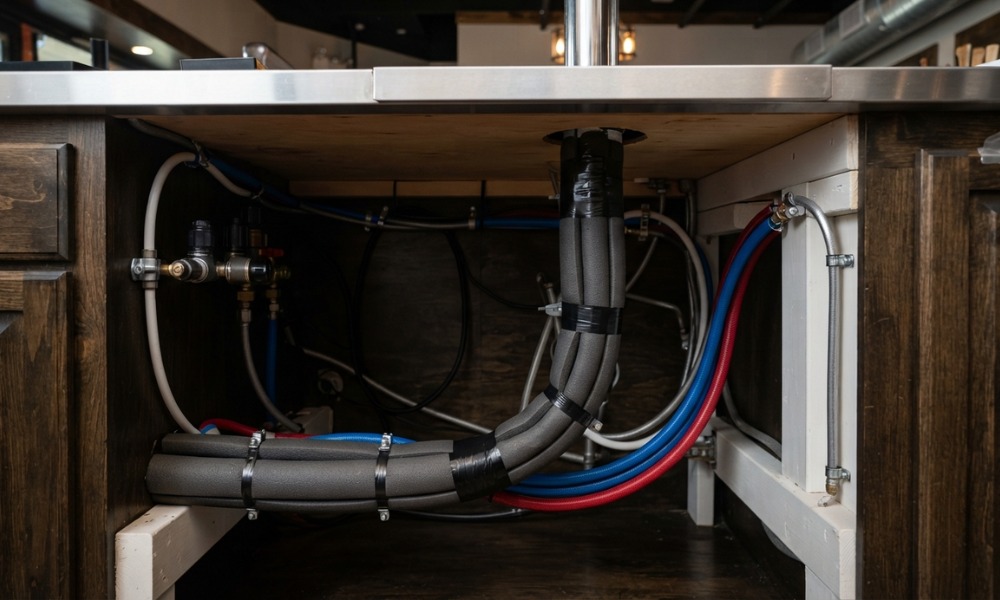
A glycol beer system is a long-draw dispensing setup that uses a chiller, called a glycol power pack, to circulate a chilled food-grade glycol and water mixture through insulated trunk lines that run alongside the beer lines. The coolant absorbs heat along the entire run, so beer stays cold from the keg room to the tap tower.
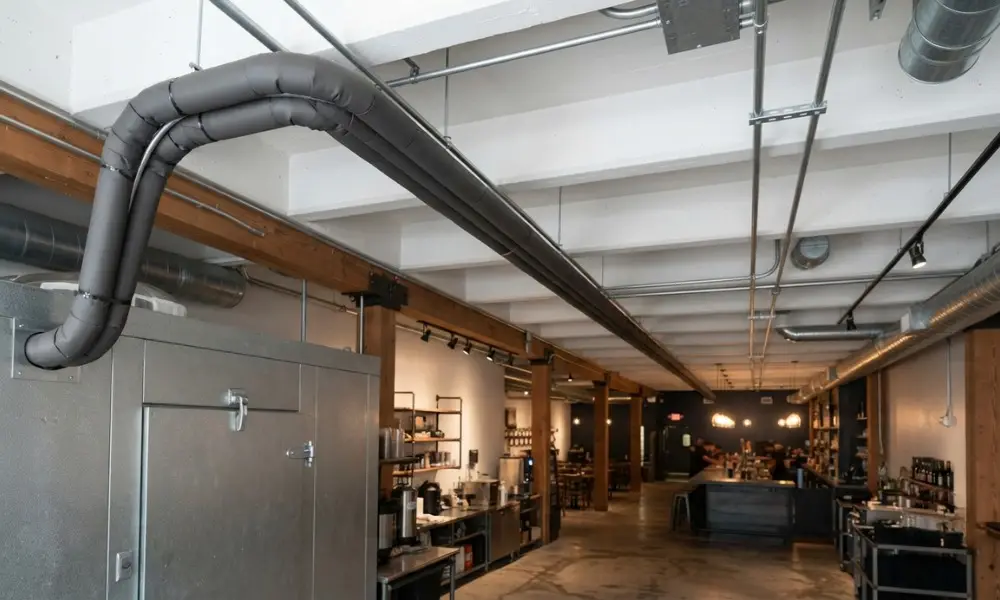
In a short direct-draw setup, the keg sits directly under or behind the bar, and the beer only travels a few feet inside refrigerated space. In a glycol system, the keg room can be a full floor away. The trunk line acts as a cold highway, carrying multiple beer lines and glycol lines together inside one insulated bundle.
The goal is simple: hold the beer at the proper dispensing temperature for the entire trip. The Brewers Association identifies 34 to 38°F as the standard serving range for draft beer, and any warm section between the cooler and the faucet invites CO₂ to break out of solution and turn beer into foam.
When Does a Putnam County Venue Actually Need Glycol Cooling?
The short answer: when the keg-to-tap distance exceeds roughly 25 feet, or when one keg room needs to serve multiple bars. Below that threshold, direct-draw and air-cooled setups usually hold temperature fine. Beyond it, glycol becomes the practical standard.
When Kegs Are Stored Far From the Taps
If the walk-in cooler sits in a basement, back room, or service corridor, beer has to travel through unrefrigerated space to reach the faucet. Once that trip gets long enough, standard setups can no longer hold serving temperature, and a glycol draft beer system becomes the reliable option.
When One Keg Room Serves Multiple Bars
Venues pouring from a single centralized keg room to a main bar, patio bar, or event station need cooling that follows the beer to every destination. Glycol-cooled trunk lines make that centralized layout workable.
When the Tap Lineup Outgrows Behind-the-Bar Storage
Growing tap programs eventually run out of room under the bar. Moving kegs to centralized storage keeps service areas clear, and glycol cooling keeps every line cold along the way.
When the Venue Operates at Large Scale
Banquet halls, golf clubs, expanded taprooms, and stadium-style concession layouts often involve long line runs by design. At that scale, glycol beer system installation is typically part of the plan from the start.
When a Renovation Moves the Bar
Relocating a bar during a remodel while keeping the existing cooler can quietly stretch the keg-to-tap distance past direct-draw limits. A layout change is a good moment to reassess the cooling method.
If none of these situations apply and your kegs sit within a few feet of the faucet, a well-maintained direct-draw system is usually the simpler, more budget-friendly choice.
READ MORE: Draft Beer Installation: How to Choose the Right Draft Beer System for Your Business
How a Glycol Draft Beer System Works
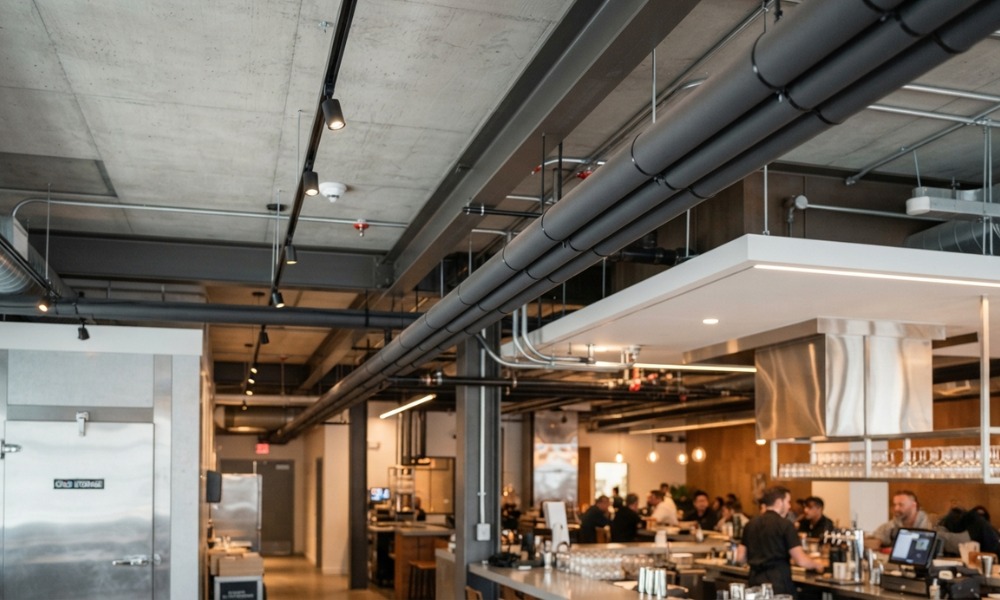
A glycol beer system keeps beer cold by running it side by side with chilled coolant inside an insulated trunk line, from the walk-in cooler all the way to the faucet. Two components do the heavy lifting: the trunk line that carries everything, and the power pack that keeps the coolant cold and moving.
The Insulated Trunk Line Carries Beer and Coolant Together
Trunk lines are assembled in a factory, where multiple beer lines are taped tightly against the glycol coolant lines, then wrapped in a vapor barrier, foil tape, and insulation. Some manufacturers add an outer barrier jacket for extra protection. Because every beer line stays in direct contact with the coolant lines for the full length of the run, the beer holds its temperature no matter how far it travels. Trunk line runs have reached up to 750 feet in large-scale installations.
The Glycol Power Pack Chills and Circulates the Coolant
The power pack has one job: to refrigerate the glycol and keep it moving through the loop. An adjustable thermostat cycles the coolant between 28 and 34°F, cold enough to absorb heat along the run without freezing the beer beside it.
The Coolant Loop Runs From Cooler to Faucet and Back
The power pack pump pushes chilled glycol out through the supply line, through the trunk line, and up through the tower directly behind the faucets. The coolant then travels back through the return line, gets re-cooled at the power pack, and circulates again. That continuous loop is what holds beer at the proper serving temperature across every foot of long-draw draft beer cooling systems.
Glycol Chiller Maintenance: Protecting the Heart of the System
A glycol chiller is the workhorse of any long-draw draft beer cooling system, and maintaining one costs far less than replacing one. Routine checks extend the power pack’s service life and keep pours consistent long after the glycol beer system installation is complete.
Venue staff can perform basic visual checks, but chiller servicing, coolant testing, pressure adjustments, and repairs should follow manufacturer guidance or be handled by a qualified draft system technician.
Keep the Glycol Bath Covered
The bath cover should stay closed at all times. An open cover lets water vapor in, which dilutes the glycol mixture and weakens its cooling strength over time.
Check the Bath Temperature Every Two Weeks
Verify the bath temperature against the manufacturer’s specified range on a biweekly schedule. Most chillers have an external gauge, so this takes only a moment during a routine walkthrough.
Listen to Motors and Pumps Monthly
Smooth, steady operation is the goal. Watch motors for signs of overheating, and inspect pump connections and insulation for leaks or missing coverage before small problems grow.
Clean the Condenser for Proper Airflow
Inspect the condenser monthly for dust and airflow blockages. Removing the grills and clearing the fins with a stiff brush, vacuum, or compressed gas keeps the chiller running efficiently.
Inspect Trunk Lines Twice a Year
Every six months, walk the runs of the glycol draft beer system and look for ice buildup, damaged insulation, or glycol leaks. Any of these can quietly raise line temperatures.
Test the Glycol Mixture on Schedule
Check the coolant’s condition twice a year, and test its freezing point with a refractometer roughly every 18 months. Concentrations typically fall in the 20 to 25 percent range, but manufacturer recommendations always take priority.
When to Bring In a Professional Draft System Installer
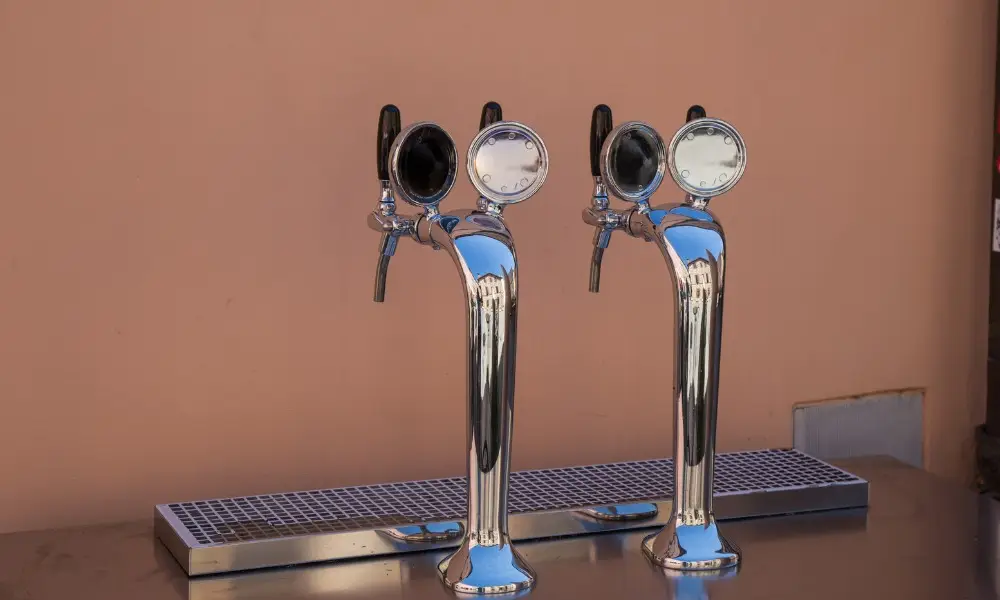
Bring in a professional before finalizing your bar layout, not after. The keg room location, trunk line path, and tower placement all get harder and more expensive to change once walls close up.
Professional commercial draft beer system installation matters most when:
- The project involves long-draw runs, glycol loops, or multiple bars
- The venue is a new build or major renovation where line routing must coordinate with contractors
- The tap program mixes beer with wine, cocktails, nitro coffee, or other draft beverages that carry different pressure and temperature needs
- Consistent pours during high-volume service directly affect revenue
Frequently Asked Questions
How far can a glycol draft beer system run?
Glycol systems are built for long-draw dispensing and can carry beer well beyond the 25-foot limit of direct-draw setups. Properly designed trunk lines routinely run 100 feet or more while holding serving temperature, which is why stadiums, hotels, and multi-bar venues rely on glycol cooling.
Does a glycol system replace refrigeration for the kegs?
No. Kegs still need cold storage in a walk-in cooler or keg room. The glycol loop only protects the beer during its trip through the trunk lines. Both parts must work together, since warm kegs will pour poorly no matter how cold the lines are.
Can an existing direct-draw system be converted to glycol?
In many cases, yes. Conversions typically involve adding a glycol power pack, running insulated trunk lines, and reconfiguring towers and gas. Feasibility depends on building layout and routing paths, so a site assessment is the right first step before committing to the project.
Do glycol systems need different maintenance than standard draft systems?
Glycol systems need everything a standard system needs, including beer line cleaning on an industry-recommended schedule, commonly every two weeks, plus periodic checks on the glycol power pack, coolant condition, and trunk line insulation. Skipping chiller maintenance can quietly raise line temperatures and bring foam problems back.
How long does a glycol beer system installation take?
Timelines depend on trunk line length, tap count, and building access. Smaller conversions move faster than new multi-bar builds coordinated with construction schedules. An installer can give a realistic timeline after reviewing the site, which helps venues plan around service hours and opening dates.
Plan a Glycol Draft Beer System for Your Venue
A reliable glycol draft beer system starts with the right layout, equipment, and installation plan. Beer Line Cleaning USA helps bars, restaurants, breweries, and event venues across Putnam County plan commercial draft systems around their building, tap program, and long-term maintenance needs.
Our team specializes in commercial draft beer system installation, including glycol-cooled system design, keg room setup, trunk line routing, gas regulation, calibration, and ongoing beer line cleaning to help protect long-term system performance.
Contact us to request a consultation and get a site-specific draft system plan for your venue.