What’s In This Guide
- Why Should You Plan Your Beer Tap System Installation Before Ordering Equipment?
- How Do You Prepare Step by Step for Beer Tap Installation Near Me?
- What Space Requirements Should You Evaluate Before Beer Tap Installation Near Me?
- How Can You Choose the Right Beer Tap System for Your Venue?
- What Questions Should You Ask Beer Tap Installers Near Me Before Hiring?
- Frequently Asked Questions
- Ready to Plan Your Beer Tap Installation in Putnam County?
Installing a beer tap system involves more than selecting equipment and choosing tap locations. Proper preparation can improve installation efficiency, support better draft beer performance, and make future maintenance easier. Whether you’re opening a new venue or upgrading an existing space in Putnam County, understanding the key planning considerations can help you avoid unnecessary setbacks and costly adjustments later.
Here are the most important factors to evaluate before beer tap installation begins.
Quick Facts
- Beer tap system installation requires careful planning before equipment is ordered.
- Space, utility access, beer line routing, and keg storage all affect system performance.
- Proper preparation helps reduce installation delays and future upgrade costs.
- Early beer line planning can make future expansion easier.
Why Should You Plan Your Beer Tap System Installation Before Ordering Equipment?
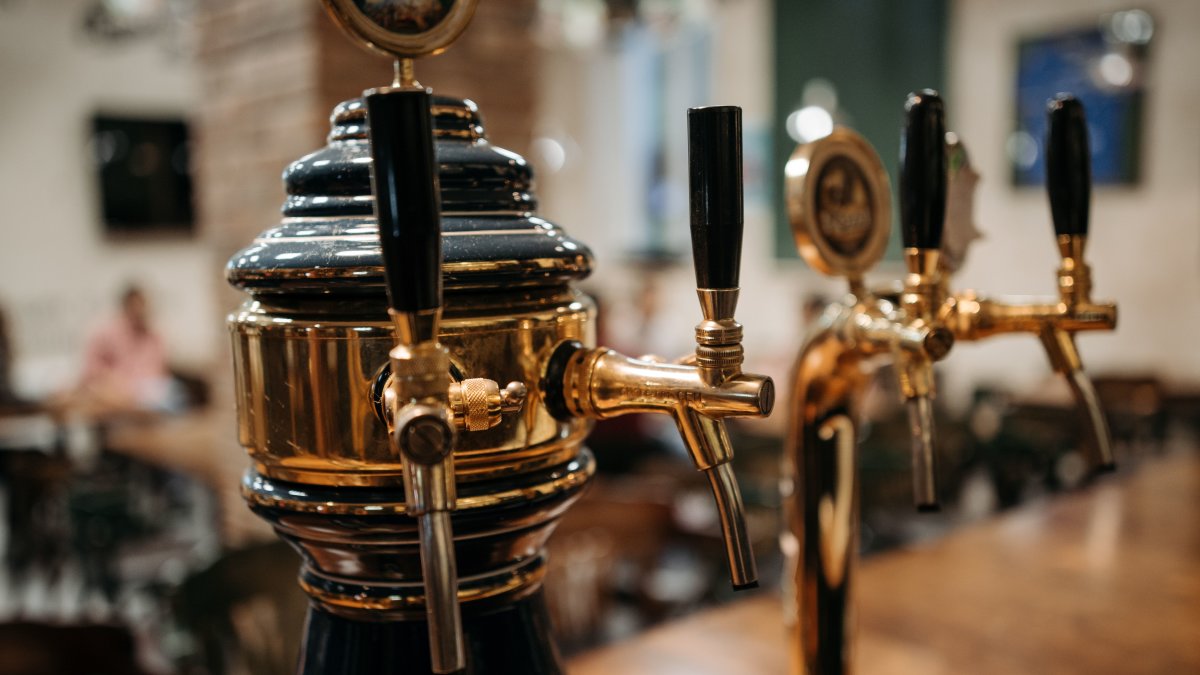
Beer tap system installation should begin with planning, not equipment purchases. Proper planning helps businesses avoid costly modifications, installation delays, and draft beer quality problems.
A beer tap system involves multiple interconnected components:
- Beer taps and towers
- Beer line installation
- Keg storage areas
- Refrigeration equipment
- CO₂ systems
- Electrical infrastructure
- Maintenance access points
A poorly planned installation often creates issues such as:
|
Planned installation |
Unplanned installation |
|
Beer lines follow a clear, efficient route from keg storage to taps. |
Beer lines may run too far, causing pressure and cleaning issues. |
|
Cooling is planned to keep beer temperature consistent from keg to tap. |
Temperature changes can lead to excess foam and poor pours. |
|
Equipment is placed where technicians can clean, inspect, and repair it easily. |
Taps, lines, and equipment may be difficult to access for service. |
|
Layout choices reduce the need for changes after installation. |
Poor placement can lead to costly retrofits or equipment relocation. |
|
Extra space is planned for future taps or beverage options. |
Future upgrades may be limited by space, utilities, or line routing. |
How Do You Prepare Step by Step for Beer Tap Installation Near Me?
Preparing for beer tap installation day means clearing the work area, confirming utility access, organizing equipment locations, and giving beer tap installers a ready site. Proper preparation helps reduce delays during beer tap system installation and supports a smoother beer line installation process.
Clear the Bar, Cooler, and Installation Work Areas
Remove boxes, stored inventory, furniture, tools, and nonessential equipment from the installation zone. Beer tap installers need open access to the bar counter, cooler, keg storage area, ceiling routes, wall access points, and utility areas before beer line installation begins.
Confirm Tap Tower and Keg Storage Locations
Mark the approved locations for tap towers, keg racks, CO₂ tanks, glycol equipment, and refrigeration components. Clear placement decisions help beer tap installers avoid layout confusion and keep the beer tap system installation aligned with the original plan.
Verify Electrical, Water, Drainage, and Ventilation Access
Check that outlets, panels, water connections, drains, and ventilation areas are accessible before the installation team arrives. Utility access helps prevent delays when installers connect refrigeration equipment, glycol chillers, cleaning equipment, or other draft system components.
Prepare Beer Line Routing Paths
Make sure ceiling spaces, wall openings, chases, or under-counter routes are accessible for beer line installation. Clear routing paths allow installers to run beer lines efficiently between the cooler, keg storage area, and tap towers.
Coordinate Equipment Delivery Before Installation
Confirm that tap towers, faucets, beer lines, regulators, CO₂ components, glycol equipment, and refrigeration units are on site before installation day. Missing equipment can delay the beer tap system installation and require extra service visits.
Review Safety, Access, and Building Rules
Confirm building access hours, parking areas, freight elevator use, work permits, and site safety rules before installation begins. Putnam County businesses in shared buildings, restaurants, venues, and commercial spaces should review property rules with management before installers arrive.
Schedule Staff Availability for Final Walkthrough
Assign a manager or decision-maker to be present during installation day. Beer tap installers near you may need quick approvals for placement adjustments, utility access, or minor routing changes during the beer line installation process.
Prepare for Testing, Training, and Cleanup
Leave time after installation for system testing, pressure checks, pour testing, and basic staff training. A final walkthrough helps confirm that the beer tap system installation works properly before regular service begins.
What Space Requirements Should You Evaluate Before Beer Tap Installation Near Me?
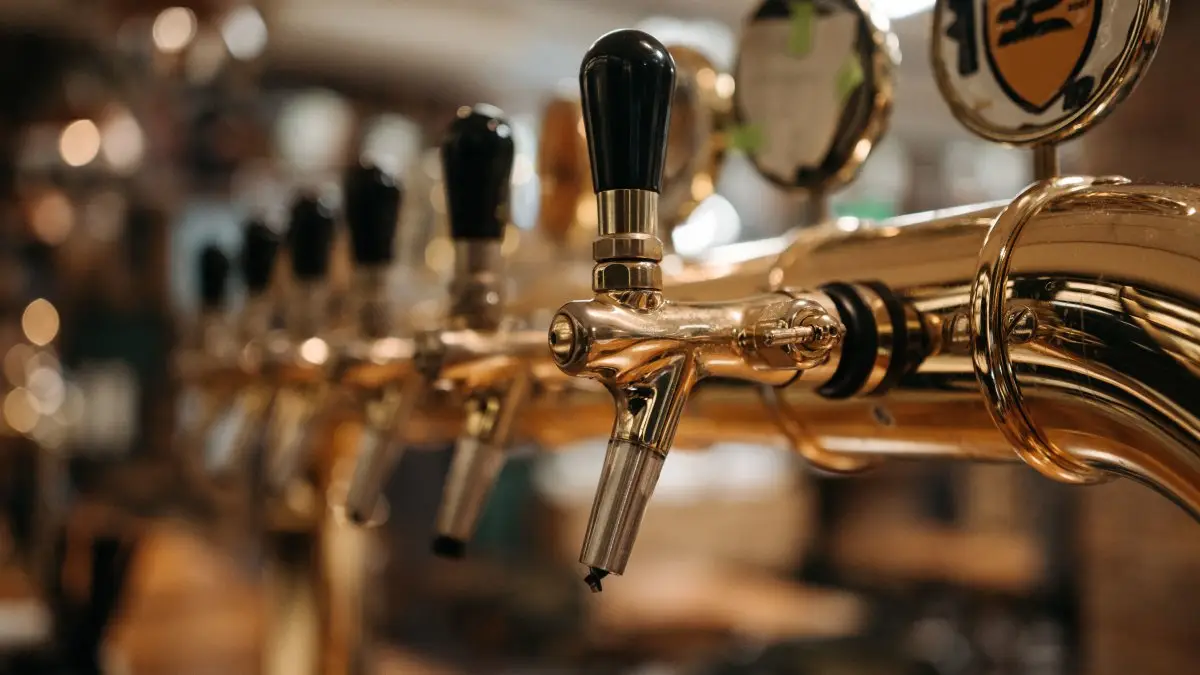
Successful beer tap system installation starts with evaluating all areas that affect equipment placement, beer quality, maintenance access, and future expansion.
Tap Tower Placement and Bar Counter Space
Beer tap towers require sufficient counter space for installation, daily operation, and customer service. During beer tap system installation, operators should evaluate tower location, bartender workflow, customer visibility, and available room for additional taps in the future.
Cooler and Keg Storage Space Requirements
Keg storage areas should provide adequate room for inventory, refrigeration equipment, and staff access. Businesses planning beer line installation should confirm that cooler dimensions can accommodate current demand while leaving space for future product expansion.
Beer Line Routing Space Throughout the Facility
Beer line installation requires a clear path between keg storage and dispensing points. Ceiling cavities, wall penetrations, utility chases, and under-floor routes should be evaluated before installation to support efficient beer line routing and maintenance access.
Draft Equipment and Utility Clearance Areas
Draft beer systems often include CO₂ tanks, regulators, glycol chillers, and refrigeration equipment. Each component requires dedicated clearance for operation, inspections, repairs, and routine servicing.
The Occupational Safety and Health Administration (OSHA) recommends maintaining safe access around equipment and properly securing compressed gas cylinders.
Maintenance and Beer Line Cleaning Access Space
Regular maintenance is essential for draft beer quality. Businesses should reserve sufficient access around beer lines, coolers, and dispensing equipment to allow technicians to perform inspections and scheduled beer line cleaning without disrupting operations.
Future Expansion Space for Additional Beer Taps
Many venues increase tap selections as customer demand grows. Leaving room for additional beer taps, beer lines, and supporting equipment can reduce renovation costs and simplify future upgrades.
➤ READ NEXT: Draft Beer Installation: How to Choose the Right Draft Beer System for Your Business
How Can You Choose the Right Beer Tap System for Your Venue?
Venue size, beer volume, and building layout determine the most suitable draft system design.
Several factors influence system selection:
- Number of taps
- Serving volume
- Distance between cooler and taps
- Available space
- Growth plans
What Types of Beer Tap Systems Are Available?
Each draft system type supports a different venue layout, serving volume, and beer line distance.
|
System Type |
Best Use |
|
Direct Draw |
Small bars and restaurants |
|
Long Draw |
Large venues |
|
Glycol Cooled |
Extended beer line runs |
|
Multi-Tap Systems |
High-volume operations |
How Many Taps Should Your Business Install?
Tap count should reflect customer demand and future expansion goals.
Consider:
- Product variety
- Peak service volume
- Seasonal offerings
- Available cooler capacity
What Questions Should You Ask Beer Tap Installers Near Me Before Hiring?
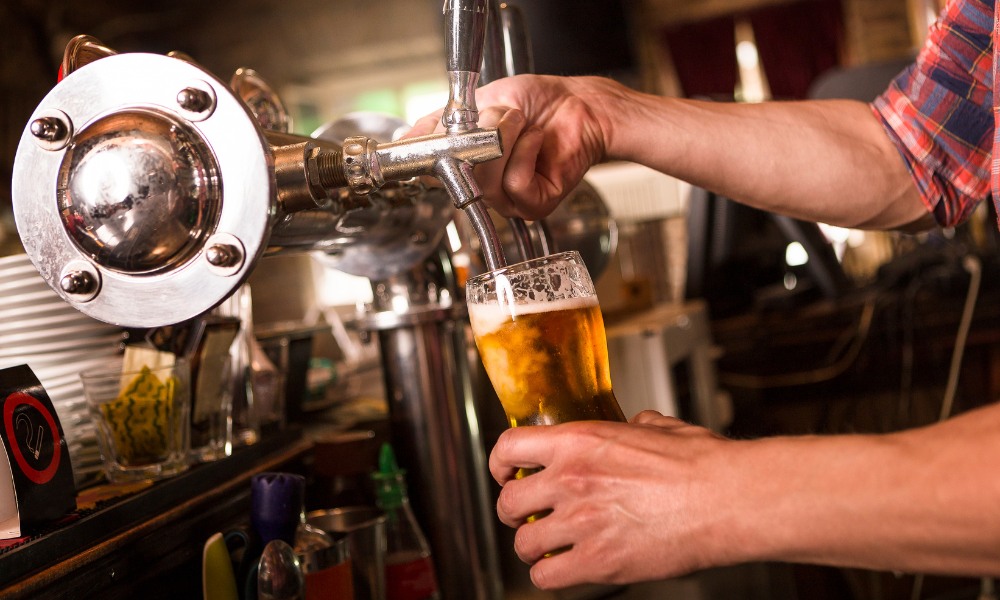
The right installer should understand system design, beer line installation, maintenance requirements, and long-term performance considerations.
What Experience Should a Professional Beer Tap Installer Have?
Experience with draft beer systems directly affects installation quality.
Look for experience involving:
- Beer line installation
- CO₂ system setup
- Glycol system integration
- Draft balancing
- Maintenance planning
What Services Should Be Included in Beer Tap System Installation?
Complete installations should include more than equipment placement.
Comprehensive installation services often include:
- System design
- Beer line routing
- Equipment setup
- Pressure balancing
- Performance testing
- Operator training
Why Is Ongoing Beer Line Maintenance Important After Installation?
Routine maintenance protects beer quality and equipment performance.
Benefits include:
- Better flavor consistency
- Reduced contamination risk
- Improved system efficiency
- Longer equipment lifespan
Can the Beer Tap System Accommodate Future Expansion?
The ability to expand a draft beer system can help support future business growth and changing customer preferences.
Consider asking about:
- Additional tap capacity
- Future beer line installation options
- Cooler expansion capabilities
- Equipment upgrade flexibility
- Infrastructure scalability
What Ongoing Support Is Available After Installation?
Long-term support can help maintain system performance and reduce unexpected downtime after installation.
Consider asking about:
- Beer line cleaning services
- Preventive maintenance programs
- System inspections
- Troubleshooting support
- Equipment repair assistance
Frequently Asked Questions
How long does a commercial beer tap system typically last?
A properly installed and maintained beer tap system can last for many years. Longevity depends on equipment quality, usage levels, routine cleaning, and preventive maintenance.
What factors affect draft beer quality after installation?
Draft beer quality depends on temperature control, proper pressure balance, clean beer lines, and consistent maintenance. Equipment condition and storage practices also play important roles.
Is professional beer line cleaning necessary?
Professional beer line cleaning helps remove yeast, bacteria, mineral buildup, and beer stone that can affect flavor and system performance. Routine cleaning also supports equipment longevity and compliance with draft beer quality standards.
How often should draft beer equipment be inspected?
Routine inspections should occur throughout the year to identify leaks, pressure issues, worn components, or performance concerns. Inspection frequency depends on system size and usage levels.
Can beer tap systems be upgraded after installation?
Yes, many systems can be expanded or upgraded as business needs change. Additional taps, cooling equipment, or dispensing lines can often be added if adequate space and infrastructure are available.
Ready to Plan Your Beer Tap Installation in Putnam County?
A successful beer tap system starts with proper planning. From beer line routing and utility access to equipment placement and future expansion, every decision made before installation can affect long-term performance, maintenance requirements, and draft beer quality. Working with experienced professionals can help ensure your system is designed to meet your venue’s needs from day one.
Beer Line Cleaning USA provides beer line installation support, draft system planning, and ongoing maintenance services for bars, restaurants, breweries, and hospitality businesses throughout Putnam County.
Contact Beer Line Cleaning USA today to discuss your beer tap installation project in Putnam County.