Quick Facts 🍺✔ Foamy beer is usually caused by temperature, pressure, or dirty lines rather than a faulty kegerator. ✔ Warm beer releases CO₂ faster, which leads to excess foam and inconsistent pours. ✔ Dirty beer lines create buildup that disrupts flow and causes foam before the beer reaches the glass. ✔ Balanced pressure and proper line setup are essential for maintaining smooth, controlled pours. ✔ Regular cleaning and maintenance are the most effective ways to prevent recurring foam issues. |
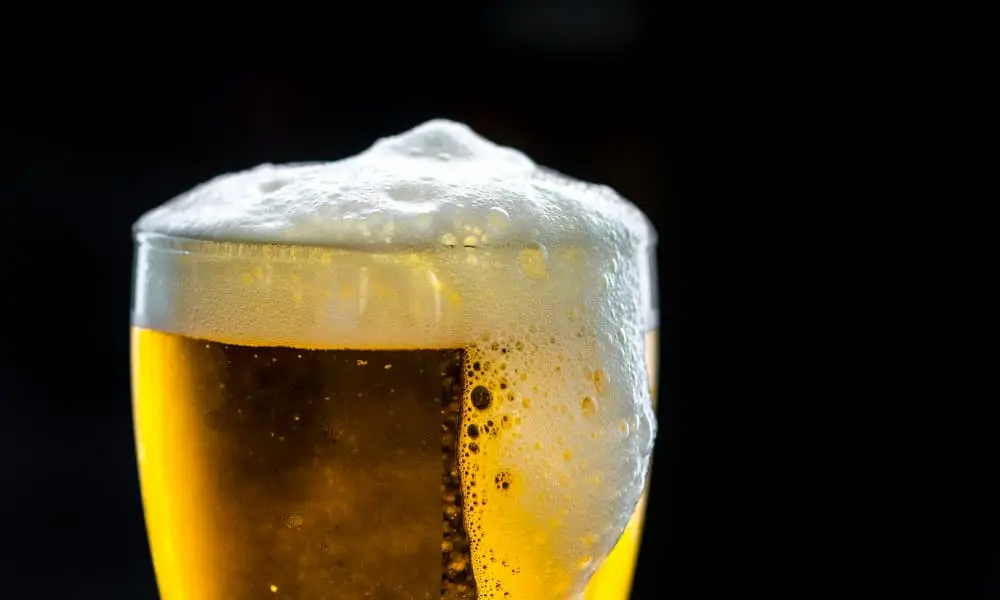
A glass full of foam instead of a smooth, balanced pour is one of the most common frustrations for kegerator owners. It is easy to assume something is wrong with the equipment, but in most cases, the issue is not as straightforward as a broken unit.
Draft beer systems rely on a delicate balance of temperature, pressure, and cleanliness, and even small disruptions can lead to excessive foam.
Understanding what is really happening inside your system is the first step toward fixing it.
Here are the most common reasons your beer is pouring all foam and what you can do about it.
The Real Reasons Your Beer Is All Foam
Foamy beer usually comes down to a few simple issues that affect how carbonation behaves inside your system. Once you understand these, it becomes much easier to fix the problem.
 Temperature Imbalance
Beer pours best when it stays cold and consistent, typically between 36°F and 38°F. When the temperature rises even slightly, the beer cannot hold CO₂ as well, so it releases gas too quickly and turns into foam.
A common issue is a warm draft tower. Even if the kegerator is cold, the beer sitting in the tower warms up between pours. This is why the first pour is often all foam, while the next one improves.
In warmer or humid areas like Putnam County, outside heat can also affect your system and make temperature harder to control.
Incorrect Pressure (PSI)
Pressure controls how CO₂ stays dissolved in the beer. Most systems work best around 10 to 12 PSI.
If the pressure is too high, the beer absorbs too much CO₂ and becomes over-carbonated, leading to foam. If it is too low, the gas escapes too early while traveling through the lines.
A balanced system keeps pressure and temperature working together. When that balance is off, foam shows up.
Dirty Beer Lines
Dirty lines are one of the most common and overlooked causes of foamy beer.
Over time, buildup forms inside the lines, including yeast, bacteria, and mineral deposits known as beer stone. These create rough surfaces that cause CO₂ to form bubbles too early, turning beer into foam before it reaches the glass.
Dirty lines can also affect taste and smell. Even if everything else is set correctly, unclean lines can still ruin your pour.
✔️ Line Size and Length
Beer lines need the right size and length to keep flow steady. Standard lines are usually 3/16 inch in diameter and about 5 to 6 feet long.
If lines are too short, the beer moves too fast and creates foam. If they are too long, pressure drops unevenly and affects the pour.
Proper setup helps keep everything balanced from the keg to the tap.
✔️ Agitation and Pouring Too Soon
Beer needs time to settle after it has been moved. When a keg is shaken or transported, the CO₂ inside becomes unstable.
If you start pouring right away, that instability shows up as foam. Letting the keg sit for a while allows it to settle and pour properly.
How to Fix Foamy Beer: Step-by-Step
Step 1: Set the Correct Temperature
Start by checking your temperature. Your kegerator should stay between 36°F and 38°F for the best results. Instead of relying only on the external dial, place a thermometer inside to get an accurate reading. If your setup includes a tower, make sure it stays cool as well, since warm beer in the tower can quickly lead to foam.
Step 2: Adjust the PSI
Next, look at your pressure settings. Most systems work best between 10 and 12 PSI. If your pressure is too high or too low, it can throw off the balance and cause foaming. Make small adjustments and give the system time to stabilize before making further changes. Constantly adjusting the pressure can make it harder to pinpoint the issue.
Step 3: Clean Your Beer Lines Thoroughly
Cleaning your beer lines is essential for consistent pours. Over time, buildup inside the lines can disrupt the flow and cause excess foam. Using an alkaline cleaner every 2 to 3 weeks helps remove residue and beer stone.
Be sure to rinse thoroughly after cleaning. If foam continues or the beer tastes off, it may be worth looking into a professional service by searching for a beer line cleaner near you.
Step 4: Inspect All Connections
It is also important to check your connections. Worn or damaged parts like O-rings, coupler seals, or hose fittings can create small leaks or inconsistencies in pressure. Even minor issues here can affect how the beer pours.
Step 5: Let the Keg Settle
Finally, give your keg time to settle if it has been moved. Transporting a keg shakes up the carbonation, and pouring too soon can result in foam. Letting it rest allows the CO₂ to stabilize so you can get a smoother pour.
Preventative Maintenance Tips for Better Pours
Keeping your draft system consistent comes down to simple, regular upkeep. Most recurring foam issues are preventable with routine checks and cleaning.
Clean Beer Lines Regularly
Beer lines should be cleaned every 2 to 3 weeks to prevent buildup that can affect flow and carbonation. Residue inside the lines can quickly lead to foam and off flavors.
Monitor Temperature Consistently
Temperature should stay within the proper range to keep CO₂ stable in the beer. Even small fluctuations can lead to foam issues. Checking your internal temperature regularly helps catch problems early.
Keep Your Kegerator in a Stable Environment
Where your kegerator is placed matters more than most people realize. Exposure to heat or direct sunlight can affect internal temperature and performance. A cool, stable location helps maintain consistent pours.
Avoid Frequent Pressure Adjustments
Constantly changing the PSI can make your system harder to balance. It is better to set it within the recommended range and allow time for stabilization. Sudden changes often lead to inconsistent results.
Replace Worn Parts Before They Fail
Components like seals and O-rings wear down over time and can affect pressure and flow. Replacing them early helps avoid unexpected issues. Keeping parts in good condition supports a smoother, more reliable pour.
Hire a Beer Line Cleaner Near Me
If regular cleaning feels difficult to keep up with, hiring a professional can help maintain consistent results. A trained service can remove buildup more thoroughly and spot issues before they affect your system. This reduces foam problems and keeps your beer tasting the way it should.
Why Is My Kegerator Foamy? When It Might Actually Be the Problem
While most foam issues come from maintenance or setup, there are times when the kegerator itself is the cause. These situations are less common, but they can happen, especially with older or heavily used units
Faulty Thermostat
A malfunctioning thermostat can prevent your kegerator from holding a steady temperature. If the temperature keeps fluctuating, the beer will struggle to maintain proper carbonation. This often leads to inconsistent pours and ongoing foam issues.
Malfunctioning Regulator
The regulator controls the pressure inside your system, and when it is not working properly, it can throw everything off. Inconsistent PSI readings or sudden pressure changes can lead to either over-carbonation or gas escaping too early. This can make it seem like no adjustment is fixing the problem.
Cooling System Failure
If the cooling system is not functioning correctly, the kegerator will not be able to keep beer at the right temperature. This can cause constant foam no matter how you adjust the settings. It is usually noticeable when the unit struggles to stay cold at all.
If you have already checked temperature, pressure, and cleanliness but still have issues, the kegerator may need repair. Unstable temperature readings or pressure that will not hold steady are common indicators.
Frequently Asked Questions (FAQs)
Stop Foam at the Source with Proper Maintenance
Foamy beer is rarely caused by a defective kegerator. In most cases, it comes down to temperature control, pressure balance, and line cleanliness. Among these, dirty lines are often the hidden factor that keeps the problem coming back.
Addressing the root cause instead of chasing symptoms is what leads to consistent, high-quality pours. Regular cleaning and system checks ensure your draft setup performs the way it was designed to.
For those who want a reliable solution without trial and error, professional maintenance can make a measurable difference. Working with a trusted service like Beer Line Cleaning USA helps ensure your system stays clean, balanced, and ready to pour properly every time.
Contact Beer Line Cleaning USA now for a comprehensive draft system cleaning and keep your pours consistent, clean, and foam-free.