Quick Facts
 Beer line cleaning typically falls between $6 and $12 per line.
Cleaning every two weeks helps protect flavor, sanitation, and pour consistency.
True service includes recirculating cleaner and scrubbing faucets, couplers, and key parts.
Off taste, excess foam, slow pours, or visible buildup usually mean it’s time to clean.
Regularly scheduled cleanings cut waste and help your draft system last longer.
What’s In This Guide
Clean draft beer is not just about taste. It impacts revenue, compliance, and customer retention. In New York, the average cost to clean a beer line typically falls between $6 and $12 per line, which reflects beer loss during cleaning along with the time, labor, and materials required.
For bars, restaurants, breweries, country clubs, and hospitality venues in Putnam County, knowing what professional beer line cleaning includes and how pricing is commonly structured helps you plan and protect your draft system over the long term.
Here’s a breakdown of what commercial beer line cleaning involves, how often it should be done, what can influence pricing, and how to choose a reliable provider.
What to Expect from a Commercial Beer Line Cleaning Service
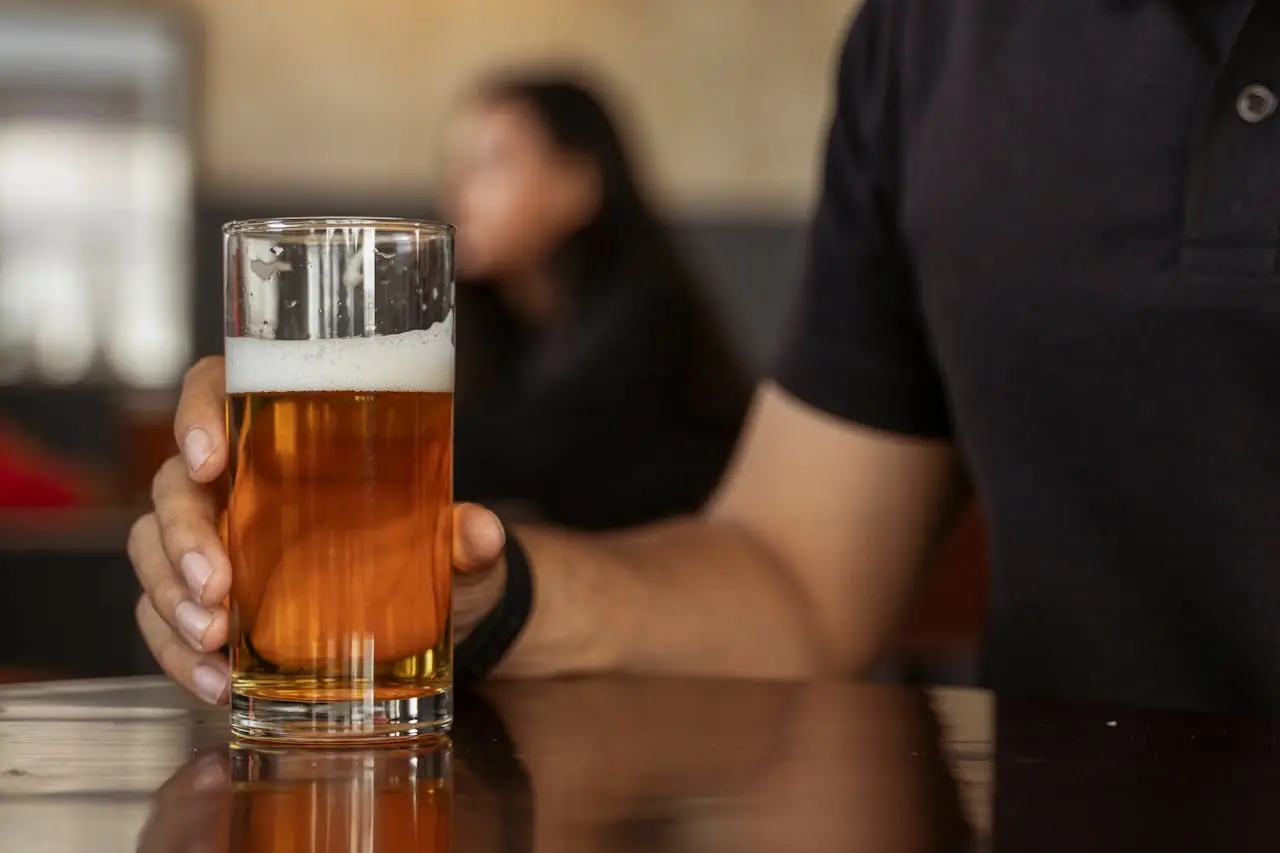
A professional beer line cleaning visit should be consistent and thorough because draft line contamination is more common than most businesses realize, and quick, routine methods often do not reduce spoilage risk enough.
When cleaning is incomplete, customers can end up drinking beer that tastes noticeably worse than intended, even if the brand and keg are fine. Here are the most common elements you can expect during a proper routine service.
Regular Scheduled Visits
Most commercial draft systems are serviced on a set schedule, typically every two weeks. Consistent timing helps prevent buildup before it affects taste and pouring performance.
Thorough Line Cleaning
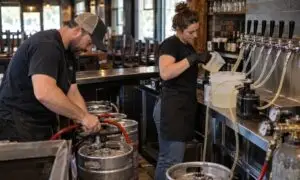
Technicians run an approved cleaning solution through each beer line to break down residue and microbial buildup. Lines are then rinsed fully so the system is ready for safe, clean service.
Component Sanitation
Key parts that touch beer, such as faucets and couplers, are removed and cleaned to prevent contamination at common trouble spots. This step is essential for keeping flavor consistent from keg to glass.
System Testing
After everything is reassembled, the technician checks the flow and pouring performance to confirm the system is operating properly. This helps catch issues like restricted lines or inconsistent pressure early.
Service Documentation
You should receive a record of the cleaning date and what was performed. Documentation supports maintenance tracking and can be useful for internal standards or inspections.
What Commercial Beer Line Cleaning Covers
Commercial beer line cleaning is designed to remove buildup where it matters most: inside the lines and the draft components that directly affect flavor, flow, and sanitation. A thorough service should address both the beer path and the parts around it that can cause contamination or performance issues if they are overlooked.
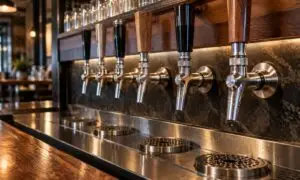
Faucet Deep Cleaning
Faucets are removed and disassembled so internal parts can be scrubbed and sanitized. This helps prevent residue at the point of pour from causing off-flavors and sticky, inconsistent flow.
Coupler Detail
Keg couplers are taken apart and cleaned to clear trapped beer, yeast, and buildup that can contaminate every keg change. Clean couplers also support steadier pressure and fewer pouring problems.
High-Pressure Line Flushing
Each beer line is flushed with a specialized cleaning solution at the right pressure to break down beer stone and biofilm. Lines are then fully rinsed so the system is ready for service without leftover cleaner.
FOB Disassembly and Deep Clean
FOB detectors are disassembled and cleaned to remove buildup that can affect foam control and beer flow in long-draw systems. Keeping these parts clean helps reduce waste and improve consistency at the tap.
Faucet Brush Sanitizing
Cleaning tools like faucet brushes are sanitized so they do not reintroduce bacteria into freshly cleaned parts. This supports better hygiene between professional service visits.
FOB Drain Line Cleaning
FOB drain lines are cleaned to prevent clogs, buildup, and odors in the cooler area. Clear drain lines help keep the system operating smoothly and reduce mess during routine operation.
How Much Does Commercial Beer Line Cleaning Cost in New York?
The average cost of cleaning a beer line is typically between $6 and $12 per line, which accounts for beer lost during the cleaning process as well as the time, labor, and materials required to do the job properly. Now consider some of the costs associated with serving skunk beer, which will eventually be noticed across all taps, not just one, in each of the following scenarios:
What Affects Beer Line Cleaning Costs?
Several factors can influence commercial beer line cleaning costs in Putnam County and throughout New York:
- Number of taps: More taps mean more lines to clean.
- Line length: Long-draw systems typically require more time and cleaning solution.
- System complexity: Remote coolers, multiple zones, and added components increase labor.
- Service frequency: Regular bi-weekly service often lowers the per-line rate.
- Emergency service: Unscheduled or urgent visits may cost more.
- Location and accessibility: Hard-to-reach equipment can increase time on site.
- Number of taps: More taps mean more lines to clean.
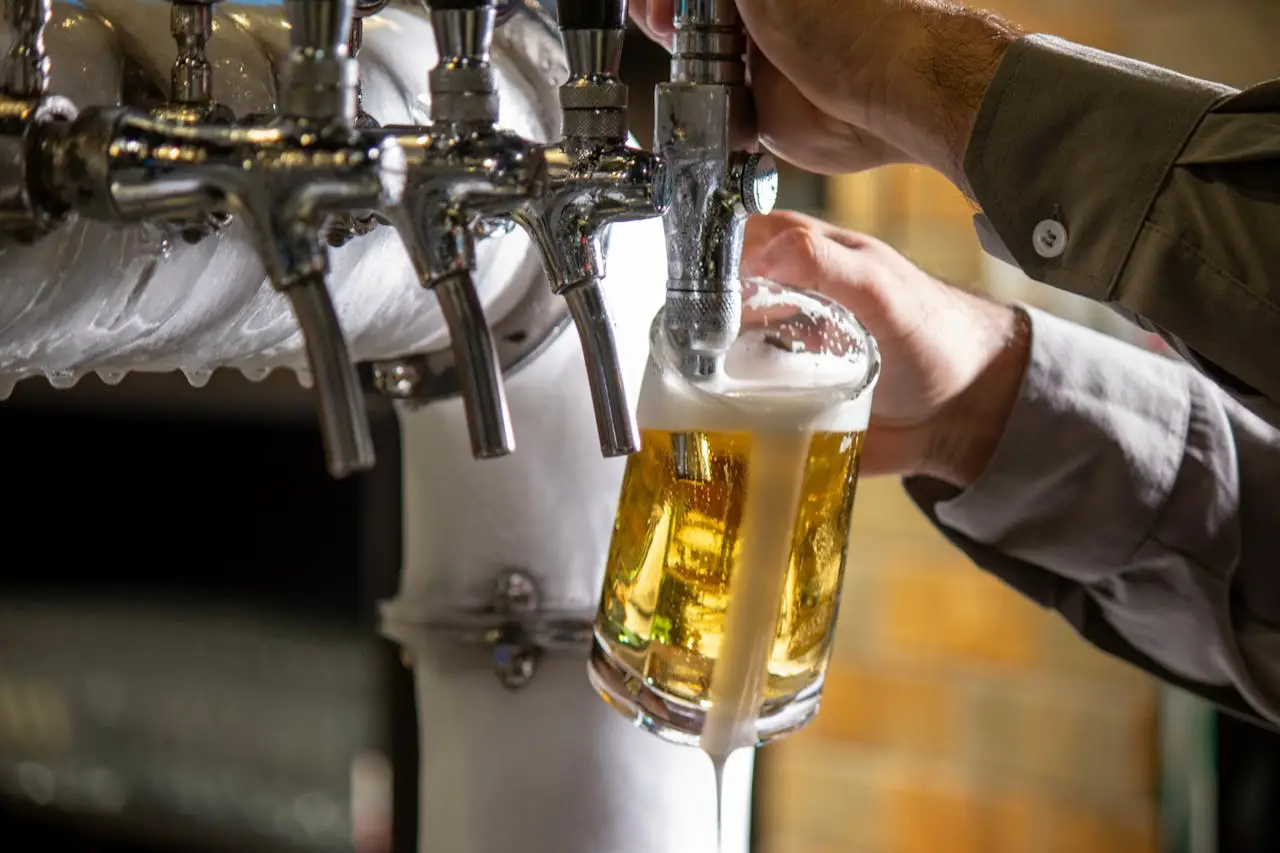
6 Signs Your Beer Lines Need Immediate Service
Even with a regular cleaning schedule, draft systems can develop issues between visits, especially during busy weeks or seasonal rushes. These warning signs help you catch problems early before they impact quality, waste, and customer trust.
1. Off Taste
If beer suddenly tastes buttery, sour, stale, or just “off,” buildup inside the lines or components may be affecting flavor. When multiple guests mention taste changes, it is usually a system issue, not the keg.
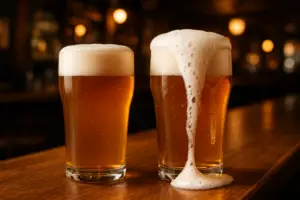
2. Excessive Foam
Over-foaming is a common sign of dirty lines or dirty draft components that disrupt smooth flow. It leads to wasted beer, slower service, and inconsistent pours.
3. Slow Pouring
A noticeable drop in pour speed can signal restriction from residue or buildup in the beer path. Slow pours frustrate staff during peak hours and can throw off drink timing.
4. Weak or Unstable Head
If the head looks thin, collapses quickly, or varies from pour to pour, your system may not be dispensing consistently. Contaminants and residue can interfere with how beer releases carbonation.
5. Visible Buildup Around the Tap
Sticky residue, dark film, or grime around faucets and sinks often indicates bacteria and yeast buildup. If it is visible on the outside, it is usually worse inside the parts.
6. Mold or Odor in the Cooler Area
Mold around lines, fittings, or cooler surfaces is a sanitation red flag and can spread if not addressed. Persistent odors in the cooler can also point to drainage or contamination issues tied to the draft system.
How Often Should Commercial Beer Lines Be Cleaned?
The industry standard is every two weeks. Bi-weekly cleaning is widely recommended to maintain beer quality and prevent microbial growth.
However, some businesses may require more frequent service.
High-volume bars that rotate kegs rapidly may benefit from weekly cleaning. Establishments with extensive craft beer selections may also require closer monitoring due to varied ingredients and fermentation profiles.
Seasonal spikes in Putnam County, especially during warmer months, can increase draft system usage. Higher demand means greater buildup risk.
Choosing a Commercial Beer Line Cleaning Provider in Putnam County
Not all beer line cleaning companies follow the same process, and small shortcuts can lead to repeat issues at the tap. Use the points below to compare providers in Putnam County and choose one that delivers consistent, documented results.
Experience with Your Draft System Type
Choose a provider that regularly services both direct-draw and long-draw systems, since the equipment and cleaning needs are different. The right experience helps prevent missed components and recurring foam or flavor problems.
Consistent Bi-Weekly Scheduling
A reliable provider should be able to keep you on a predictable every-two-weeks schedule. Consistency matters because buildup returns quickly, and gaps in service can affect every tap.
Clear, Transparent Pricing
Look for straightforward per-line or per-visit pricing that makes it easy to budget. A clear quote should also explain what is included, so you can compare apples to apples.
Detailed Cleaning Logs
Professional service should include written documentation of cleaning dates and work performed. Logs help you track maintenance, show consistency, and support internal standards.
Full Disassembly and Hand Cleaning
Ask if faucets and couplers are fully disassembled and cleaned during each visit, not just wiped down. Proper disassembly is often the difference between a clean-tasting pour and lingering off-flavors.
Questions to Ask Before You Hire
A good provider should be able to answer practical questions clearly and confidently before you commit to service. Be sure to ask:
- How often do you recommend cleaning for my specific draft system?
- What exactly is included in the quoted price?
- Do you service both direct-draw and long-draw systems?
- Are faucets and couplers fully disassembled during each visit?
- Will I receive written documentation after every cleaning?

Frequently Asked Questions
Does beer line cleaning require shutting down the draft system?
Yes, the draft system is briefly taken offline during cleaning. Most businesses schedule service during off-hours to avoid disruption. Downtime depends on system size and setup.
Will beer taste normal right after cleaning?
Yes, when done, the lines are rinsed fully so no cleaner remains. The goal is to restore the beer’s intended taste. If flavor seems off after service, the system may need a recheck.
Can dirty lines increase beer waste?
Yes, buildup can cause foam, slow pours, and inconsistent fills. That often leads to more dumped beer and remake pours. Regular cleaning helps stabilize pours and reduce waste.
Do new draft systems still need routine cleaning?
Yes, residue begins forming as soon as the system is used. New equipment can still develop buildup in lines and parts. Routine cleaning should start early to prevent problems.
How long does a typical cleaning visit take?
Most cleanings are completed within a short service window, depending on the number of lines and system type. Smaller setups are faster than long-draw systems. Scheduling routine visits keeps service time predictable.
Schedule Reliable Beer Line Cleaning in Putnam County
Beer line cleaning is commonly priced per line, and most businesses plan for routine service as part of ongoing draft system upkeep. Staying on a consistent schedule helps protect beer quality, reduce avoidable waste, and support long-term equipment performance.
For Putnam County bars, restaurants, breweries, and venues, dependable maintenance also supports your reputation by keeping pours consistent and guest experience predictable. If you are evaluating your current schedule or want a steady service partner, Beer Line Cleaning USA is an option for businesses looking for reliable commercial support.
Contact Beer Line Cleaning USA to set up reliable beer line cleaning in Putnam County.