A packed Friday night can expose every weak point in a commercial draft system. Foam starts overflowing from faucets, pours slow down, beer loses flavor consistency, and bartenders spend more time troubleshooting than serving customers.
In many Putnam County bars and venues, those problems rarely appear overnight. They build gradually through neglected lines, unbalanced pressure, dirty components, and seasonal shutdowns that leave systems sitting too long without proper care.
Preventive service before those busy periods can help operators avoid wasted product, equipment stress, and unnecessary emergency repairs during peak hours.
What's In This Guide
Quick Facts 🍺✔ Seasonal maintenance helps prevent draft issues before busy periods. ✔ Consistent beer line cleaning supports better pours and flavor. ✔ Foam, off-flavors, slow pours, or flat beer need attention. ✔ Temperature, pressure, and glycol systems affect draft quality. ✔ Preventive service helps reduce waste and service delays. |
What Is Draft System Maintenance?
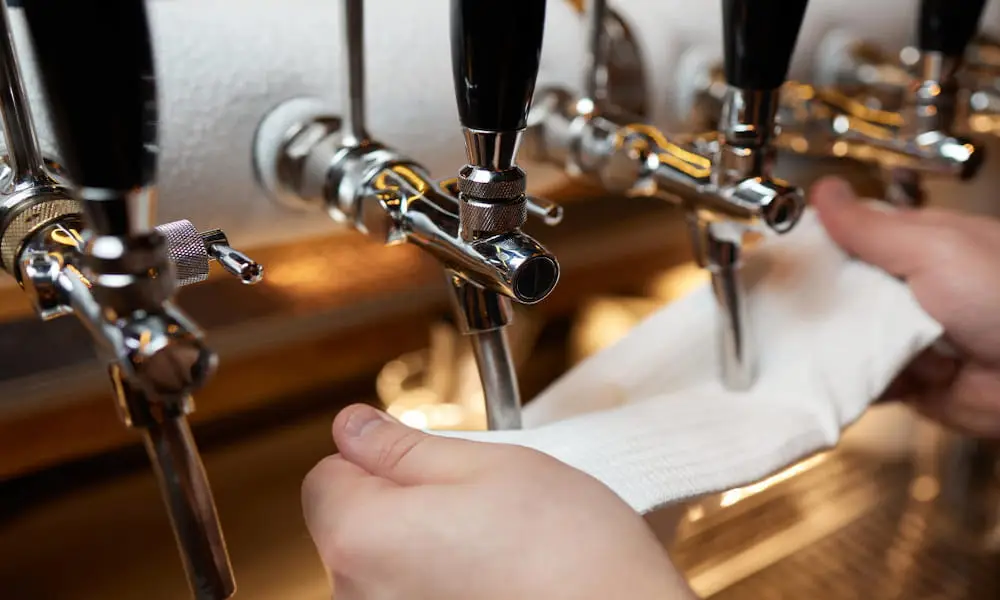
Draft system maintenance refers to the ongoing cleaning, inspection, adjustment, and repair of commercial beer dispensing equipment. A complete draft system includes much more than the visible tap handle.
It also involves beer lines, couplers, gas systems, glycol cooling systems, regulators, faucets, trunk lines, and refrigeration components.
Proper draft beer system maintenance helps bars and venues maintain:
- Consistent beer temperature
- Proper carbonation
- Cleaner pours
- Better flavor quality
- Lower product waste
- Reliable tap performance
Beer line maintenance is one part of the larger process. While line cleaning focuses on sanitation inside beer-contact surfaces, full draft system maintenance addresses operational performance across the entire dispensing setup.
Professional draft beer services often include:
- Beer line cleaning
- Faucet and coupler disassembly
- Glycol system inspections
- Pressure balancing
- Leak detection
- Temperature checks
- Jumper line replacements
- System calibrations
- Preventive repairs
- Staff training
Beer Line Cleaning USA provides these services for commercial establishments throughout the region, helping operators maintain system performance throughout seasonal operational changes.
Why Seasonal Planning Matters for Putnam County Venues
Putnam County venues often experience uneven demand throughout the year. A taproom may be packed during summer weekends. A banquet venue may rely on holiday events. A golf club may slow down in winter and reopen with heavy spring traffic.
Seasonal Traffic Changes System Demand
Draft systems behave differently depending on beer volume.
During Busy Seasons
High-volume service can expose small system issues, such as:
- Pressure imbalance
- Temperature swings
- Faucet buildup
- Slow cooling recovery
- Overworked glycol systems
During Slow Seasons
Low-volume periods create different risks, including:
- Beer sitting too long in the lines
- Flavor changes
- Stale product residue
- Dry or worn seals
- Forgotten service dates
Preventive Service Helps Avoid Emergency Repairs
Emergency repairs during service are stressful and costly. Preventive draft beer services allow operators to find issues before customers notice them.
A seasonal maintenance plan can help reduce:
- Foamy pours
- Product waste
- Customer complaints
- Slow bar service
- Last-minute repair calls
- Inconsistent beer quality
Clean Systems Support Better Beer Quality
A clean and properly maintained draft system helps preserve the flavor, carbonation, and consistency of every pour. Even high-quality beer can lose its intended taste when lines, faucets, or cooling systems are neglected.
Proper draft system maintenance helps reduce:
- Off-flavors and odors
- Excess foam
- Flat pours
- Product waste
- Slow service issues
- Contamination buildup inside lines
Seasonal Draft System Maintenance Calendar
A practical maintenance calendar helps bars and venues schedule service before problems appear.
Spring: Reopening and System Reset
Spring is an ideal time for full draft beer system maintenance, especially for venues that slowed down or closed during winter.
Before Reopening
Schedule service before the first major weekend, patio opening, tournament, or private event.
- Clean all active beer lines
- Inspect faucets and couplers
- Check gas pressure
- Test beer temperature at the tap
- Inspect glycol lines and power packs
- Replace worn washers, seals, and jumpers
- Test every faucet before service begins
- Confirm staff know basic keg-change procedures
Why Spring Service Matters
A system that sat idle may still pour beer, but that does not mean it is ready for service. Lines, faucets, and couplers need proper cleaning before fresh product goes on tap.
Summer: High-Volume Service Protection
Summer can be demanding for bars and venues. Patios, weddings, festivals, and weekend traffic increase pressure on the draft system.
Things to watch closely:
Temperature
Warm beer is one of the most common causes of foam. Check:
- Walk-in cooler temperature
- Beer temperature at the faucet
- Glycol system performance
- Trunk line cooling
Pressure
Incorrect pressure can cause beer to pour too fast, too slow, too foamy, or too flat.
Faucets and Couplers
High-volume service means more use, more contact, and more buildup. Faucets and couplers should be cleaned and inspected regularly.
Summer Maintenance Priorities
Maintain routine line cleaning
Watch for foam complaints
- Inspect high-use taps
- Keep spare washers and seals available
- Confirm glycol systems are cooling properly
- Track product waste by tap
Fall: Event and Sports-Season Readiness
Fall can bring football traffic, Oktoberfest events, weddings, fundraisers, and holiday bookings. This is the wrong time to discover that a tap is unbalanced or a glycol system is struggling.
Before Event Season
Plan draft beer services around the calendar, not around emergencies.
- Review cleaning logs
- Test all taps
- Calibrate gas pressure
- Inspect faucets and couplers
- Replace worn beer-contact parts
- Train new or seasonal staff
- Confirm backup parts are available
Staff Training Matters
Many draft issues start with simple handling mistakes.
Staff should know how to:
- Change kegs correctly
- Avoid forcing couplers
- Report foam or flavor issues early
- Keep faucet areas clean
- Log service concerns by tap
Winter: Slowdowns, Closures, and Winterization
Winter creates special maintenance needs for seasonal venues and lower-volume locations.
If the Venue Stays Open
Focus on consistency. Slower volume can mean beer sits longer in lines, especially on less popular taps.
- Monitor slow-moving products
- Keep cleaning schedules consistent
- Check faucet sanitation
- Inspect cooler performance
- Avoid leaving low-volume taps ignored
If the Venue Closes Temporarily
Lines should not be left with beer residue during downtime.
- Clean lines before shutdown
- Flush inactive lines properly
- Inspect couplers and faucets
- Winterize equipment when needed
- Repair known issues during downtime
- Schedule reopening service in advance
How Often Should Beer Lines Be Cleaned?
Routine beer line maintenance is one of the most important parts of draft quality control.
Standard Cleaning Frequency
Commercial beer lines should be cleaned at least every two weeks. For most bars, restaurants, and venues, this two-week schedule provides a practical baseline. It helps remove yeast, bacteria, proteins, and residue before they have more time to affect beer quality.
A strong cleaning schedule should include:
- The date of each cleaning
- The taps or lines cleaned
- Any problem taps noticed
- Parts replaced or repaired
- Notes about foam, taste, or flow issues
When More Frequent Service May Be Needed
Some systems may need added attention because of:
- High tap volume
- Long-draw systems
- Specialty beers
- Seasonal closures
- Slow-moving taps
- Older equipment
- Recurring foam complaints
Acid Cleaning and Beer Stone
Standard line cleaning helps remove organic buildup, but mineral deposits and beer stone may require periodic acid cleaning. Beer stone is a stubborn buildup that can form inside beer-contact surfaces over time. Once it develops, it can trap bacteria, affect flavor, and make routine cleaning less effective.
Acid cleaning may be especially important for systems with:
- Hard water exposure
- Older beer lines
- High-volume tap use
- Long gaps between service
- Persistent off-flavors
- Visible buildup or cloudy flow
4 Major Signs Your Draft System Needs Service Before Peak Season
Many operational problems begin with subtle warning signs. Identifying those issues early can help venues avoid larger service interruptions later.
Excess Foam
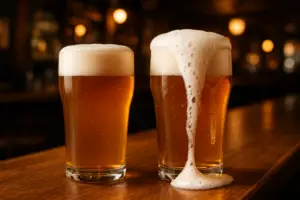
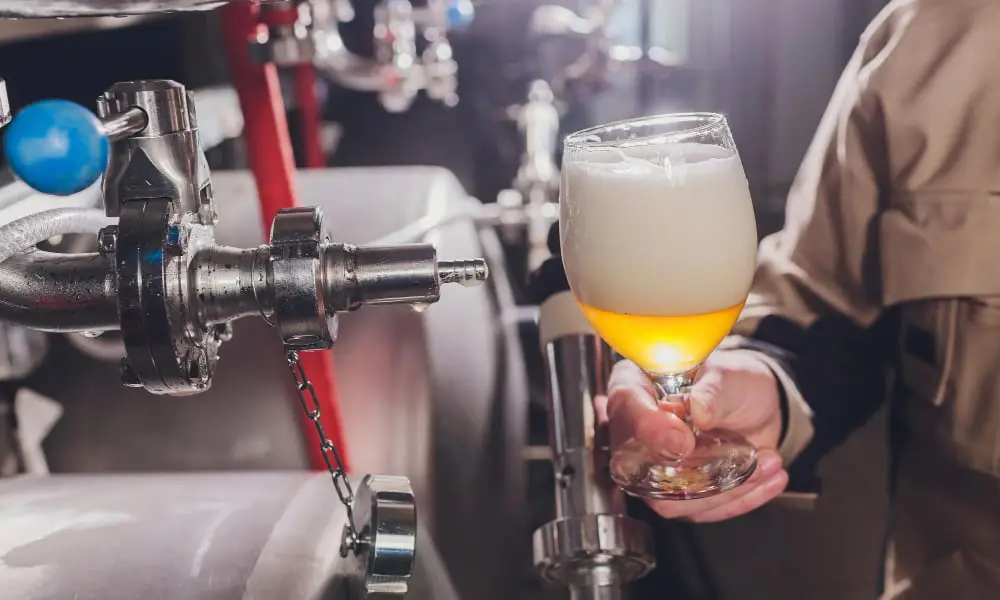
Excess foam is one of the most common signs that a draft system needs immediate attention before peak service periods begin. It can lead to inconsistent pours, slower service, frustrated customers, and unnecessary product loss during busy operating hours.
Off-Flavors or Odors
Sour, stale, buttery, or metallic flavors may indicate dirty lines or contamination inside the system. Dirty faucets and neglected components can also introduce unpleasant odors.
Slow Pours
Slow dispensing often points to pressure problems, line restrictions, or cooling issues. These problems usually worsen during busy shifts.
Visible Residue
Residue around faucets, couplers, or drip trays is often a late-stage warning sign. Visible buildup usually indicates overdue cleaning or maintenance.
How to Prepare Your Draft System Before Reopening or Peak Season
A simple step-by-step process can help managers plan before problems reach the bar.
Step 1: Review the Tap List
Look at each tap and decide whether it will be active, inactive, seasonal, or rotated.
- Ask These Questions
- Which beers sell fastest?
- Which taps move slowly?
- Which products are seasonal?
- Which lines sat inactive?
- Which taps had issues last season?
Step 2: Check Cleaning and Service Records
Review the last dates for:
- Beer line cleaning
- Acid cleaning
- Faucet cleaning
- Coupler cleaning
- Glycol service
- Pressure calibration
- Repairs
Step 3: Inspect Visible Components
Managers should look for obvious signs before calling in service.
- Inspect
- Faucets
- Couplers
- Beer lines
- Regulators
- Gas cylinders
- Drip trays
- Walk-in cooler areas
- Trunk line access points
Look For:
- Leaks
- Cracks
- Residue
- Loose fittings
- Corrosion
- Warm spots
- Damaged seals
Step 4: Test Temperature and Pressure
Temperature and pressure must work together. A clean line can still pour poorly if the system is not balanced.
- Check
- Cooler temperature
- Beer temperature at the faucet
- Gas pressure
- Pour speed
- Foam level
- Carbonation consistency
Step 5: Schedule Professional Draft Beer Services
Professional draft beer services help confirm whether the system is clean, balanced, and ready for service.
A technician may identify:
- Failing components
- Improper pressure
- Dirty hidden parts
- Glycol problems
- Leaks
- Worn seals
- System imbalance
Frequently Asked Questions (FAQs)
How do seasonal closures affect draft beer systems?
Seasonal closures can leave beer residue sitting in lines, faucets, and couplers. Systems should be cleaned before shutdown and inspected before reopening.
What should bars check before a large event?
Bars should check beer temperature, gas pressure, faucet cleanliness, keg inventory, glycol performance, and recent cleaning records before major events.
Why does draft beer taste stale after slow periods?
Beer can taste stale when it sits too long in lines or when components are not cleaned before service resumes.
Can draft system maintenance reduce beer waste?
Yes. Proper maintenance can help reduce foam, leaks, slow pours, and product loss caused by temperature or pressure problems.
When should a venue schedule seasonal draft service?
Schedule service before peak weekends, reopenings, holiday events, outdoor season, or any extended closure.
Schedule Draft System Maintenance Before Your Next Busy Season
Seasonal draft system maintenance helps Putnam County bars prevent foam, off-flavors, waste, and service delays before peak traffic and reopenings.
For commercial operators planning around reopenings, closures, events, or peak traffic, Beer Line Cleaning USA provides professional cleaning, repairs, winterization, and draft beer services designed for real bar and venue conditions.
Protect your taps before small issues turn into service delays.