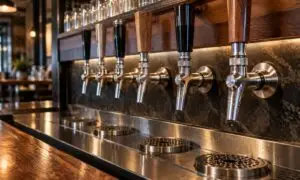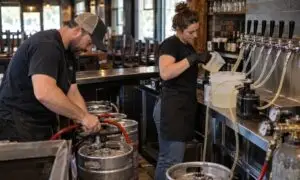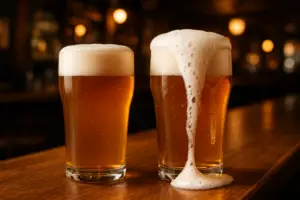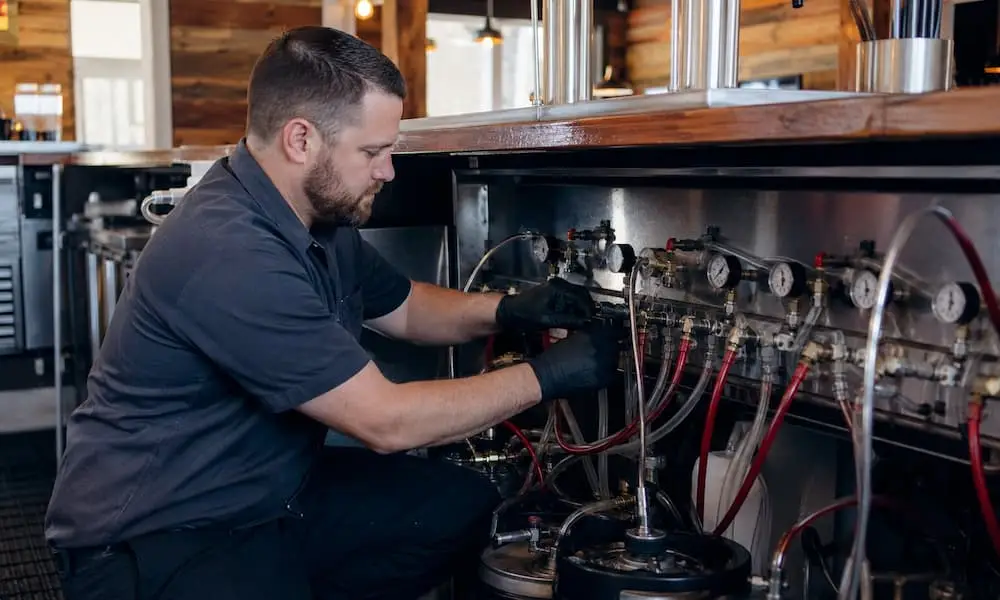
A draft system problem can cut into sales before staff has time to diagnose it. One foamy tap during dinner service, a no-pour line before a weekend rush, or a leak in the keg room can quickly turn into wasted product, slower service, and frustrated customers.
For Putnam County bars, restaurants, breweries, catering halls, and event venues, draft issues need fast attention because they affect the quality of every pour. Some problems are easy to check in-house. Others point to pressure, cooling, gas, faucet, regulator, or glycol system failures that need professional repair.
Businesses searching for draft beer system repair near me are usually dealing with urgent operational issues that affect service quality in real time. Knowing the warning signs early can help prevent bigger disruptions behind the bar.
What's In This Guide
Quick Facts 🍺✔ Call for repair for no-pour taps, warm beer, leaks, or sudden foam. ✔ Recurring foam often points to temperature, pressure, gas, or glycol issues. ✔ Cleaning cannot fix broken regulators, faucets, lines, or pumps. ✔ Multi-tap failures usually need fast professional diagnosis. ✔ Preventive maintenance helps reduce downtime, waste, and disruptions. |
What Counts as a Draft Beer System Repair?
Draft beer systems rely on several connected components working together correctly. Beer lines, regulators, faucets, couplers, glycol systems, coolers, gas blends, and pressure settings all affect pour quality.
Draft beer repair focuses on active system problems that interrupt flow, temperature, pressure, or product quality. It is different from routine cleaning, although both are important.
| Service Type | Purpose |
|---|---|
| Beer Line Cleaning | Removes yeast, bacteria, biofilm, and beer stone buildup |
| Draft System Maintenance | Prevents future issues through inspections, calibration, and component checks |
| Draft Beer Repair | Fixes active system failures, leaks, pressure problems, or no-pour issues |
Call for Repair When Beer Suddenly Won’t Pour
A no-pour tap is one of the clearest signs that a draft system needs attention.
Some causes are simple. Others point to larger system problems.
Common Causes of a No-Pour Tap
- Empty keg
- Improperly attached coupler
- Closed gas valve
- Frozen beer line
- Kinked tubing
- Clogged faucet
- Faulty regulator
- Glycol system issue
- Pressure imbalance
If staff members have already checked the keg connection and gas supply but the tap still will not pour, the issue likely requires professional diagnosis.
A single no-pour tap may point to one line or faucet. Several no-pour taps at once usually signal a larger system issue involving shared gas, cooling, pressure, or trunk line components.
Signs the Problem Needs Professional Repair
- Several taps stop pouring together
- Beer flow cuts in and out repeatedly
- Pressure readings fluctuate unexpectedly
- Foam appears immediately after restoring flow
- Staff cannot identify the source of the issue
Businesses searching for beer tap repair near me are often dealing with recurring problems that basic troubleshooting cannot solve.
Call for Repair When Foam Appears Suddenly or Keeps Returning
Foam problems waste beer, slow service, and create frustration behind the bar. Even experienced bartenders struggle to pour correctly when the system itself is unstable.
Common Causes of Excessive Foam
- Beer temperature too warm
- Incorrect gas pressure
- Dirty beer lines
- Worn faucet seals
- Improper gas blend
- Glycol cooling issues
- Long-draw system imbalance
- Damaged couplers or regulators
A short foam issue after a keg change may not require repair. Foam that continues through service, returns after cleaning, or affects more than one tap should be inspected.
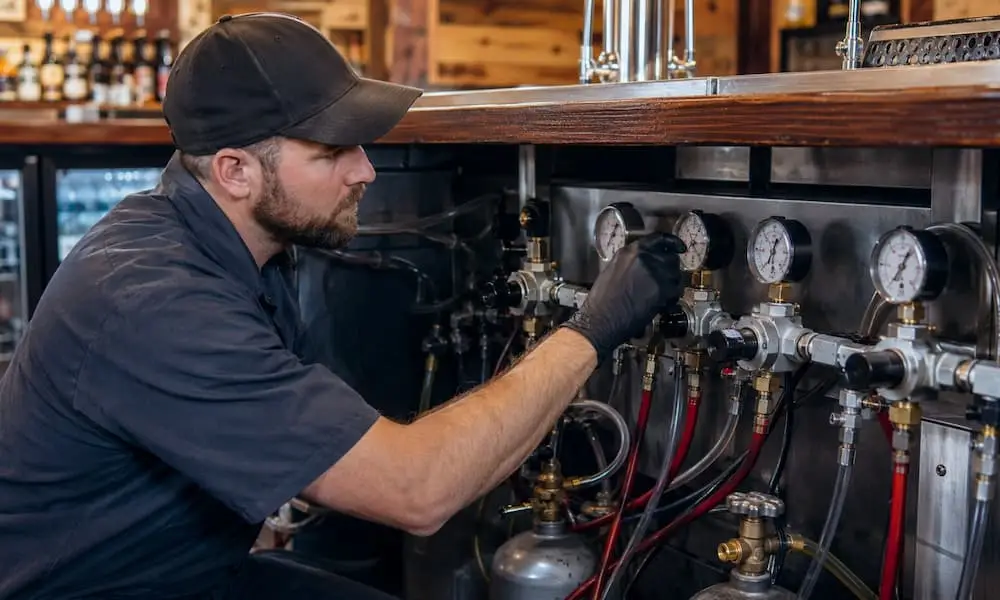
Call for Repair When Gas Pressure Becomes Unstable
Gas pressure directly affects carbonation, foam levels, and beer flow.
If pressure becomes unstable, bartenders often notice pouring problems before managers realize the root cause is gas-related.
Common Symptoms of Pressure Problems
Beer pours too fast
- Beer pours too slowly
- Flat-tasting beer
- Excessive foam
- Inconsistent carbonation
- Sudden pressure drops
- Regulator gauges fluctuating
Pressure settings should match the beer style, line length, elevation, and system design. Incorrect pressure settings can create problems across every tap connected to the system.
Professional draft beer services can include pressure balancing and calibration to restore consistent pours.
Call for Repair When Beer Is Pouring Warm
Temperature changes affect carbonation and foam immediately. Even slight increases in beer temperature can create unstable pours and inconsistent taste profiles.
Potential Causes of Warm Beer
- Glycol system malfunction
- Cooler temperature issue
- Failed circulation pump
- Damaged insulation
- Thermostat problem
- Improper keg storage
- Long-draw cooling failure
Long-draw systems in larger restaurants and venues are especially vulnerable to cooling-related problems because beer travels farther before reaching the faucet.
Call for Repair When Only One Tap Has Problems
Not every draft issue affects the entire system.
Sometimes a single tap develops problems while the rest of the system continues operating normally.
Single-Tap Problems May Include
- Clogged faucet
- Damaged coupler
- Dirty line
- Faulty gasket
- Worn washer
- Product-specific pressure issue
- Restricted beer flow
A single failing line still deserves attention. If contamination, component wear, or pressure imbalance is involved, the issue can continue returning or affect nearby parts of the system.
Call for Repair When Multiple Taps Fail at Once
When several taps develop issues simultaneously, businesses should act quickly.
Multi-line failures usually indicate a larger system malfunction affecting shared components.
Common Causes of Multi-Tap Failures
- Primary regulator failure
- CO₂ supply problem
- Glycol chiller malfunction
- Cooler temperature failure
- Power disruption
- Shared trunk line issue
- Gas blend imbalance
Restaurants, bars, breweries, and event venues cannot afford widespread draft downtime during peak service. A full-system diagnosis helps identify the source before more product is wasted.
Call for Repair When Cleaning Alone Does Not Solve the Issue
Routine cleaning is essential for beer quality, but cleaning does not repair mechanical failures.
Some businesses continue scheduling cleanings while overlooking equipment problems that keep returning.
Problems Cleaning Will Not Fix
- Faulty regulators
- Broken faucets
- Cracked lines
- Failing glycol pumps
- Improper pressure balance
- Damaged seals
- Incorrect gas mixtures
Draft quality depends on proper maintenance of the entire system, not only clean lines.
Reliable draft beer services should address both sanitation and mechanical performance.
Businesses looking for draft beer system repair near me are often already dealing with recurring issues that cleaning alone cannot resolve.
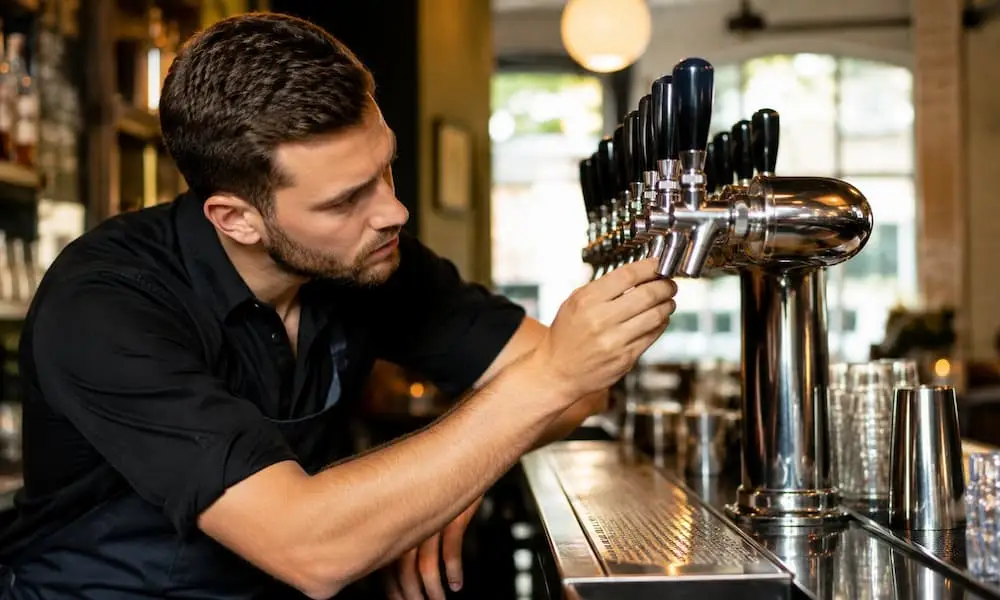
How to Troubleshoot Before Calling a Draft Beer Repair Technician
Some draft issues can be identified quickly before placing a service call.
A few basic checks may help narrow down the source of the problem.
Step 1: Check the Keg
- Confirm the keg is not empty
- Verify the coupler is attached correctly
- Make sure the keg has been chilled properly
Step 2: Check the Gas Supply
- Confirm the gas tank valve is open
- Check whether the CO₂ tank is empty
- Listen for unusual hissing sounds
- Review pressure gauge readings
Step 3: Check Temperature
- Inspect cooler temperature
- Check if beer feels warm at the faucet
- Look for glycol system alerts
Step 4: Inspect the Faucet and Coupler
- Check for visible leaks
- Look for sticking handles
- Identify visible buildup or damage
Step 5: Track the Symptoms
Documenting the issue helps technicians diagnose problems faster.
Record:
- Which tap is affected
- What beer is involved
- When the issue started
- Whether the issue is foam, no-pour, leak, or temperature-related
Why Putnam County Businesses Should Not Ignore Small Draft Problems
Small draft issues can become expensive quickly.
Foam increases beer waste. Leaks can damage equipment and create messy work areas. Warm pours hurt product quality. Pressure imbalances can create inconsistent pours across multiple taps.
Ignoring these issues often leads to:
- Increased beer waste
- Slower service
- Customer complaints
- Equipment strain
- More expensive repairs later
Routine draft system maintenance helps businesses identify these problems before they escalate into full operational downtime.
Repair vs. Maintenance: Knowing What Your System Needs
Understanding the difference between repair and maintenance helps businesses respond appropriately.
Signs You Likely Need Repair
- Beer will not pour
- Foam appears suddenly
- Gas pressure fluctuates
- Beer pours warm
- Multiple taps fail together
- Active leaks are present
Signs You Likely Need Maintenance
- Inconsistent pours
- Dirty lines
- Minor calibration issues
- Worn jumpers or seals
- Inconsistent pouring procedures
- Preventive inspections overdue
Signs Your System May Need Optimization
- Excessive beer waste
- Ongoing pressure adjustments
- Poor keg room organization
- System expansion issues
- Recurring operational inefficiencies
Professional draft system maintenance can help improve long-term system reliability while reducing future service interruptions.
What to Look for in a Draft Beer Repair Company
Choose a provider with commercial draft system experience, not just basic tap familiarity.
Bars, breweries, and restaurants should look for technicians experienced with:
- Long-draw systems
- Glycol cooling systems
- Gas blending
- Pressure balancing
- Beer line sanitation
- Keg room organization
- Faucet and regulator repair
- Multi-tap troubleshooting
Fast response time also matters when a broken draft system interrupts daily operations.
Businesses searching for draft beer system repair near me should prioritize companies familiar with high-volume commercial environments.
Frequently Asked Questions (FAQs)
How do I know if my draft beer regulator is bad?
A bad regulator may cause pressure swings, flat beer, fast pours, slow pours, or sudden foam. If gauge readings keep changing or the staff constantly adjusts pressure, the regulator may be failing or incorrectly calibrated.
Can a glycol system cause foamy beer?
Yes. If the glycol system is not keeping beer lines cold, beer can warm inside the trunk line before reaching the faucet. Warm beer releases carbonation faster, which often causes foam and wasted product.
Why does one beer tap pour slower than the others?
A slow tap may have a blocked line, dirty faucet, bad coupler, worn seal, pressure issue, or restriction in that specific beer line. If the other taps pour normally, the problem is likely isolated to that tap or line.
Is a leaking beer tap an emergency?
It can be, especially during service. Even a small leak can waste beer, affect pressure, create sticky work areas, and point to worn seals, loose fittings, or damaged components. If the leak continues after basic checks, call for repair.
How often should a draft system be inspected?
Commercial draft systems should be inspected regularly during cleaning or maintenance visits. High-volume bars, restaurants, breweries, and venues may need more frequent checks because heavy use can wear down faucets, couplers, seals, regulators, and lines faster.
Schedule Your Draft System Repair Now
For Putnam County bars, restaurants, breweries, and event venues, draft system problems should be handled before they disrupt a full shift.
Beer Line Cleaning USA provides cleaning, repair, maintenance, calibration, troubleshooting, glycol service, and draft system support for businesses that rely on consistent pours.
If your taps are foaming, leaking, pouring warm, losing pressure, or not pouring at all, schedule service before one problem affects the whole bar.