What You Need to Know
- Dirty beer lines often show subtle signs before major problems appear.
- Persistent foam and off-flavors are commonly caused by internal buildup, not faulty kegs.
- Biweekly cleaning is essential to maintain draft quality and system performance.
- Overlooking small draft inconsistencies can lead to wasted product and lost revenue.
- Professional maintenance protects flavor, equipment lifespan, and customer satisfaction.
What’s Covered
Draft beer quality depends on more than fresh kegs and proper storage. Over time, residue, yeast, and bacteria build up inside beer lines, affecting taste, foam, and overall performance. Many of the warning signs are subtle and easy to overlook during daily operations.
Here are seven signs bar owners miss when draft beer lines are dirty.
7 Warning Signs of Dirty Draft Beer Lines
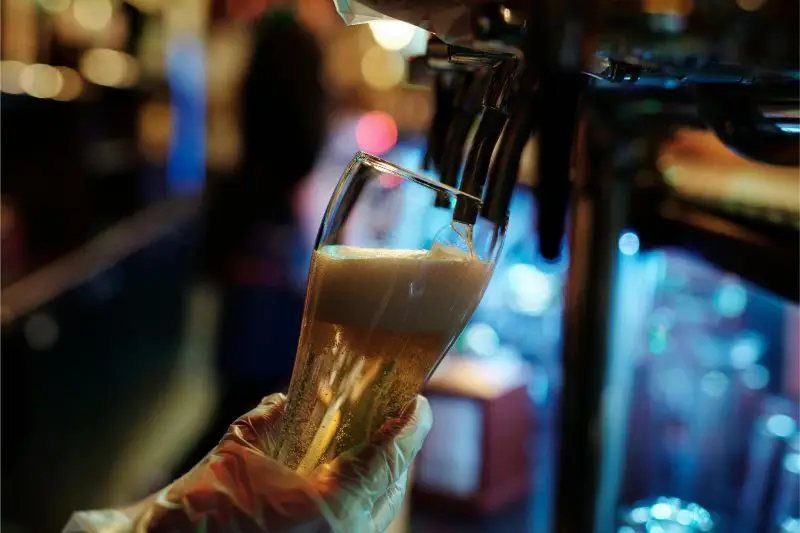
1. The Beer Tastes “Off” but Not Obviously Bad
Dirty draft lines rarely make beer immediately undrinkable. Instead, they cause subtle flavor shifts that repeat across pours and often across multiple taps. Owners may blame the keg, distributor, or storage conditions, but when the same flavor complaints surface repeatedly, the issue is often inside the system.
- Slight Sourness in Clean Styles: A sharp, tangy note in lagers or light beers that should taste crisp and neutral, often mistaken for a “different batch” rather than contamination.
- Buttery or Slick Finish: An oily mouthfeel or artificial butter flavor that lingers on the palate, signaling bacterial activity within the line.
- Muted Hop Character: IPAs and pale ales tasting flat or dull, with reduced aroma and bitterness because residue interferes with flavor clarity.
- Metallic Aftertaste: A faint coin-like finish, especially noticeable in lighter beers, caused by interaction with buildup inside the tubing.
- Stale Cardboard Notes: A papery, oxidized taste that appears inconsistently and is often blamed on the brewery when the line is the real source.
2. Foam Persists Even After Adjusting CO2
Excess foam is expensive. While temperature and pressure play a role, dirty lines create turbulence that knocks CO2 out of solution too early. If foam issues return quickly after regulator adjustments, contamination is likely contributing to the instability.
- Foam Across Multiple Taps: Several lines produce excessive head at the same time, even though kegs and settings differ.
- Large, Unstable Bubbles: Foam appears loose and frothy instead of tight and creamy, indicating disruption inside the line.
- First Half of the Keg Wasted: Early pours from a new keg produce more foam than expected, increasing product loss.
- Frequent Pressure Tweaks: Staff regularly adjust regulators to compensate, but the improvement is temporary.
3. The First Pour Is Consistently Worse
If the first pour of the day or the first pour after a short break is noticeably worse, buildup near the faucet or tower is often involved. Warm areas and exposed metal parts collect residue quickly and impact the initial flow.
- Heavy Foam on First Pull: The initial pour overflows with foam, while the second pour stabilizes.
- Stronger Off Odor at First Open: A faint sour or musty smell is most noticeable when the faucet is first opened.
- Brief Cloudiness in Clear Beer: The first seconds of the pour appear hazy before clearing up.
- Stale Taste That Fades: The first glass tastes dull or slightly sour, then improves once the tap has been running.
4. There Is a Sour or Musty Smell at the Faucet
A properly maintained draft system should not produce noticeable odors. Smell is often one of the clearest early indicators of bacterial growth or residue buildup in faucets and couplers.
- Vinegar-Like Sharpness: A strong acidic scent that suggests bacterial contamination inside the faucet assembly.
- Mildew or Damp Odor: A musty smell near the tap that indicates microbial growth in warm components.
- Fermented Fruit Aroma: A sweet, overripe smell that does not match the beer style being served.
- Persistent Smell After Wiping: Odor remains even after exterior surfaces are cleaned, pointing to internal contamination.
5. Visible Particles or Unexpected Haze Appear
Seeing debris in a finished pour is a late warning sign. By the time flakes or specks are visible, buildup inside the line has likely advanced beyond minor residue.
- White Flakes in the Glass: Small floating particles that resemble shavings, often caused by beer stone breaking loose.
- Dark Specks in Light Beer: Irregular flecks that appear intermittently and settle slowly.
- Unexplained Cloudiness: A normally clear beer pours hazy without any change in brand or batch.
- Sediment in Early Pour: Debris appears mostly at the start of the pour, suggesting buildup near the faucet.
6. Pour Speed Slows or Becomes Uneven
Dirty lines can restrict flow. Mineral deposits and biofilm narrow the internal diameter of tubing, which affects how quickly and evenly beer travels to the tap.
- Thin, Weak Stream: Beer pours in a narrow flow instead of a steady, full stream.
- Inconsistent Flow Rate: The pour starts strong and then slows unexpectedly.
- One Tap Slower Than Others: A single line performs noticeably worse than neighboring taps with similar settings.
- Sputtering at Open: The faucet produces an uneven stream, indicating internal restriction.
7. Cleaning Is Inconsistent or Undocumented
The simplest indicator of dirty lines is an inconsistent cleaning schedule. Industry best practice calls for cleaning every 14 days. Without documentation, it is easy for cleanings to be skipped during busy periods.
- No Written Cleaning Log: There is no record of when each line was last serviced.
- Cleaning Based on Memory: Staff rely on recollection instead of a set recurring schedule.
- Faucets Not Disassembled: Lines may be flushed, but faucets and couplers are not routinely broken down and cleaned.
- Delayed Service During Peak Season: Cleaning gets postponed during busy months, allowing buildup to accumulate quickly.
Financial Cost of Dirty Beer Lines
Dirty lines are not just a quality issue; they’re a revenue problem.
1. Wasted Beer
Foam and off-flavor waste increase keg loss. Even losing 10% per keg adds up significantly over a year.
2. Lost Repeat Customers
Draft beer quality is a primary driver of repeat business. With 82% of companies agreeing that customer retention is more cost-effective than acquisition, providing a perfect pour is a financial necessity. A single “off” pint can drive a guest to a competitor permanently, forcing the business to spend significantly more to recruit a new customer to take their place.
3. Equipment Damage
Beer stone hardens over time. If neglected, it can require line replacement instead of simple cleaning.
4. Health Code Risk
Local health departments in Putnam County and across New York can issue violations for unsanitary beverage systems.
5. Brand Reputation Damage
Consistency is key to consumer trust. When online reviews highlight “flat,” “warm,” or “off-flavor” beer, it does more than hurt your image; it creates a shift in public perception that directly reduces market share and consumer preference. Ultimately, this loss of brand equity translates into a measurable decline in revenue.
Why Many Owners Miss These Signs
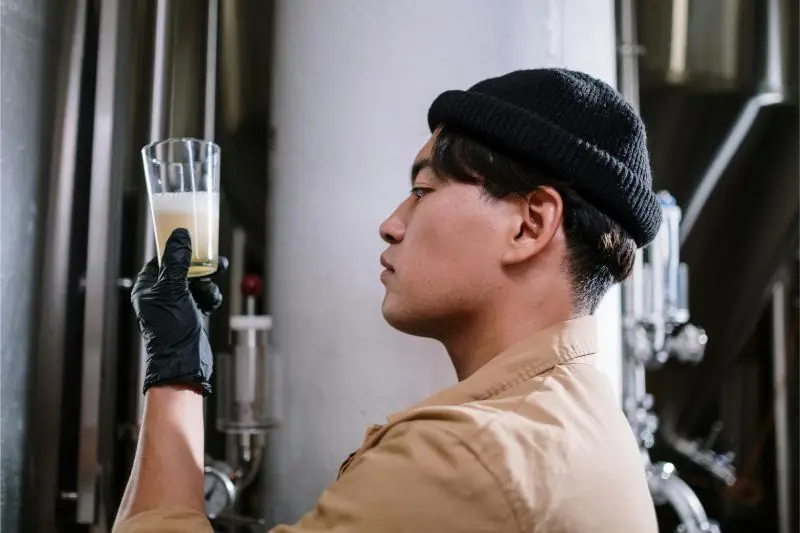
Draft issues often start small, so they get dismissed as normal variation. When a bar is busy, owners and managers focus on service speed and customer flow, not subtle changes in foam, taste, or pour rate. The problem is that draft systems do not “self-correct,” and small hygiene gaps compound quickly.
Here are the most common reasons these signs get overlooked.
Assuming Distributors Handle Everything
Some owners assume the distributor or brewery is responsible for draft quality beyond the keg. In reality, once the keg is connected, the condition of your lines, faucets, and couplers determines what the guest tastes. If the beer is great at one account and off at another, the difference is usually the draft system, not the supplier.
Delegating Cleaning Without Verification
Line cleaning is often assigned to staff without a clear checklist, training, or accountability. If no one verifies what was cleaned, how it was cleaned, and when it was last done, critical steps get skipped. Over time, the system becomes “kind of maintained,” which is where recurring foam and flavor issues begin.
Believing “It Tastes Fine to Me”
Owners and long-time staff can become desensitized to a gradual quality decline. If beer has been slightly off for weeks, it starts to feel normal, especially when there is no direct complaint. Guests notice sooner than you think, but many will simply stop ordering draft instead of saying something.
Focusing Only on Visible Cleanliness
A spotless bar top and shiny tap handles do not mean the inside of the system is clean. Most contamination is internal, where residue and biofilm form in places you cannot see during daily wipe-downs.
Skipping Scheduled Cleanings During Busy Seasons
When weekends are packed or staffing is tight, scheduled cleanings are easy to postpone. Every missed cycle gives the buildup more time to harden and microbes more time to spread. The result is a system that becomes harder to restore and more likely to produce inconsistent pours.
What Proper Cleaning Actually Involves

Proper cleaning is more than running water through the lines. It targets every component beer touches, especially areas where residue and biofilm accumulate quickly, to protect flavor, flow, and sanitation.
Faucet Deep Cleaning
Faucets are exposed to air and warmth, so buildup forms rapidly. Proper cleaning requires full disassembly, internal scrubbing, sanitizing, and correct reassembly.
Coupler Detail
Couplers trap beer in tight chambers and seals. Detailed service includes disassembly, cleaning, sanitizing, and gasket inspection before reconnecting.
High-Pressure Line Flushing
A professional cleaning solution is circulated through each line at the proper strength and contact time to remove residue and biofilm, followed by a complete rinse.
FOB Disassembly and Deep Clean
FOB devices collect internal residue over time. Proper service includes full disassembly, cleaning, sanitizing, and reassembly to manufacturer standards.
Faucet Brush Sanitizing
Specialized brushes clean tight interior spaces where buildup sticks. Brushes must be sanitized between lines to prevent cross-contamination.
FOB Drain Line Cleaning
Drain lines can hold stagnant beer and sugar residue. Cleaning them reduces odor, pest attraction, and sanitation risks.
Frequently Asked Questions
How often should draft beer lines be cleaned?
Draft beer lines are generally cleaned on a biweekly schedule to maintain quality and sanitation standards. High-volume accounts or systems serving specialty beers may require more frequent service.
What happens if you do not clean beer lines?
Neglected lines can develop buildup that affects taste, aroma, and pour performance. Over time, contamination may lead to increased foam, off-flavors, and potential health concerns. Equipment components can also wear out faster when residue is allowed to accumulate.
What temperature ruins beer?
Beer quality begins to decline when it is stored or served outside of recommended cold ranges. Excessive heat accelerates flavor breakdown and can cause flat or stale characteristics. Large temperature swings are especially harmful to consistency.
How much does it cost to get beer lines cleaned?
Pricing varies depending on the number of lines, system length, and service scope. Costs are typically structured per line or per visit. Larger or more complex systems may require additional labor and time.
How long should it take to clean beer lines?
The time required depends on the number of taps and the level of service performed. A standard visit may take under an hour for smaller systems, while larger setups require more time.
Protect Draft Quality With Professional Beer Line Cleaning In Putnam County
Consistent draft performance requires structured maintenance, not occasional flushing. Beer Line Cleaning USA provides detailed beer line cleaning services throughout Putnam County to help bars and restaurants maintain flavor integrity, reduce waste, and protect equipment.
From faucet disassembly to high-pressure line flushing, every component is serviced to support reliable pours and sanitary operation. Establishments across Putnam County trust Beer Line Cleaning USA for dependable scheduling and thorough system care in Putnam County.
Schedule professional beer line cleaning in Putnam County today.