Key Takeaways
|
 A keg’s lifespan depends on the beer type, storage, and tapping method.
Knowing how long a keg lasts is one of the most common questions for anyone who enjoys draft beer at home or manages a bar. The answer depends on how the keg is tapped, the type of beer inside, and how it’s stored. If you’ve ever wondered how long does beer last in a keg, you’re not alone—especially since storage and system setup can make a big difference in freshness.
Temperature, pressure, and cleanliness all play a major role in keeping beer fresh and flavorful.
With the U.S. beer keg market expected to grow rapidly due to new product innovations and increasing demand across the hospitality industry, proper keg care has never been more important. A well-maintained keg can last for weeks or even months, while one handled incorrectly might go flat overnight.
Here are the key details that explain how long a keg lasts and what affects its freshness.
How Long Does a Keg Last?
So, how long do kegs last before the beer starts to lose its quality? That depends on the type of beer and the method used to pour it. In general, kegs can last anywhere from a single night to a few months, depending on the setup. Understanding how long a keg lasts once tapped also depends on how it’s stored and the system used to dispense it.
Pasteurized Beer
Pasteurized beer goes through a heating process that extends its shelf life. When stored and served through a CO₂ system—like a kegerator or professional draft setup—it can stay fresh for 90 to 120 days. Beers like Budweiser, Heineken, and Corona are typically pasteurized, which makes them ideal for long-term storage.
For those wondering how long beer lasts in a keg, pasteurized options tend to hold their freshness longer because of this treatment. Because the CO₂ system prevents oxygen from entering, carbonation and flavor stay consistent for several months.
Non-Pasteurized Beer
Craft breweries often produce non-pasteurized beer, meaning it hasn’t gone through the heat process. These beers are fresher but more delicate. When stored and dispensed using a CO₂ system, non-pasteurized beer usually lasts 45 to 60 days.
How Long Does a Keg Last Once Tapped?
A key question for any beer enthusiast is: how long do kegs last once tapped? The answer depends entirely on the tapping method.
- CO₂ System (Kegerator or Draft Setup): With CO₂ maintaining pressure and keeping oxygen out, a tapped keg of pasteurized beer can last up to four months, while non-pasteurized beer stays good for about two months.
- Party Pump (Air-Powered): This method is great for short events but not for long storage. Once oxygen enters the keg, the beer oxidizes quickly, causing it to go flat or stale within 8–12 hours.
So, when asking how long do kegs last in general, the setup makes all the difference.
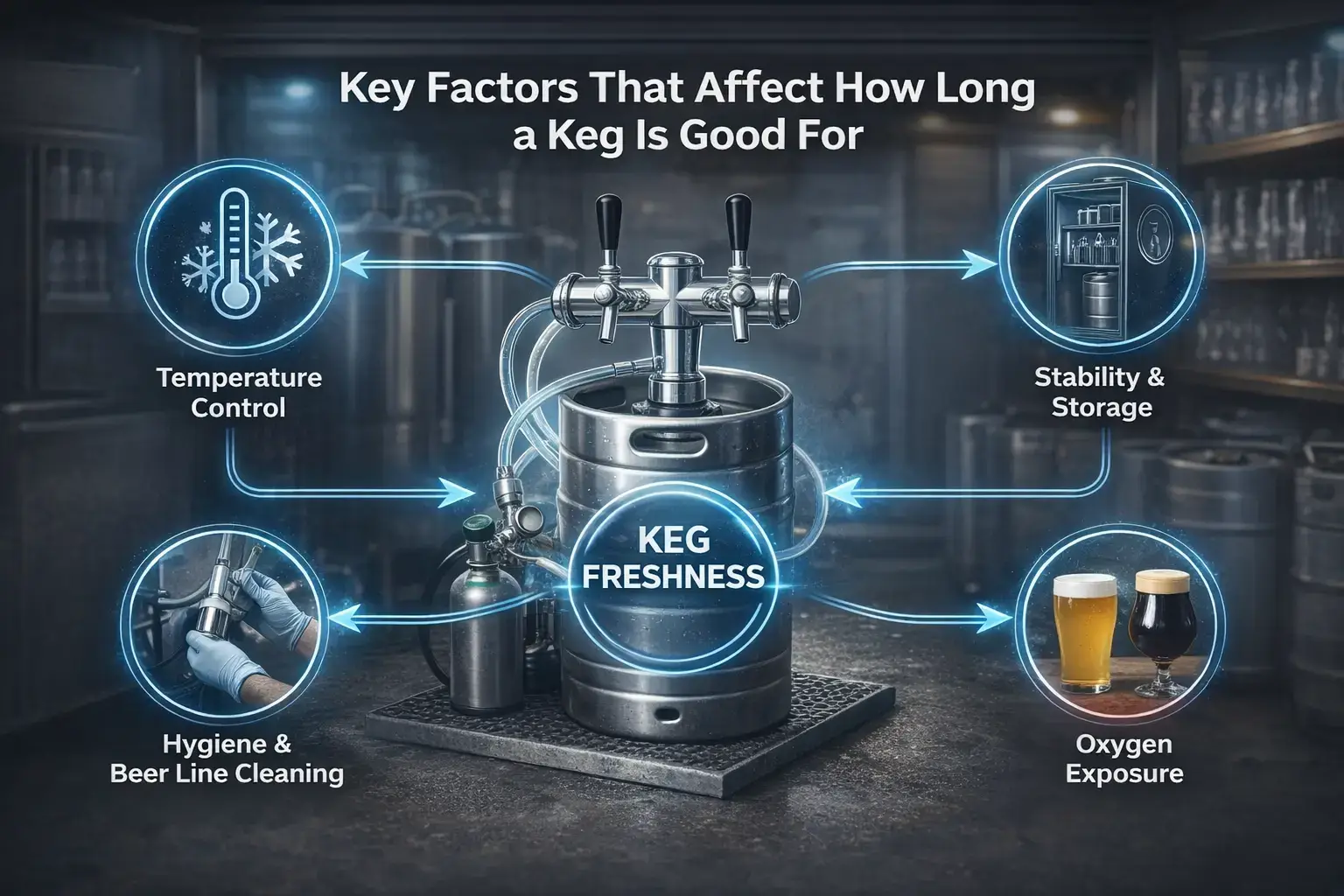
Key Factors That Affect How Long Is a Keg Good For
Several factors determine how long is a keg good for and how good the beer tastes over time.
Temperature Control
Consistent temperature makes all the difference. The best range is around 38°F (3°C). Too warm, and the beer foams excessively and spoils faster. Too cold, and it loses carbonation and taste.
Stability and Storage
Kegs should always be stored upright and handled gently to keep the beer in top condition. When wondering how long is a keg good for, stability plays a big role. Excessive movement can mix up sediments, create foamy pours, and shorten the beer’s freshness.
Hygiene and Beer Line Cleaning
Cleanliness plays a major role in keeping beer tasting fresh. Regular commercial beer line cleaning is crucial for anyone using a draft system. Over time, residue and yeast can build up inside the lines, contaminating the beer and shortening its life.
Oxygen Exposure
Oxygen is the enemy of beer freshness. CO₂ systems prevent it from entering, which is why they’re preferred for long-term storage. Party pumps, which use air, allow oxygen in and cause rapid oxidation, making the beer taste flat within hours.
Beer Style
Different styles of beer age differently. Hoppy beers like IPAs lose their bright aroma quickly, while darker beers like stouts or porters often maintain quality for longer periods. When considering how long beer lasts in a keg, the style makes a noticeable difference. Lighter, aromatic beers fade faster, while heavier ones stay rich longer.
How to Tell If a Keg Is Going Bad
Beer doesn’t spoil overnight, but signs of staleness become noticeable if a keg sits too long or isn’t stored correctly. Understanding how long beer lasts in a keg helps identify when freshness starts to fade and when it’s time to replace or clean the system.
Taste
If the beer tastes flat, sour, or has a musty aftertaste, it’s likely past its prime.
Aroma
A strange or vinegar-like smell signals oxidation or bacterial contamination.
Appearance
If the beer looks cloudy or shows unusual sediment, it might be time to clean the system or replace the keg.
How Can a Keg Stay Fresh for a Longer Time?
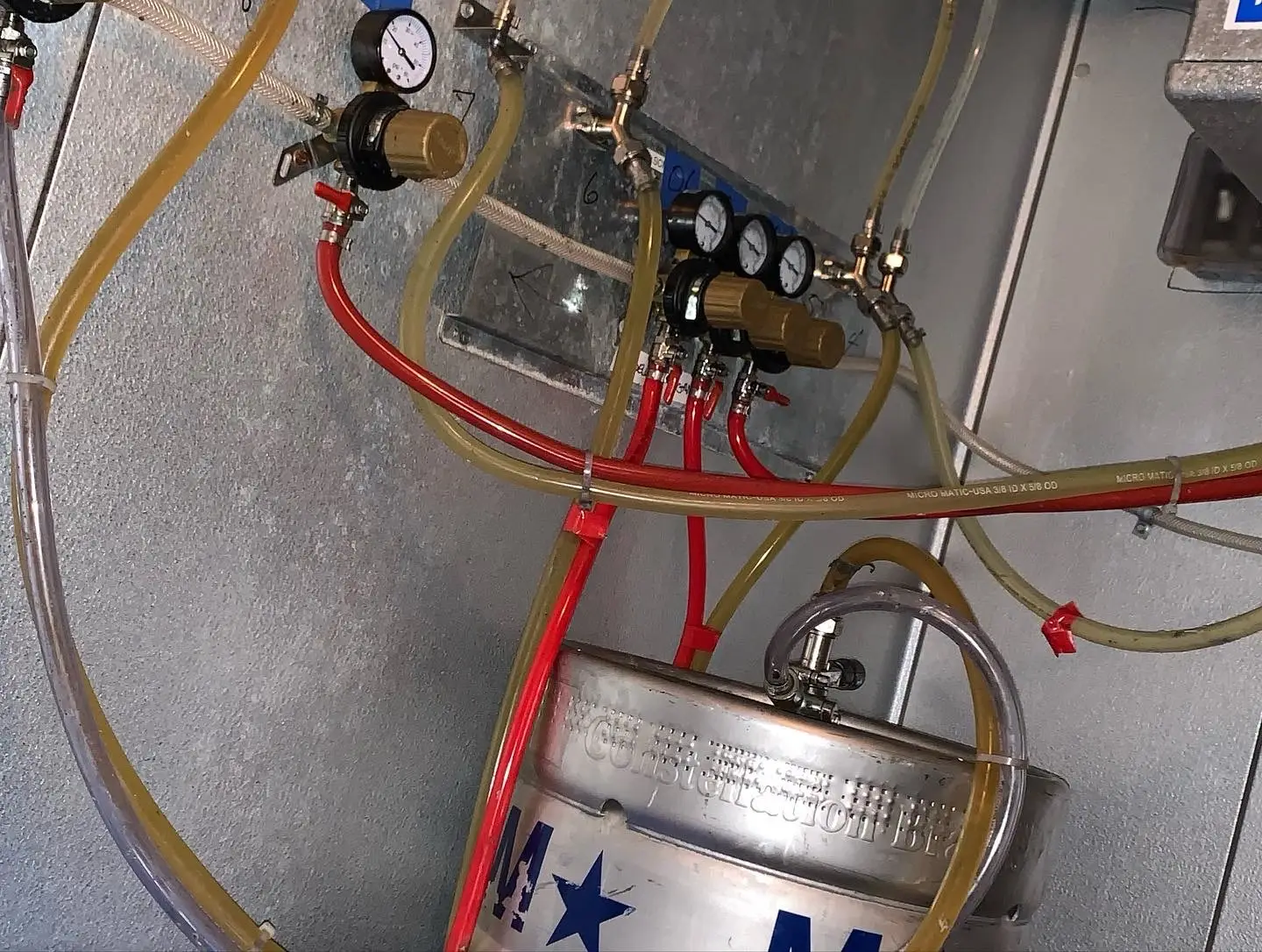
Keeping a keg fresh isn’t hard with a few smart practices. Storing the keg at 38°F (3°C) ensures the beer stays cold and carbonated. Using a CO₂ system instead of a party pump prevents oxygen exposure, helping maintain freshness for weeks or even months.
Proper storage and temperature control can also make a big difference in how long a keg lasts once tapped, keeping the beer crisp and flavorful for as long as possible.
Regular maintenance is just as important. Consistent commercial beer line cleaning prevents buildup that could alter the beer’s taste or introduce bacteria. Using sanitized couplers and tap lines also keeps contamination at bay.
Kegs should also be protected from direct sunlight and large temperature swings. For outdoor setups, insulated keg jackets or covers help maintain consistent conditions.
What Makes Beer Taste Better When Served From a Keg?
Beer served from a keg often tastes smoother and fresher than bottled or canned versions. That’s because kegs keep beer sealed from light and air, maintaining carbonation and flavor balance.
CO₂ systems help control pour pressure, which means the beer maintains its intended level of carbonation. This also prevents the flatness that can occur with improperly stored cans or bottles.
Another reason kegged beer tastes better is the temperature consistency. Draft systems allow for perfectly chilled beer every time. The reduced oxygen exposure keeps the flavor profile stable from the first pour to the last.
When maintained through regular commercial beer line cleaning, the entire draft setup keeps every glass crisp, refreshing, and exactly how the brewer intended.
How to Tap a Keg the Right Way
Tapping a keg the right way ensures the beer flows smoothly, stays fresh, and maintains perfect carbonation. It should be done carefully to prevent foam, leaks, or contamination. Whether it’s for a party or a home kegerator setup, following these steps makes all the difference.
1. Chill the Keg First
Before tapping, make sure the keg is properly chilled to around 38°F (3°C). If the beer is too warm, it will pour foamy and lose carbonation quickly. Let the keg sit upright and cool for at least 6–8 hours before tapping.
2. Set Up the Right Equipment
Choose the correct tap system for the keg. Make sure all connections, hoses, and fittings are clean before starting, as this helps prevent contamination and bad flavors.
3. Attach the Tap Properly
Place the tap coupler onto the top of the keg, aligning it with the valve. Twist and lock it securely into place. For most couplers, turning it clockwise will secure it. Then, push down on the handle until it locks. This opens the valve and allows beer to flow.
4. Check the Pressure
For CO₂ systems, adjust the regulator to around 10–12 PSI for most beers. Too much pressure causes foamy pours; too little makes the beer flat. For party pumps, remember that air is being pumped in, so the beer needs to be consumed within 8–12 hours.
5. Test the Pour
After tapping, open the faucet and pour a small amount of beer to clear any foam or sediment. Once the flow stabilizes, the keg is ready to serve. Always pour at an angle to preserve carbonation and reduce foam.
6. Handle With Care
Keep the keg upright and avoid shaking it. Too much movement stirs up sediments and leads to foamy pours. Maintain the right temperature during use, especially for outdoor events.
7. Keep It Clean
After serving, clean the tap lines and couplers. Regular commercial beer line cleaning prevents buildup that can affect taste or shorten a keg’s lifespan.
Keep Draft Beer at Its Best with Professional Beer Line Cleaning in Putnam County!
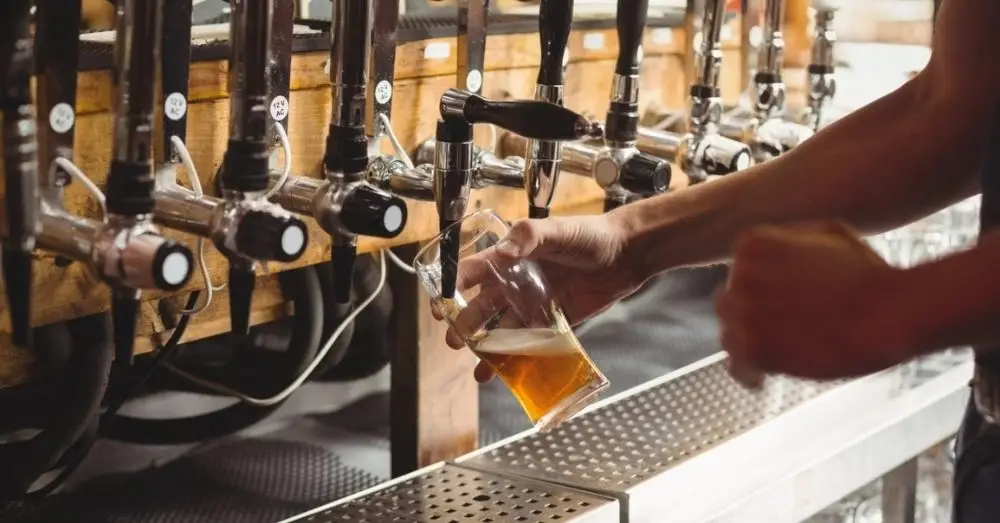
Fresh, clean beer lines make every pour taste as the brewer intended. In Putnam County, Beer Line Cleaning USA provides expert service that removes buildup, bacteria, and residue from commercial draft systems. Regular maintenance not only keeps kegs fresher for longer but also helps prevent foamy pours and off-flavors that can hurt customer satisfaction. Businesses across Putnam County trust Beer Line Cleaning USA to maintain their draft systems with precision and care, ensuring consistent quality and freshness with every glass.
Schedule a professional beer line cleaning in Putnam County with Beer Line Cleaning USA today!