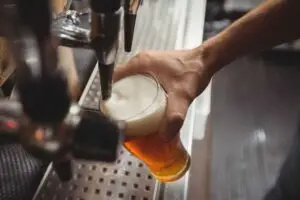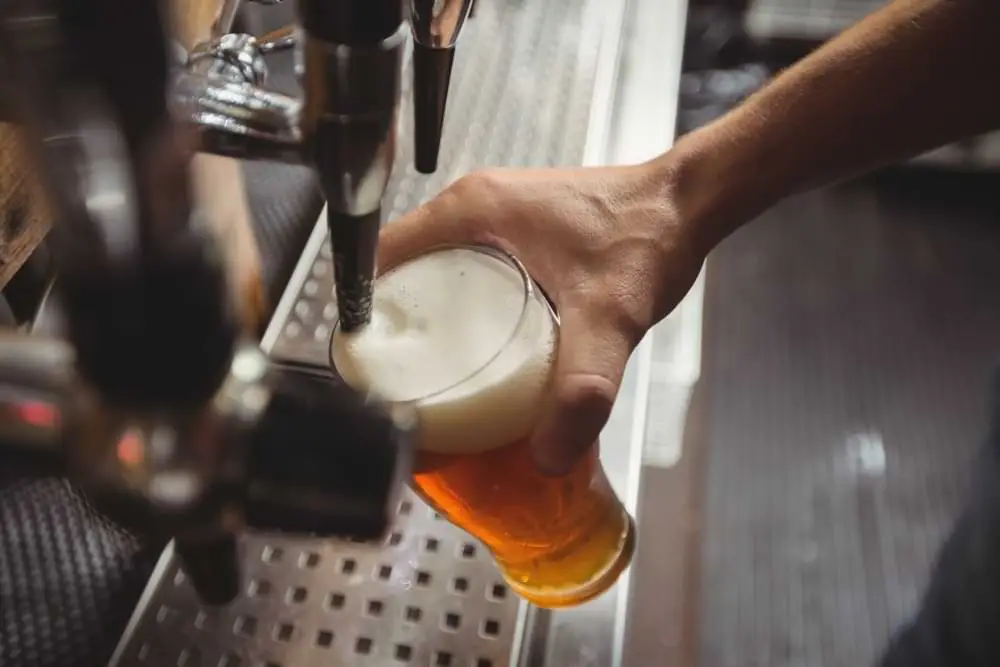
A poorly maintained draft system can make great beer taste bad fast. Dirty lines, yeast buildup, bacteria, and beer stone do not just affect flavor. They also lead to foamy pours, wasted product, and avoidable equipment problems.
Basic flushing may be handled in-house, but real draft system maintenance is not a DIY job. Beer lines need professional cleaning every two weeks, or at every keg change, to keep pours clean, consistent, and profitable.
Once cleaning involves chemical handling, disassembly, or troubleshooting, it is time to call a pro.
What's In This Guide
Quick Facts 🍺✔ Clean beer lines every two weeks or at each keg change. ✔ Basic flushing is possible in-house. Full maintenance is not. ✔ Off-flavors, foam, leaks, and slow pours signal bigger issues. ✔ Poor installation can make draft maintenance more difficult. ✔ A good provider cleans, inspects, and documents each service. |
What Draft System Maintenance Actually Covers
Components of Beer Line Cleaning
A draft system includes far more than the visible tap. Maintenance involves every component that comes into contact with beer, including:
- Beer lines and tubing
- Faucets and spouts
- Couplers and connectors
- FOB devices and valves
- Regulators and gas lines
- Cooling systems such as glycol or kegerator units
Each of these components can accumulate residue over time. Without proper cleaning, that buildup affects both sanitation and performance.
Why Maintenance Directly Impacts Beer Quality
Beer is a perishable product. When it moves through a system that contains yeast residue, sugar deposits, or microbial growth, its flavor profile changes. Common issues include:
- Sour or vinegary taste
- Buttery or stale notes
- Flat or over-carbonated pours
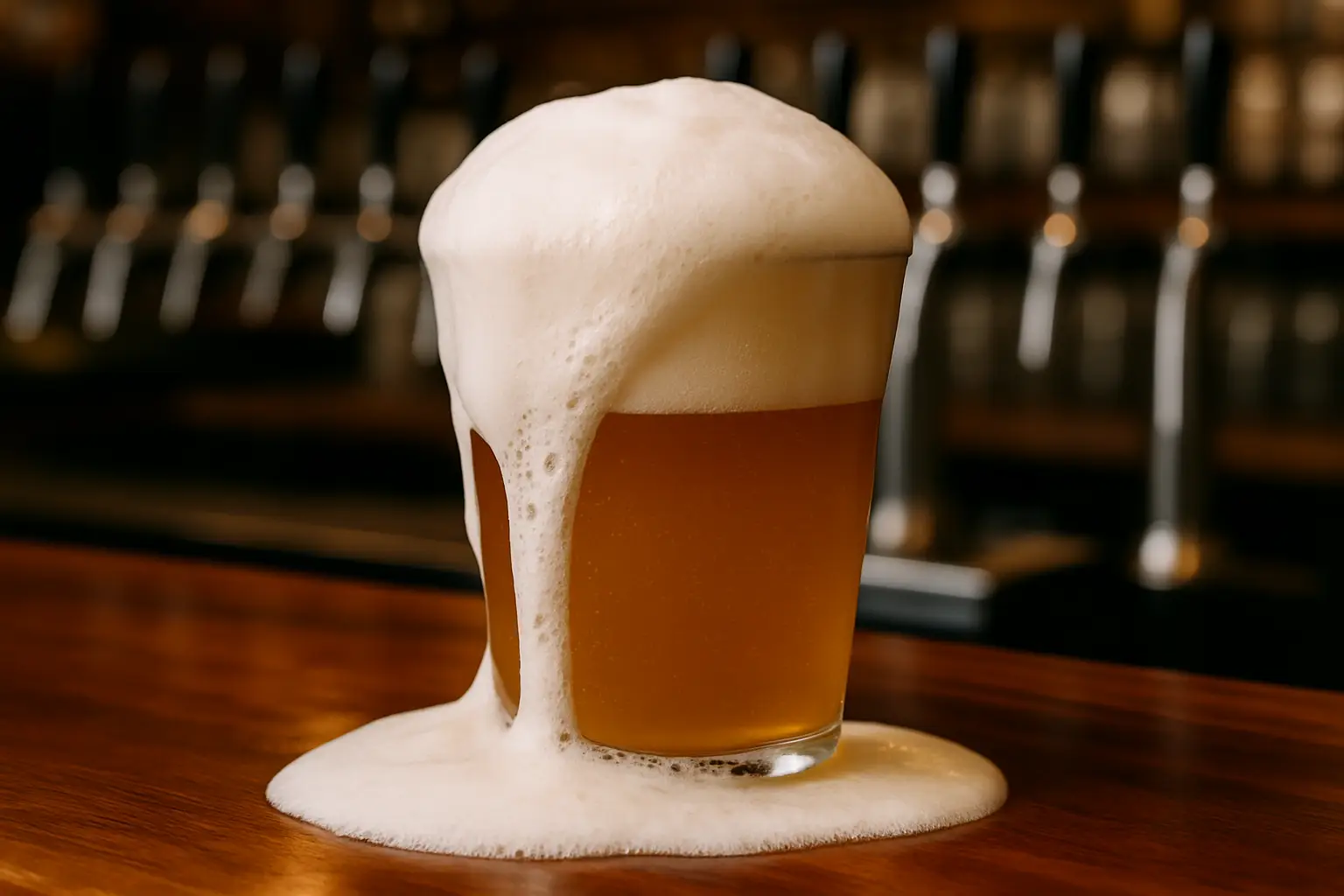
- Excess foam or inconsistent flow
Protecting Food-Contact System
Draft systems fall under food and beverage service standards, making proper cleaning essential for compliance and safety. Contaminated equipment is widely recognized as a leading risk factor in foodservice environments.
That means maintenance affects sanitation, pour consistency, and day-to-day operating standards.
What Staff Can Check In-House and What They Should Not Handle
What Can Be Monitored Internally
Staff can help catch early warning signs before they turn into larger system problems. Routine checks include:
- Observing pour speed and foam levels
- Noticing unusual smells or flavors
- Checking for visible leaks or drips
- Monitoring cooler temperature
- Keeping track of service dates
These checks help identify early issues, but do not replace proper maintenance.
Why Monitoring Is Not Maintenance
Spotting a problem does not fix it. Draft systems require controlled cleaning processes that involve specific chemical ratios, circulation methods, and component handling.
Without proper training and tools, even well-intentioned cleaning can leave residue behind or damage system components.
Common DIY Mistakes To Avoid
Businesses that attempt full cleaning in-house often run into issues such as:
- Using incorrect chemical concentrations
- Failing to circulate the cleaning solution properly
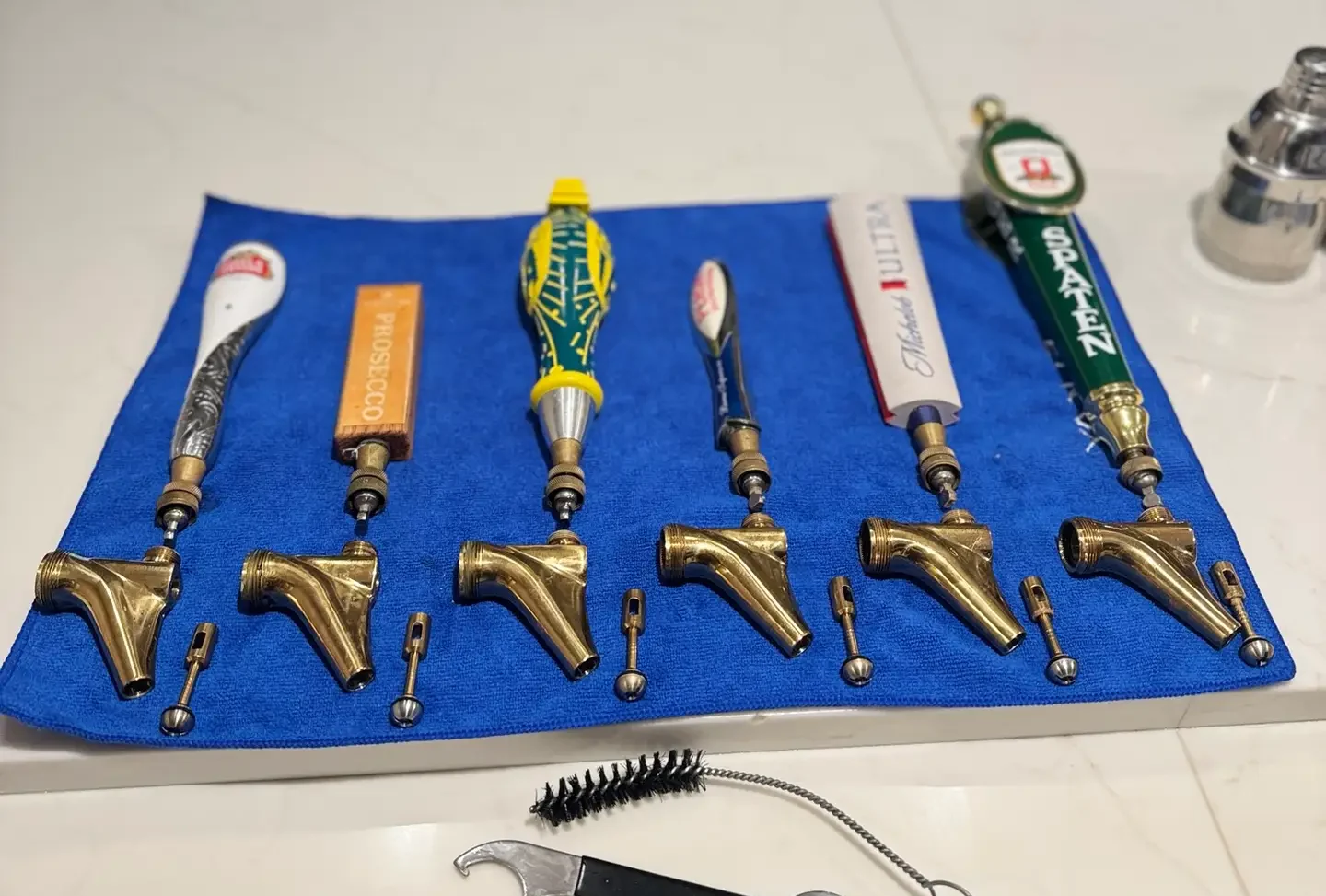
- Skipping faucet and coupler disassembly
- Leaving behind rinse residue
- Cleaning inconsistently or without documentation
These mistakes can make the system appear clean while contamination remains inside.
4 Major Signs Your Draft System Needs Professional Attention
1. Off-Flavors and Odors
If beer starts tasting sour, metallic, buttery, or stale, the issue often lies within the lines rather than the keg. Residue buildup and microbial growth are common causes.
2. Pouring Problems
Draft issues that point to deeper system problems include:
- Excessive foam
- Slow or uneven pours
- Flat beer
- Inconsistent carbonation between taps
These problems are often tied to both poor cleaning and draft system imbalance.
3. Visible Warning Signs
Look for:
- Sticky or clogged faucets
- Dark buildup inside spouts
- Leaks around couplers or tubing
- Dripping taps
These signs indicate that internal components may not be properly cleaned or maintained.
4. Operational Red Flags
When these conditions exist, professional service is overdue:
- No clear cleaning schedule
- No record of last service
- Multiple taps showing quality issues
- Staff unsure of proper cleaning procedures
When Draft System Maintenance Stops Being DIY
When Chemical Cleaning Is Required
Professional cleaning involves more than flushing water through lines. It requires:
- Food-safe cleaning chemicals
- Correct dilution ratios
- Controlled contact time
- Thorough rinsing
Improper chemical use can leave residue in the system or create safety risks for staff.
When Disassembly Is Necessary
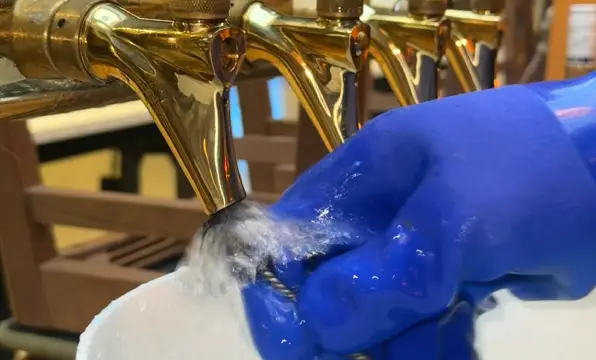
Faucets, couplers, and valves must often be taken apart and cleaned manually. This process ensures that hidden residue is removed from areas that cannot be reached through line flushing alone.
When System Performance Needs Diagnosis
Not all problems are caused by dirty lines. Some stem from:
- Gas pressure imbalance
- Faulty regulators
- Poor cooling
- Worn seals or tubing
- Issues related to beer tap system installation
Diagnosing these issues requires technical knowledge of how draft systems are designed and balanced.
When Safety Becomes a Concern
Cleaning agents used in draft systems can be hazardous if handled incorrectly. Proper protective measures and OSHA-compliant training are required to ensure safe use.
How To Know It’s Time To Call a Beer Line Cleaning Pro
Step 1: Check Your Cleaning Schedule
If your lines are not being cleaned at least every two weeks, or at every keg change, you are already outside recommended standards.
Step 2: Evaluate Beer Quality
If customers or staff notice changes in taste, aroma, or consistency, the issue likely extends beyond routine flushing.
Step 3: Assess Staff Capability
Ask whether anyone onsite is trained to:
- Use cleaning chemicals correctly
- Disassemble and reassemble components
- Document the process
If not, professional service is necessary.
Step 4: Look at System Design and Installation
Issues may trace back to how the system was set up. Poor beer tap installation or incomplete commercial draft beer system installation can make cleaning difficult and lead to recurring problems.
Step 5: Act Before Problems Escalate
Waiting increases product loss, staff frustration, and equipment wear. Calling a professional early helps prevent larger operational issues.
What a Professional Beer Line Cleaning Visit Typically Includes
Inspection
A thorough visit typically starts with a close check of the full system, including:
- Overall system condition
- Leak detection
- Component wear assessment
- Cooling and pressure review
Cleaning and Component Service
From there, the service should cover the parts that most directly affect beer quality and pour consistency, such as:
- Line cleaning using proper methods
- Faucet disassembly and cleaning
- Coupler and valve cleaning
- Full system rinse and verification
Problem Identification
A trained technician should also be able to spot whether ongoing issues are tied to:
- Contamination
- Mechanical wear
- Temperature control
- Installation flaws
What to Look for in a Beer Line Cleaning Provider
- Follows a consistent two-week or keg-change cleaning schedule
- Uses proper recirculation methods
- Fully disassembles and cleans faucets and couplers
- Provides clear service documentation
- Checks system balance, pressure, and temperature
- Identifies issues beyond cleaning, including installation or hardware problems
When a provider handles both cleaning and system evaluation, businesses get more than routine maintenance. That is why many businesses choose experienced specialists like Beer Line Cleaning USA when consistent draft performance matters.
Why Proper Cleaning Method Matters More Than Most Realize
Recirculation vs. Simple Flushing
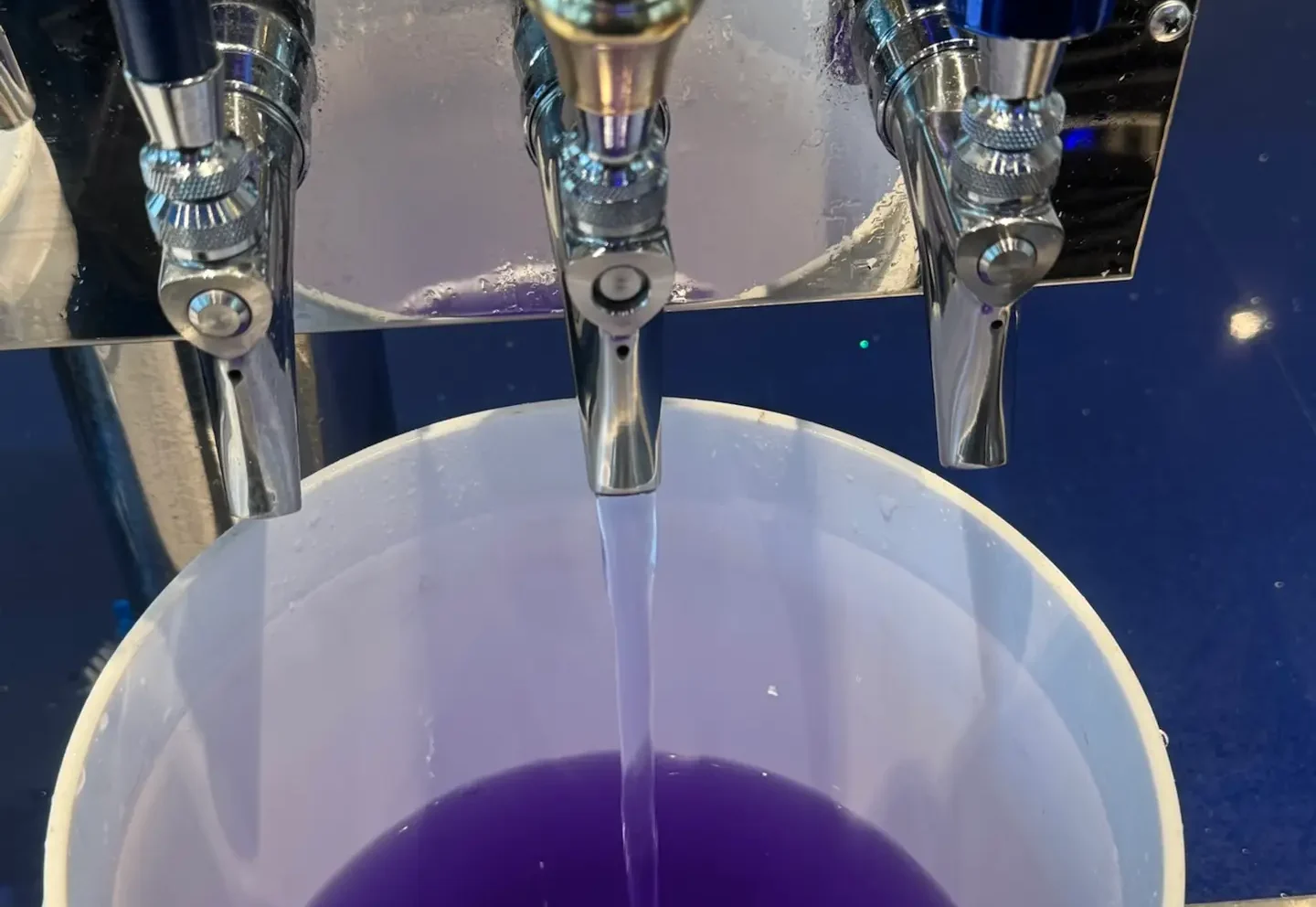
Professional cleaning uses recirculation to create turbulence inside the lines, which removes buildup more effectively than static soaking or simple rinsing. This method targets biofilm and deposits that cling to tubing walls.
Hidden Contamination Points
Even when lines appear clean, residue can remain in:
- Faucet interiors
- Couplers
- Valves and connectors
- Seals and gaskets
These areas require manual cleaning to fully remove buildup.
Documentation
Consistent service records help ensure that cleaning is done on schedule and that recurring issues are identified early. Without documentation, maintenance becomes reactive rather than preventive.
How Installation Quality Impacts Long-Term Maintenance
Why Installation Impacts Maintenance
A poorly designed system is harder to clean and maintain. Problems often begin with:
- Incorrect line lengths
- Poor routing
- Limited access to components
- Improper cooling setup
These issues can increase the frequency and difficulty of maintenance.
The Limits of DIY Setup Guides
DIY searches for how to install a beer tap or basic beer tap assembly instructions often apply to simple setups, not commercial environments. A full commercial draft beer system installation involves balancing pressure, temperature, and flow across multiple lines.
Maintenance and Installation Work Together
A well-installed system supports easier cleaning, better performance, and fewer recurring issues. Maintenance becomes more effective when the original setup is designed with accessibility and balance in mind.
What Businesses Risk by Treating Draft Maintenance as DIY
Loss of Product Quality
Dirty lines can make beer taste sour, stale, buttery, or flat. Customers may not know why the pour tastes off, but they will notice the drop in quality.
Increased Waste
DIY upkeep often leads to foamy pours, dumped beer, and repeat pours. That means more product loss and tighter margins.
Equipment Damage
Wrong cleaning methods or delayed service can wear down faucets, couplers, seals, and lines faster. Small issues can turn into bigger repair costs.
Sanitation Concerns
Draft systems are part of foodservice equipment. If cleaning is incomplete, residue and buildup can stay in the system and create sanitation problems.
The Bigger Business Impact
- Lower customer satisfaction
- More wasted beer
- Higher maintenance costs
- Less reliable pours during service
Frequently Asked Questions (FAQs)
How long does a professional beer line cleaning visit usually take?
The time depends on the size and layout of the system. A small setup may take less time, while a multi-tap commercial system usually takes longer because each line and component needs to be cleaned and checked properly.
Can dirty beer lines affect every tap or just one?
Either is possible. A single tap may have its own issue, but if several taps are pouring poorly or tasting off, the problem may point to a wider system cleaning or maintenance issue.
Does a new draft system still need professional cleaning right away?
Yes. Even a newer system needs regular service from the start. Installation does not replace routine cleaning, and buildup can begin quickly once the system is in use.
Can seasonal businesses clean draft lines less often during slow periods?
No. If the system is being used, regular cleaning still matters. Reduced traffic does not stop residue, yeast, or beer stone from building up inside the lines.
What happens if draft line cleaning is skipped for too long?
Skipping service can lead to off-flavors, excess foam, slow pours, buildup inside components, and more wear on the system over time. The longer cleaning is delayed, the harder those issues can be to correct.
Schedule Professional Beer Line Cleaning Before Problems Impact Your Business
Staying on a consistent service schedule helps protect beer quality, reduce waste, and keep your system running the way it should.
If you want reliable results without the uncertainty of DIY maintenance, working with a professional provider is the smart move. Beer Line Cleaning USA in Putnam County offers the expertise and consistency businesses need to keep their draft systems clean, balanced, and performing at a high standard.