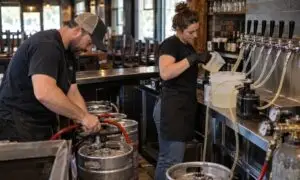
Dirty beer lines cut into your draft profits in three ways: they create excessive foam, spoil beer flavor, and waste product you already paid for.
When yeast, mold, and bacteria build up inside the lines, they form biofilm and trap mineral deposits (beer stone), which disrupts smooth flow and makes pours inconsistent. The result is more beer dumped down the drain, fewer sellable pints per keg, and more customer complaints or send-backs.
What's In This Guide
Quick Facts
|
 Foam loses revenue when restricted flow creates waste.
What Dirty Beer Lines Really Mean
Dirty beer lines refer to the buildup of biological and mineral deposits inside draft beer systems. These deposits accumulate along the interior of beer tubing, faucets, couplers, and other components that come into contact with the product.
What Builds Up Inside Beer Lines
Beer is a complex beverage containing proteins, carbohydrates, and organic compounds that can leave residue in draft systems. When these residues remain inside the lines, microorganisms can attach to the surfaces and begin forming biofilms.
Common contaminants found in poorly maintained draft systems include:
- Wild yeast
- Lactic acid bacteria
- Mold
- Beer stone (calcium oxalate mineral deposits)
Biofilms are especially problematic because they form protective layers made up of single or mixed communities of microorganisms, including bacteria, fungi, and yeasts. This helps them cling to surfaces and survive cleaning when procedures aren’t thorough and properly followed.
Why Contamination Happens Quickly
Draft beer lines create an ideal environment for microbial growth. The tubing remains moist, contains residual nutrients from beer, and may sit unused overnight or between service periods.
Without routine cleaning, these conditions allow microorganisms to multiply rapidly. Even a system that appears to pour normally can already contain contamination that affects flavor, foam stability, and overall quality.
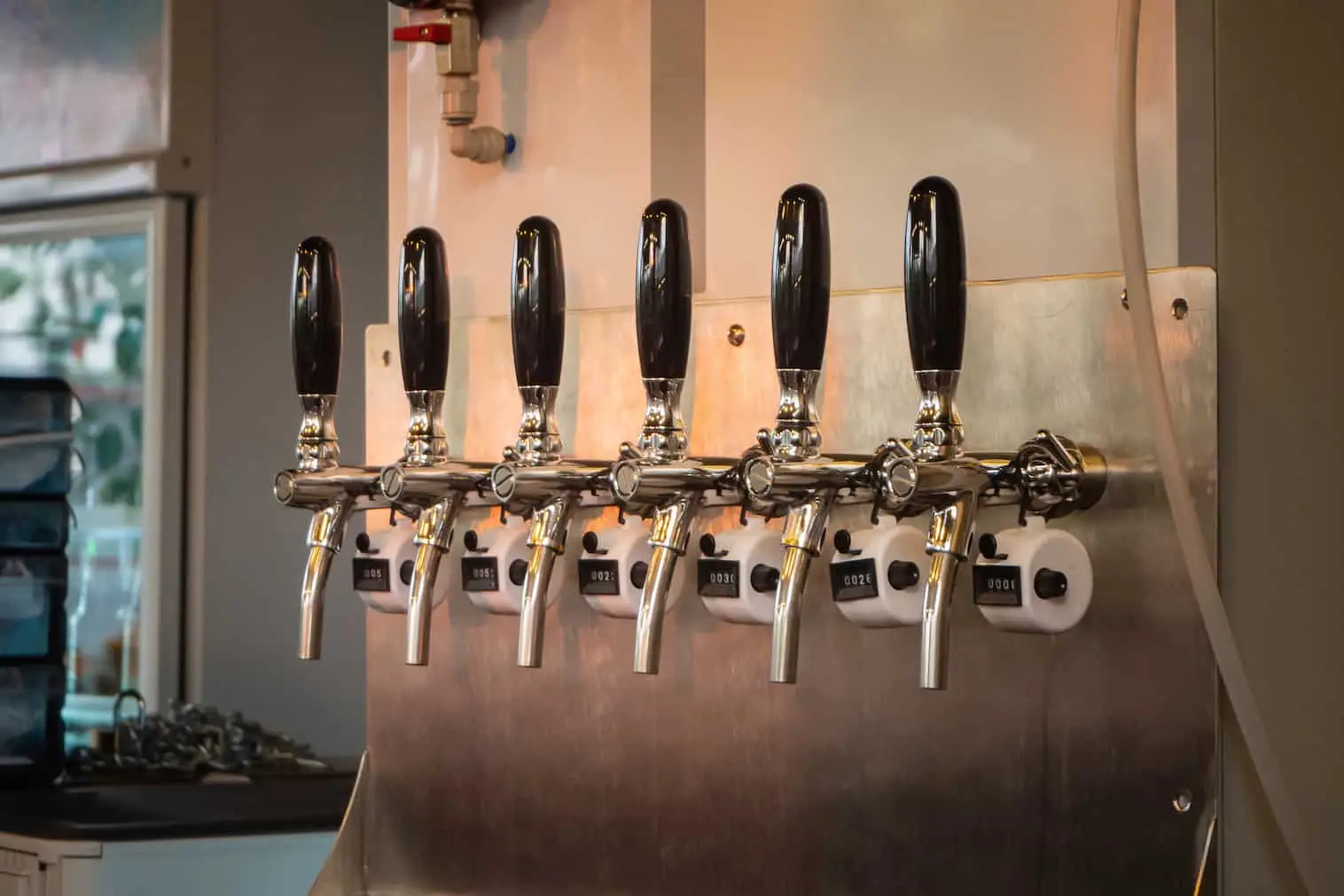
How Dirty Lines Turn Into Waste, Foam, and Lost Revenue
When draft lines become contaminated, the financial impact appears in several ways. Each issue alone may seem minor, but together they can significantly reduce keg profitability.
Foam Loss and Product Waste
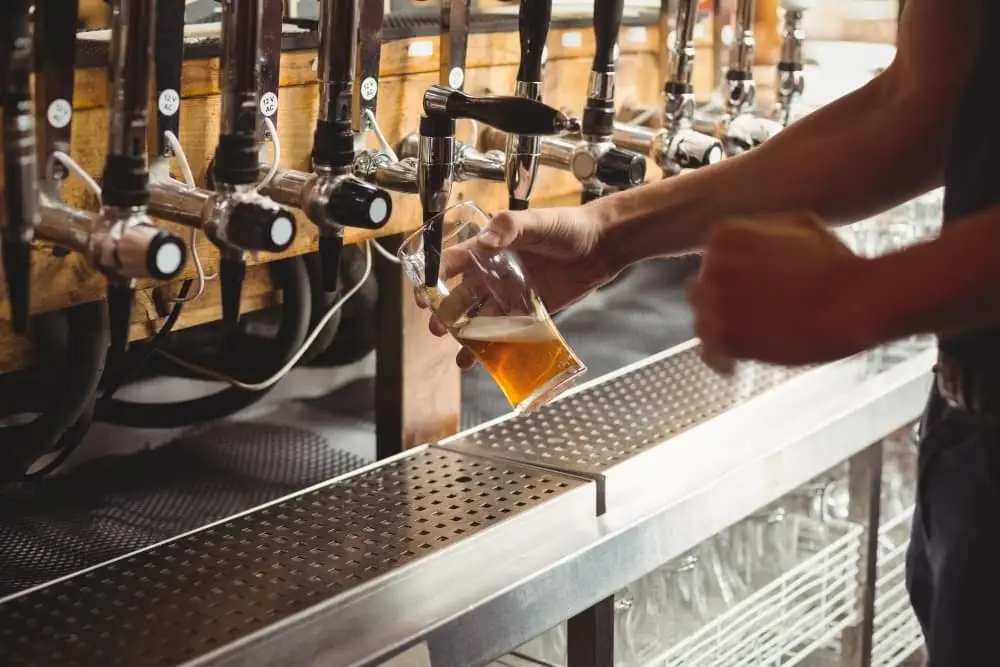
One of the most common symptoms of dirty lines is excessive foam, often called “fobbing.” When contamination or deposits disrupt the flow of beer, turbulence occurs in the line, and gas escapes prematurely. The result is foam pouring into the glass instead of liquid beer.
Every foamy pour typically means part of the product goes directly down the drain.
Short Pours and Repours
Bartenders often compensate for foam by dumping the first pour and starting again. This wastes additional beer and slows service during busy periods.
Repours also increase labor inefficiencies. Staff must spend more time troubleshooting taps, replacing glasses, and managing frustrated guests.
Reduced Keg Yield
Dirty lines can lower the amount of sellable beer obtained from each keg. When excessive foam and repours occur repeatedly, a portion of the keg never reaches the customer.
Even small daily losses add up.
For example:
- 2 ounces wasted per pour
- 150 pours per day
- 300 ounces are wasted daily
That equals nearly 19 pints lost every day. Over a month, the lost revenue can be substantial depending on the price per pint.
Planned Waste vs. Unplanned Waste
Every draft system experiences some level of unavoidable waste. Understanding the difference between planned and unplanned waste helps operators manage profitability more effectively.
Planned Waste During Cleaning
Cleaning beer lines requires flushing product from the tubing before cleaning solutions are introduced. The volume of beer discarded during this process typically equals the internal volume of the lines themselves. This waste is expected and controlled.
Unplanned Waste From Dirty Lines
Dirty lines create additional waste that operators cannot predict or control.
Examples include:
- Foam dumped during repours
- Beer lost during troubleshooting
- Product discarded because of off-flavors
- Slower pours that reduce sales volume
Unlike planned waste, these losses occur repeatedly throughout service and often go unnoticed in daily operations.
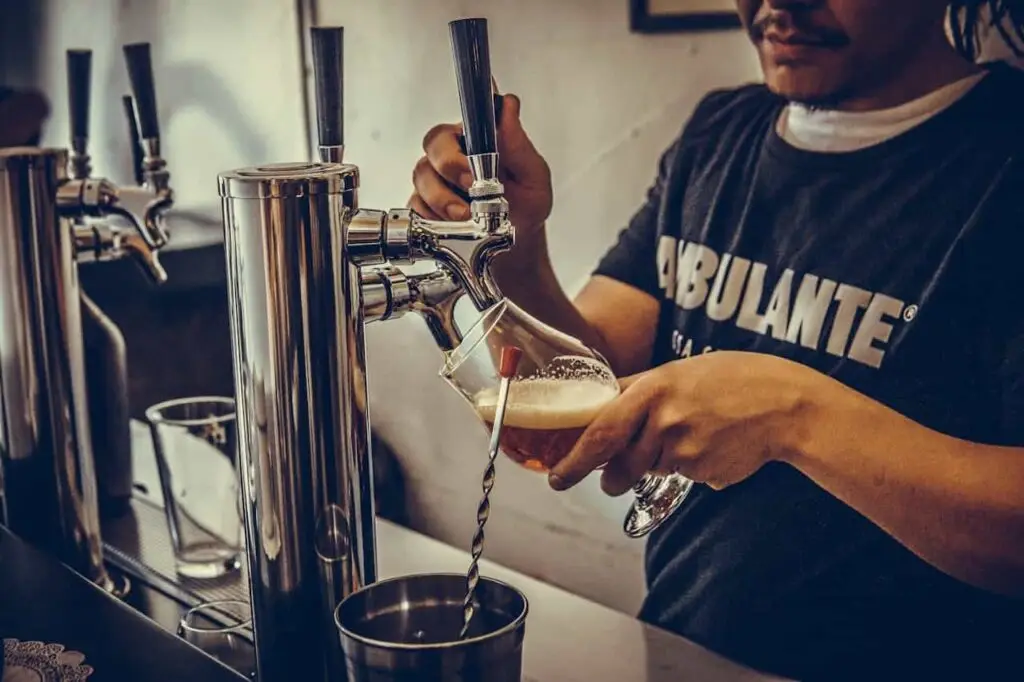
Hidden Operational Costs Dirty Beer Lines Create
Dirty beer lines don’t just waste beer. Even if you never track ounces down the drain, you can feel these costs in labor, throughput, and guest experience.
More Bartender Time Spent Managing the Tap
When a line pours inconsistently, staff compensate by dumping first pulls, babysitting foam, swapping glasses, or waiting for beer to settle. Those extra seconds per pour add up during rushes, reducing the number of drinks you can serve per hour.
Higher Comp and Remake Rates
Off-tasting beer or a glass that shows up half foam often leads to refunds, remakes, or comps. This hits revenue twice: you lose the sale, and you lose the product.
Slower Sell-Through on Draft Inventory
When a tap becomes unreliable, staff may steer customers elsewhere. Slower turnover can increase the time beer sits in the system, which can further compound quality issues, especially if cleaning intervals stretch.
Inconsistent Guest Expectations
Draft programs rely on repeatability. If the same beer tastes different week to week, customers lose confidence in ordering draft at your location. That’s a long-term revenue leak because it shifts behavior away from one of your highest-margin categories.
Equipment Wear and Service Interruptions
Residue and mineral buildup can contribute to restricted flow and added strain on components. Over time, that can mean more frequent maintenance, unexpected downtime, and a draft system that’s always “almost fixed” instead of consistently reliable.
The Real Reason Your Draft Beer Tastes Foamy or Flat (And How To Fix It)
How Often Should Beer Lines Be Cleaned
Routine cleaning is the most effective way to prevent contamination and maintain consistent pours.
Draft beer lines should be cleaned at least every two weeks. This schedule helps remove microbial growth, yeast residue, and beer stone that accumulate inside the system.
Regular cleaning should also include related components such as:
- Faucets
- Couplers
- Foam-on-beer detectors (FOBs)
- Keg connectors and fittings
These components frequently come into contact with beer and can harbor residue if neglected.
Building a Reliable Cleaning Schedule
Many hospitality operators build draft maintenance into a predictable operational routine.
Common practices include:
- Scheduling cleaning during low traffic periods
- Maintaining written cleaning logs
- Assigning responsibility to a designated staff member or contractor
- Inspecting taps regularly for signs of foam or off-flavors
Documenting cleaning activity is especially important for multi-location operations, where consistent standards across venues protect both product quality and brand reputation.
What Professional Beer Line Cleaners Can Do
While some establishments attempt in-house cleaning, many draft systems benefit from professional servicing.
Thorough Chemical Cleaning
Technicians use industry-approved cleaning solutions designed to break down organic residue, yeast, bacteria, and beer stone that accumulate inside draft lines. Proper chemical concentration and contact time are critical for effective sanitation.
Full System Component Cleaning
Professionals do more than flush the lines. They also clean and inspect faucets, couplers, FOBs, keg connectors, and other draft hardware that can trap residue and contribute to contamination.
System Inspection and Troubleshooting
Experienced technicians often identify early signs of system issues such as pressure imbalance, worn seals, or restricted flow. Catching these problems early helps prevent foam issues and equipment damage.
Documentation and Cleaning Records
Professional services typically maintain detailed service logs that track cleaning dates and system maintenance. These records help operators verify compliance with recommended cleaning schedules and maintain consistency across locations.
Consistent Preventive Maintenance
Scheduled service ensures lines are cleaned regularly without relying on busy staff schedules. This helps maintain beer quality, stable pours, and predictable keg yields.
How To Spot Dirty Beer Lines Before Customers Do
Early detection of draft system issues can prevent both product waste and guest dissatisfaction.
Step 1: Check Cleaning Records
Start by confirming the date of the last cleaning. If the schedule has slipped beyond the recommended two-week interval, contamination may already be developing.
Maintaining a cleaning log helps track maintenance and ensures accountability.
Step 2: Evaluate Pour Consistency
Pour several pints from each tap and observe the results.
Look for:
- Excessive foam on the first pour
- Inconsistent flow rates
- Cloudy appearance
- Strange aromas
These signs often indicate contamination or buildup inside the lines.
Step 3: Inspect Key Hardware
Certain components are especially prone to residue buildup.
Inspect:
- Faucet interiors
- Couplers
- Keg connectors
- FOB systems
Residue in these areas can disrupt beer flow and contribute to foam problems.
Step 4: Train Staff to Report Issues
Bartenders are the first to notice changes in draft performance.
Encourage staff to report recurring foam issues, unusual flavors, or slow pours. Documenting these observations helps identify problems before they affect multiple kegs.
Step 5: Establish Preventive Maintenance
Preventive maintenance is more effective than reactive troubleshooting. Consistent cleaning schedules reduce contamination and protect beer quality across all taps.
Frequently Asked Questions (FAQs)
Can dirty beer lines make beer taste flat even if the keg carbonation is correct?
Yes. Residue and biofilm can disrupt smooth flow and head formation at the faucet, which affects mouthfeel and perceived freshness. The beer can seem less lively in the glass even when the keg is properly carbonated.
Do certain beverages foul draft lines faster than others?
Often, yes. Beverages with more residual sugars, solids, or flavoring components (some hazy beers, ciders, and draft cocktails) can leave more residue in lines and fittings. More residue can mean faster buildup and a higher chance of flavor carryover if cleaning is inconsistent.
What are the clearest service now signs that a tap has a line or hardware hygiene problem?
Look for patterns that repeat on the same tap: a sudden increase in first-pour foam, persistently slow flow compared to neighboring taps, recurring off-odors at the faucet, or a line that “acts up” regardless of who is pouring.
Can dirty lines cause flavor transfer between different beers on a multi-tap system?
Yes. Deposits in lines and faucet components can retain aromas and flavors, which can show up as carryover when beers are rotated. This is most noticeable when a light beer follows a strongly flavored one, but it can affect many combinations if residue is present.
How do I verify the cleaning actually worked beyond it pours better?
Use a simple before-and-after check: note pour time and foam level on the same tap, smell at the faucet, and taste two or three pours for consistency. If you track it in a log, you can spot repeat offenders and confirm the system stays stable between cleanings.
Schedule Professional Beer Line Cleaning To Protect Your Pour Profit
Maintaining clean lines is one of the simplest ways to protect both beer quality and profitability.
If you want to maintain consistent pours and reduce unnecessary beer waste, consider partnering with Beer Line Cleaning USA. Our team in Putnam County works with bars, restaurants, breweries, and hospitality venues to keep draft systems clean, properly maintained, and performing the way they should.