Planning a party, stocking a bar, or setting up a home kegerator usually comes down to one question: how many beers in a keg?
The exact number depends on the keg size and how you plan to serve it, but a full-size half-barrel keg (half keg) typically pours about 165 12-ounce beers or 124 16-ounce pints. Smaller keg sizes, like sixth barrels and Cornelius (corny) kegs, hold fewer servings but can be a better fit for tight spaces or events where you want variety.
We’ll break down the most common keg sizes and what to consider when planning pours, including foam, waste, and basic draft line upkeep.
On This Page
Quick Take
|
How Many Beers in a Keg: Sizes Explained
If you’re trying to plan drinks for an event or set up a kegerator, the key is simple: the number of servings depends on the keg’s size and how you pour. Once you know which keg you’re buying, you can estimate servings quickly using standard pour sizes.
What “Barrel” Means in Keg Sizes
Most standard keg sizes in the U.S. are described as a fraction of a beer barrel. That is why you see names like half-barrel keg, sixth barrel, and quarter barrel.
In everyday conversation, people often say half keg when they mean a half-barrel keg, and they also call it a “full-size keg,” which can be confusing if you are new to draft beer.
If you are comparing keg sizes, focus on two things: the keg type (half barrel, quarter, sixth, Corny) and your serving size (12 oz, 16 oz, 64 oz).
Common Keg Types You’ll See
Keg names in the U.S. usually refer to standard keg sizes, and many come with nicknames you’ll hear from breweries, distributors, and home kegerator owners. Here are the most common types and what each one means:
Cornelius Kegs (Corny, Pepsi, Home Brew Keg)
A smaller keg is widely used for homebrew and home kegerators. It’s popular because it’s easier to lift and often fits in household fridges or compact kegerators.
Sixth Barrel Kegs (Sixtels, Logs)
A common craft beer option for tap rotations. A sixth barrel gives you variety without committing to a full-size keg, and it’s often easier to store and chill than larger keg sizes.
Quarter Barrel Kegs (Pony Kegs, Stubby Quarters)
A mid-size keg chosen for moderate-volume events. “Pony keg” is a common U.S. nickname, and “stubby quarter” often refers to its shorter, wider shape, which can matter for fit.
Slim Quarter Kegs (Tall Quarters)
Similar to a quarter barrel, but taller and narrower. This profile can work better when floor space is tight or when a setup is designed for a narrower keg footprint.
Half Barrel Keg (Half Keg, Full-Size Keg)
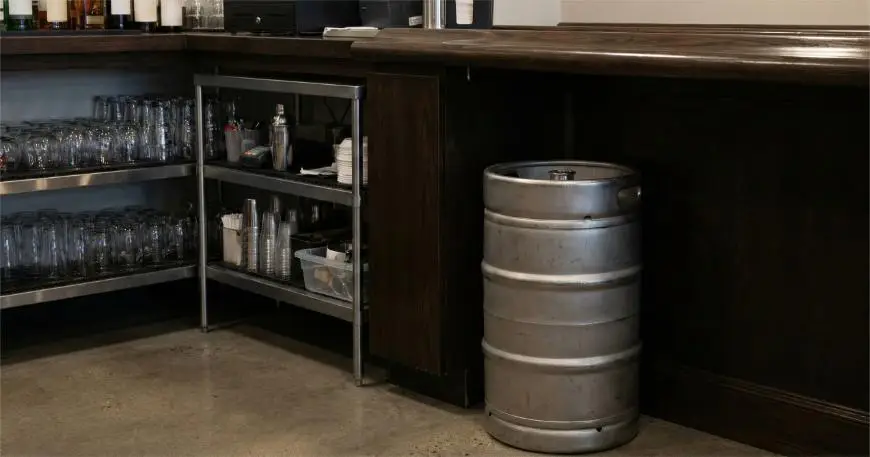
The classic bar and event workhorse. Often, what people mean when they say “a keg” is that it offers the most servings, but it also requires the most space, chilling capacity, and careful handling due to weight.
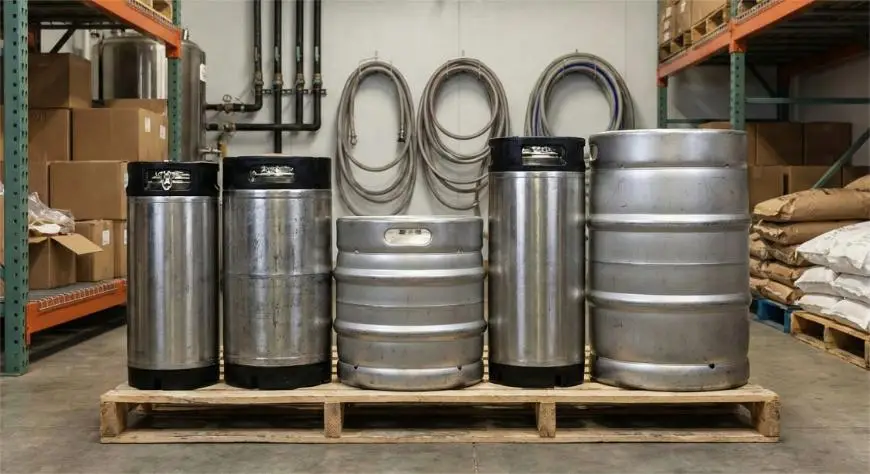
Keg Size Chart: Beers, Pints, and Growlers per Keg
Use this chart when you want an at-a-glance view of keg sizes and servings. The counts below match the Untappd-style reference and common keg conversion guidance.
Keg Type | Common Names | 12 oz Glasses | 16 oz Pints | 64 oz Growlers | Best For |
| Cornelius | Corny, Pepsi, home brew | 53 | 40 | 10 | Home kegerators, homebrew |
| Sixth barrel | Sixtel, log | 55 | 41 | 10 | Variety, smaller events |
| Quarter barrel | Pony, stubby quarter | (Varies by standard volume) | 62 | 15.5 | Medium events, limited space |
| Slim quarter | Tall quarter | 82 | 62 | 15.5 | Medium events, narrow footprint |
| Half-barrel keg | Half keg, full-size | 165 | 124 | 31 | Large events, high-volume service |
For the quarter barrel, many guides cite about 82 twelve-ounce beers because it is commonly listed around 7.75 gallons. However, keg standards vary by supplier and format, so confirm with your distributor if you need exact numbers for purchasing.
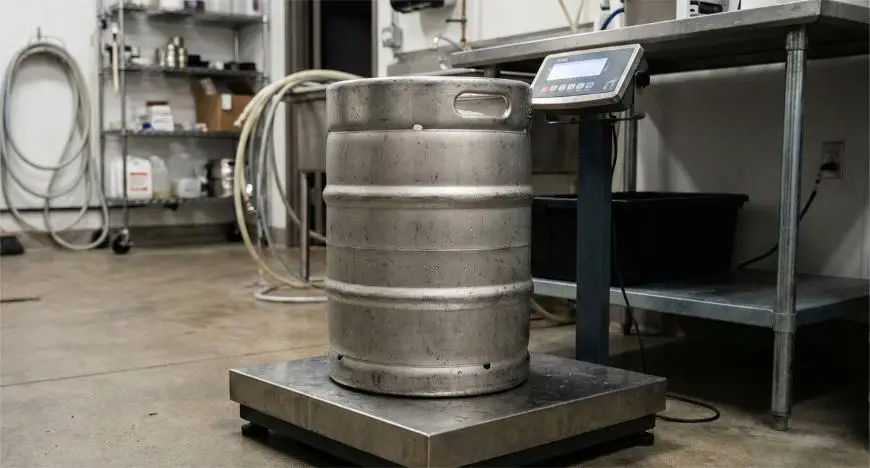
How Much Does a Keg Weigh? Empty vs. Full Keg Weight
If you’re planning pickup, setup, or storage, it helps to estimate how much a keg weighs before you commit to a keg size. The biggest factor is whether the keg is empty (just the stainless steel shell) or full of beer, since liquid adds most of the weight.
To ballpark how much a full keg weighs, start with the fact that liquid weight adds up fast. A good rule of thumb is that 1 gallon of water weighs about 8.34 pounds (beer is close enough for basic planning). A standard half-barrel keg holds 15.5 gallons, so the liquid alone is roughly 129 pounds, plus the empty keg shell.
Because empty keg weight varies by manufacturer, full keg totals vary too. Many common estimates put a full half-barrel keg around 160–165 pounds. Smaller keg sizes like sixtels, Corny kegs, and quarter barrels are easier to lift and fit in tight spaces, which matters if you’re swapping kegs yourself.
Corny, Sixtel, Quarter, Slim Quarter: Which One Fits Your Setup?
The best choice comes down to space, how many people you’re serving, and whether you want one beer or a few options. Different keg sizes also change how easy the keg is to chill, move, and finish while it’s still tasting fresh.
For Home Kegerators and Tight Spaces
Cornelius and sixth-barrel kegs are usually easier to fit in compact fridges and home kegerators than larger formats. They’re also simpler to move, which matters when you’re swapping kegs yourself.
If you like rotating styles, smaller keg sizes can help you finish a keg sooner after tapping.
A slim quarter is a solid compromise when you want more volume than a sixtel but need a narrower footprint than a stubby quarter.
For Parties and Events
If you want one crowd-pleaser beer and fewer moving parts, a half-barrel keg is often the simplest option. If you want variety, two sixth barrels can cover different tastes without locking you into one large keg choice.
Keep weight and transport in mind. Planning goes smoother when you’ve thought through where the keg will sit, how it will stay cold, and how it will get there.
For Rotating Craft Options
Sixth-barrel kegs are common for seasonal releases and tap rotations because they let you swap beers more often. They’re also a practical way to test demand. If a beer moves quickly, scaling up to a larger keg next time can make sense.
How To Choose the Right Keg Size (Step by Step)
A good keg choice is not just about volume. It’s also about how you’ll serve it, how fast you’ll finish it, and whether your setup can keep pours consistent from the first glass to the last.
Step 1: Estimate Your Guest Count and Serving Style
Start with a realistic headcount of who will actually drink beer. Then decide how you’ll serve it, whether that’s 12-ounce cups, 16-ounce pints, or smaller tasting pours. Pour size changes your totals quickly, so this is the baseline for planning.
Step 2: Decide If You Want One Beer or Variety
If you want one crowd-pleaser with fewer moving parts, a half-barrel keg is often the simplest. If you want a couple of choices, two sixth barrels or a mix like a sixth plus a slim quarter can give variety without overcommitting to one large option.
Step 3: Add a Buffer for Foam and Waste
Even with a good setup, plan for some loss from foam, spills, and heavy pours. For many casual events, a 10% to 15% cushion is a practical range. If foam is consistent, that buffer disappears fast.
Step 4: Confirm Space, Cooling, and Fit Before You Buy
Measure your fridge, kegerator, or cooler setup so you know the keg will physically fit. Pay attention to shape differences, especially when choosing between a quarter barrel and a slim quarter. Make sure you have a cooling plan that keeps the beer cold from start to finish, since warm beer is a common cause of foamy pours.
Step 5: Protect Flavor With Draft Line Basics
Draft systems are simple but sensitive. Temperature, pressure, and clean lines help you pour what you paid for. If the beer suddenly tastes off or foam spikes, look for a beer line cleaner near you to ensure your draft lines and fittings are properly cleaned and sanitized.
Frequently Asked Questions (FAQs)
Is it cheaper to buy beer in a keg?
Often, yes on a per-serving basis, especially with larger kegs, but the final cost depends on deposit, equipment (tap/CO2), and how much beer is lost to foam or overpours. If you’re serving a crowd and you’ll finish most of it, kegs are usually more economical than buying the same volume in cans or bottles.
How long will a keg last once tapped?
It depends on how it’s dispensed and how it’s stored. Kept cold and served on a proper CO2 setup, beer generally stays fresher longer than it does with a basic hand-pump party tap, which introduces oxygen and speeds up staling. If flavor changes or foam suddenly increases, having the draft lines cleaned can help, and Beer Line Cleaning USA is a great option for that.
Can a keg be tapped twice?
Yes. You can disconnect a keg and tap it again later, as long as it stays cold, sealed, and handled cleanly. The main risk is quality issues from temperature swings or dirty connections, so it helps to keep the coupler and lines in good condition. If you’re troubleshooting, a nearby beer line cleaner can help check and clean the system.
Does beer in a keg go bad if not refrigerated?
Warm storage speeds up staling and can increase foam and waste once tapped, which can reduce how many usable pours you get from a keg. Keep it cold whenever possible.
Do kegs go bad if untapped?
The keg itself doesn’t “go bad,” but the beer can lose freshness over time, especially if stored warm or moved around a lot. Store it cold and upright. Unpasteurized or hop-forward beers tend to show quality changes sooner than heavier styles.
Keep Pours Smooth Every Time
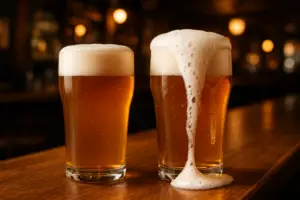
For your bar or event in Putnam County, the keg math gets you close, but pour quality determines whether you actually get those servings. A foamy setup can turn a well-planned half keg into fewer usable pints, and that is where routine draft maintenance matters.
Beer Line Cleaning USA works with draft systems to help keep pours consistent, reduce foam-related waste, and support reliable service for homes and businesses.