Table of Contents
Key Takeaways✔ Dirty beer lines can cause off-flavors, foaming, and contamination that harms product quality and customer experience. ✔ Regular cleaning schedules help maintain consistent taste, protect equipment performance, and support sanitary dispensing. ✔ Professional service costs vary by system size and complexity, so accurate quotes typically require an on-site or detailed assessment. ✔ Water alone is not enough to remove buildup, yeast, or biofilm that can develop inside commercial draft lines. ✔ Professional cleaning tends to deliver more reliable results than DIY attempts due to proper chemicals, tools, and documented procedures. |
Behind every great pint is an invisible system most customers never think about: the draft beer lines. When those lines are neglected, the damage goes far beyond taste.
Skipping commercial beer line cleaning can trigger health risks, waste thousands of dollars in product, and slowly erode a bar or restaurant’s reputation, often without the owner realizing the true cause.
What Happens When Commercial Beer Lines Aren’t Cleaned?
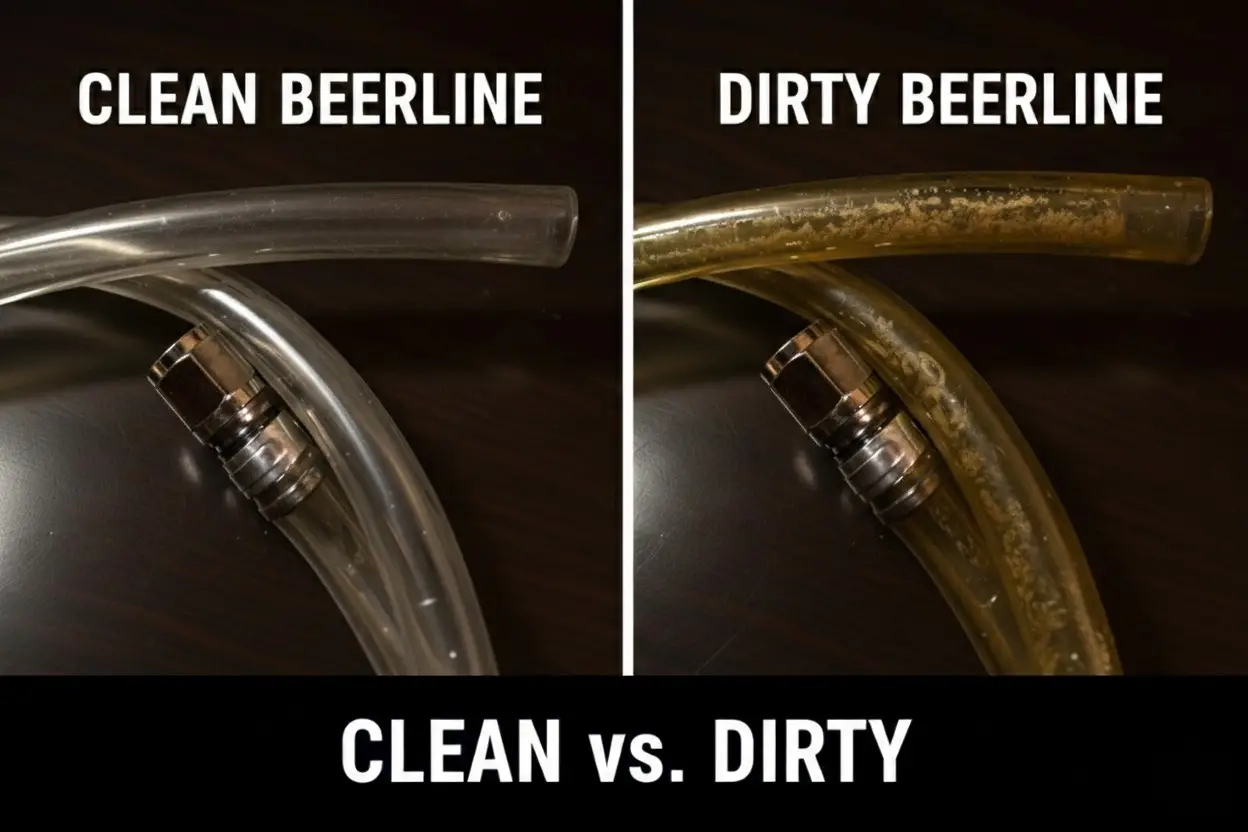
Beer is a living product. It contains sugars, proteins, yeast, and minerals that naturally cling to the inside of draft lines. Over time, these residues form layers of beer stone and biofilm that standard rinsing cannot remove.
Even in busy bars where beer moves quickly, buildup still occurs. Temperature changes, pressure fluctuations, and line length all contribute to contamination. Without routine commercial beer line cleaning, the system becomes a breeding ground for microorganisms that compromise flavor, safety, and performance.
Many operators assume issues like foam, slow pours, or customer complaints are “just the beer.” In reality, these are classic dirty beer lines symptoms and they only worsen with time.
6 Hidden Risks of Neglecting Beer Line Cleaning
1. Microbial Contamination & Disease Risk
One of the most serious consequences of skipping beer line maintenance is microbial growth. Inside neglected lines, biofilm forms—a slimy layer that shields bacteria, wild yeast, and mold from basic cleaning attempts and allows contamination to persist throughout the system. This buildup directly affects the quality and safety of draught beer at the point of service.
Bacteria are widely recognized as a major problem in beer environments because they can spoil product quality by creating off-flavors and haze (turbidity). In draft systems, microorganisms such as lactobacillus and pediococcus are common culprits, often producing sour, unpleasant notes that quickly turn customers away. More importantly, ongoing contamination increases food safety concerns and can expose patrons to potential illness.
2. Severe Flavor & Aroma Degradation
Brewers spend months perfecting recipes. Dirty draft lines can ruin that work in seconds.
As residue builds up, it alters the chemical composition of the beer as it travels to the tap. Common off-flavors include sour, vinegary notes, musty or moldy aromas, buttery diacetyl, and even metallic aftertastes.
Customers often blame the brand, not the bar. In reality, the issue is rarely the keg but it’s the line.
These dirty beer lines symptoms make even premium craft selections taste cheap, directly undermining beverage quality and customer trust.
3. Excessive Foaming & Wasted Product (Ullage)
Foam isn’t just an annoyance, it’s lost revenue. Dirty lines restrict flow and create turbulence, causing beer to break out of solution before it reaches the glass. The result is excessive foaming, also known as fobbing. Bartenders compensate by dumping foam-heavy pours down the drain.
Over time, this wasted product, called ullage, adds up. Many establishments lose multiple kegs per year without realizing it. Regular commercial beer line cleaning restores smooth flow, reduces foam, and protects profit margins.
Foam issues are one of the most common warning signs operators notice, yet they’re often treated as equipment problems rather than sanitation failures.
4. Poor Pour Quality & Slow Service
Beyond foam, dirty lines affect speed and consistency. Partial blockages slow pours, frustrating staff during peak hours and creating bottlenecks at the bar, especially when serving draught beer during high-demand periods.
Poor head retention makes beer look flat and lifeless, even when it tastes acceptable. Customers judge quality visually before the first sip, and if a pint looks off, confidence drops instantly.
Staff morale suffers as well. Bartenders forced to fight the draft system waste time, energy, and patience. Over a busy shift, these inefficiencies quietly reduce service quality, slow turnover, and limit overall sales velocity.
5. Lost Customer Loyalty & Sales
Most customers won’t complain about bad beer. They simply won’t order another, or won’t come back.
When draft beer consistently tastes off, patrons switch to bottles or cans, or choose a different venue altogether. Over time, this behavior erodes repeat business, especially among craft beer enthusiasts who are highly sensitive to quality.
Concerns about freshness often surface here. Customers may question the shelf life of beer, assuming the product is old when the real issue is contamination during dispensing.
In competitive markets, beer quality is a differentiator. Neglecting line maintenance quietly hands loyal customers to competitors.
6. Brand & Reputation Ruin
Reputation damage is the hardest consequence to reverse. Word spreads quickly, through conversations, online reviews, and social media, that a bar serves “bad beer.” Once that perception sticks, attracting new patrons or premium brewery partnerships becomes far more difficult.
A business known for dirty draft systems risks long-term brand erosion. Regular commercial beer line cleaning protects not just the product, but the establishment’s identity as a quality-driven operation.
How Frequently Should Commercial Beer Lines Be Cleaned?
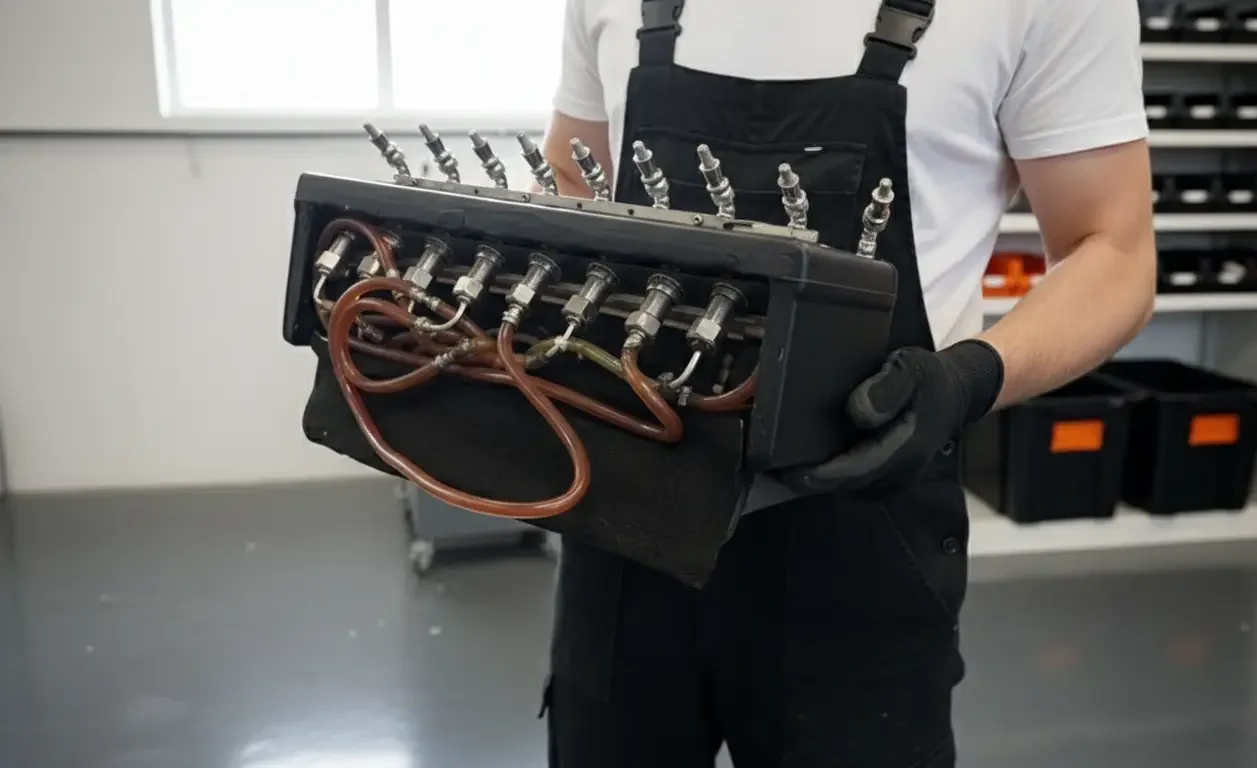
Industry standards are clear: beer lines should be cleaned at least every two weeks. This guideline is supported by the Brewers Association and major breweries. More frequent cleaning may be necessary for systems serving unpasteurized beer, high-sugar styles, or long-draw installations.
Operators sometimes stretch intervals to save money, but doing so increases the likelihood of contamination and waste. Routine scheduling ensures consistency, compliance, and peace of mind.
What Is the Typical Cost of Professional Beer Line Cleaning?
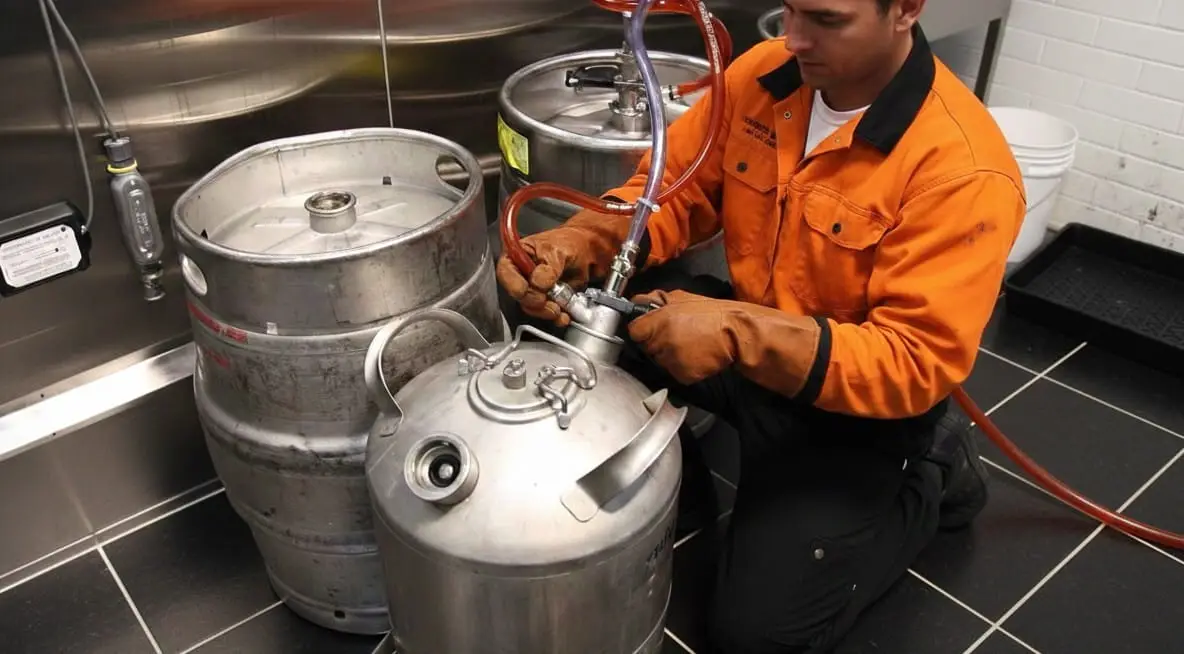
Costs vary depending on system size, number of lines, and service frequency. Most professional services charge per line or per system, with discounts often available for recurring maintenance plans.
When viewed in isolation, cleaning may seem like an expense. When compared to wasted beer, failed inspections, lost customers, and long-term reputation damage, it remains one of the highest-ROI investments a bar or restaurant can make.
For accurate pricing and service recommendations, Beer Line Cleaning USA can assess draft systems and provide clear, location-specific estimates.
Is It Possible to Clean Beer Lines Using Only Water?
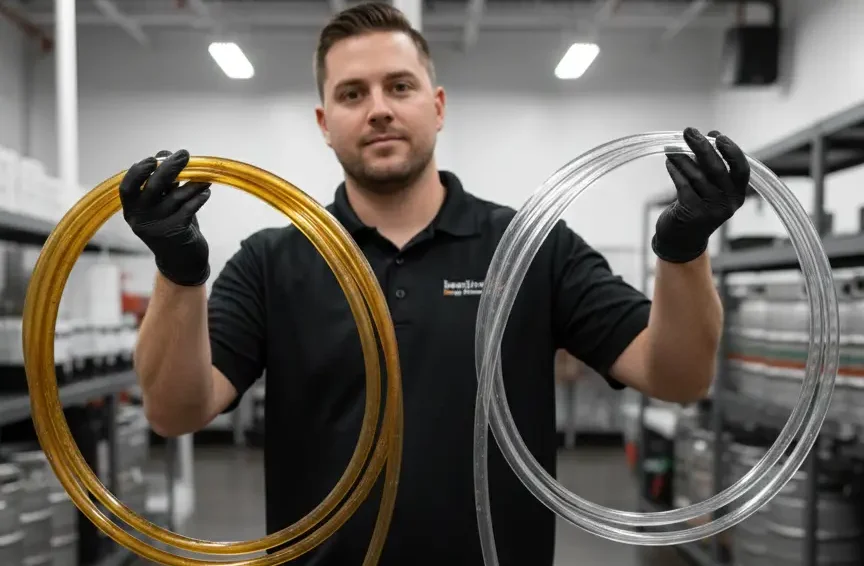
No. Water alone cannot remove biofilm or beer stone. While rinsing may flush loose residue, it leaves behind the microbial layers that cause contamination. Proper cleaning requires specialized chemicals, correct contact time, and mechanical recirculation.
Many operators search online for how to clean beer lines and attempt DIY methods. Unfortunately, without the right tools and training, these efforts often provide a false sense of security.
Understanding how to clean beer lines correctly means recognizing when professional intervention is required. Shortcuts increase risk, not savings.
Professional Beer Line Cleaning vs. DIY Attempts
DIY cleaning often falls short for a few common reasons: incorrect chemical concentrations, insufficient circulation time, and missed components like faucets, couplers, FOB detectors, and connectors.
Professional technicians are trained to clean the entire draft system—not just the visible parts. They also understand how beer behaves under pressure, carbonation, and temperature, which are critical factors for draft integrity and consistent pour quality.
For operators asking how to clean beer lines, the most reliable answer is consistent processes and proven expertise—professional service helps ensure the job is done right every time.
Category | DIY attempts | Professional beer line cleaning |
Cleaning effectiveness | Often inconsistent; biofilm and beer stone may remain | Designed to fully remove buildup, biofilm, and residue |
Chemical accuracy | Risk of incorrect dilution or incompatible products | Correct chemicals and concentrations used consistently |
Contact time & circulation | Often rushed; limited recirculation | Proper circulation and dwell time to meet best practices |
System coverage | Commonly misses hidden points and components | Cleans lines plus key components (faucets, couplers, FOBs) |
Pour performance | Foam and slow-pour issues may persist | Improves flow, reduces foam, stabilizes pours |
Compliance support | Typically no records or proof of service | Service documentation available for audits/inspections |
Equipment protection | Higher risk of damage from misuse | Helps reduce wear caused by buildup and improper handling |
Long-term cost | Appears cheaper upfront; higher waste/repairs over time | Predictable maintenance cost; reduces waste and service issues |
Frequently Asked Questions
Does beer line cleanliness impact staff training and performance?
Inconsistent draft systems make it harder for staff to pour beer correctly. New employees may struggle to learn proper technique when foam and flow are unpredictable. This can slow service and create frustration behind the bar.
Are certain beer styles more affected by dirty lines than others?
Some styles are more sensitive to contamination than others. Lighter beers and hop-forward styles reveal off-flavors quickly because there is less room to mask flaws. Unfiltered or higher-sugar beers can also contribute to faster buildup inside lines.
Is beer carbonated by default, or is carbonation added later?
Yes, beer is carbonated because carbonation happens naturally during fermentation when yeast produces carbon dioxide. In many cases, brewers may also adjust carbonation levels before packaging or serving to achieve the desired mouthfeel. When draft systems are not properly maintained, customers may question if beer is carbonated correctly even though the issue is usually dispensing-related.
Does beer have alcohol even if it tastes light or watery?
Yes, does beer have alcohol is often asked when flavor seems weak, but beer always contains alcohol unless labeled non-alcoholic. Alcohol is created during fermentation as yeast converts sugars into ethanol and carbon dioxide. Clean draft systems help ensure guests never question “does beer have alcohol” based on taste alone.
What affects the shelf life of beer when it’s served on draft?
The shelf life of beer depends on storage temperature, oxygen exposure, and cleanliness of the draft system. Even fresh beer can taste old if contaminated lines shorten the perceived shelf life of beer before it reaches the glass.
Schedule Reliable Draft System Maintenance Today!
Consistent, professional beer line service protects product quality, safeguards health compliance, and supports long-term profitability for bars and restaurants throughout Putnam County. Beer Line Cleaning USA delivers dependable, industry-standard service designed to prevent off-flavors, excessive foam, and costly product loss. With routine maintenance from a trusted provider, draft systems in Putnam County remain clean, efficient, and inspection-ready. Businesses across Putnam County rely on Beer Line Cleaning USA to maintain clean lines, protect their reputation, and serve beer as intended.
Contact Beer Line Cleaning USA today to schedule professional service and keep draft systems performing at their best.